Waterless Dog Shampoo: Does It Actually Work?
Waterless dog shampoo can be a game-changer between baths, but only if you know how to use it and what to look for on the label. Here's the full breakdown from our Gachibowli team.
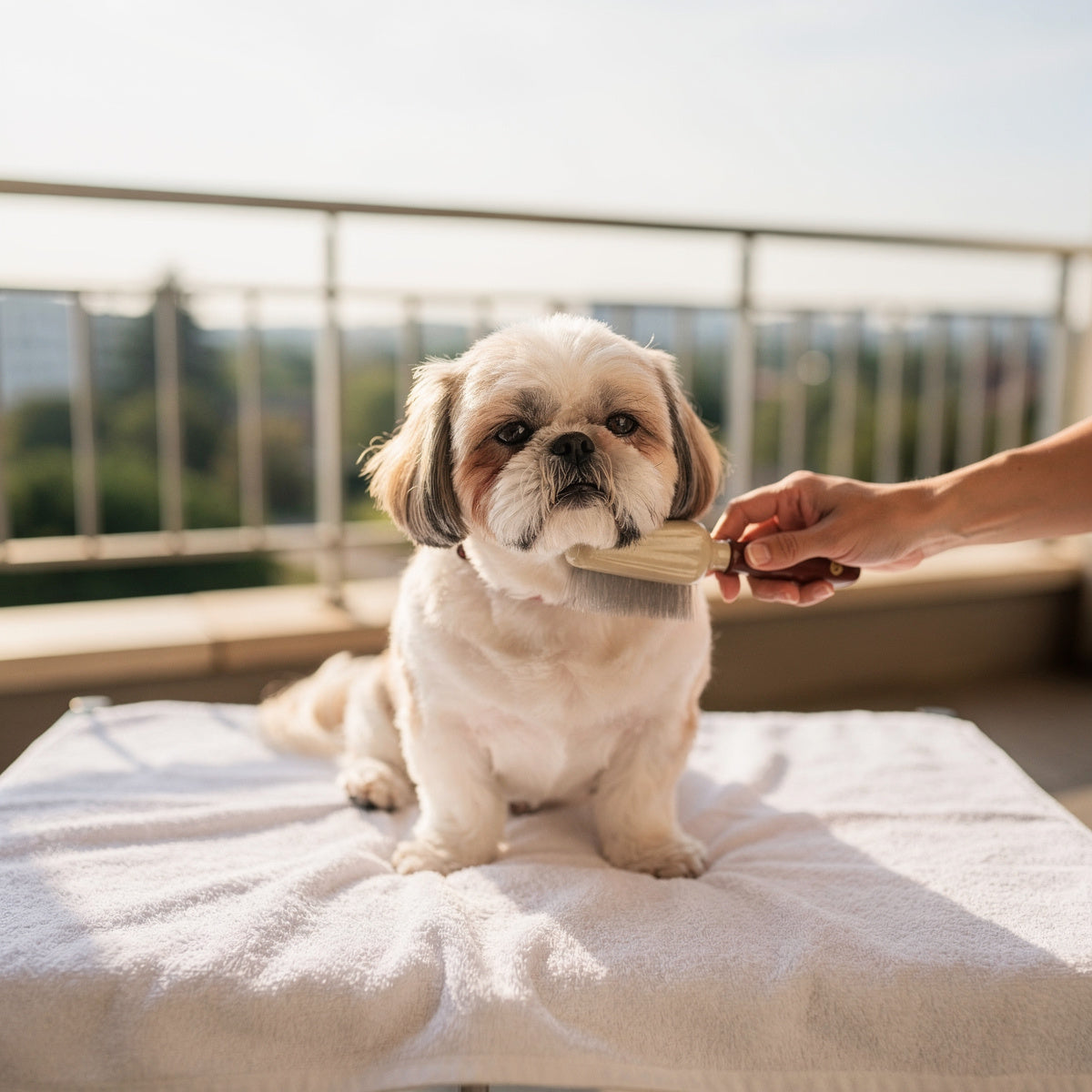
Not every dog tolerates bath time. Some bolt the moment they hear the tap running. Others go completely stiff and refuse to move. And then there are the ones who somehow always manage to roll in something questionable the day after a full bath. We see all types here at Cuddle Paws in Gachibowli, and the question we get asked more than almost anything grooming-related is: can I just use a waterless shampoo instead?
The honest answer is: yes, but it depends on what you're expecting it to do. Waterless dog shampoo is genuinely useful, but it's not a replacement for a proper bath. Think of it more like a reset button between washes. Here's everything you actually need to know.
What exactly is waterless dog shampoo?
It's a grooming product designed to clean your dog's coat without water, rinsing, or any of the usual bath-time setup. You'll find it in three main forms: spray, foam, and powder. Each works slightly differently, but the goal is the same: lift dirt, absorb oil, neutralize odor, and leave the coat looking and smelling better.
Sprays are the most popular and easiest to use on short to medium coats. Foams work well on thicker or longer coats because they spread more evenly. Powders are the oldest format and are still decent for oil absorption, but they can leave residue if you don't brush thoroughly afterward — especially on dark-coated dogs. Worth keeping in mind.
How does it clean without water?
This is where people get skeptical, and fairly so. The cleaning happens through a combination of surfactants and absorbent agents. Surfactants are compounds that attach to both water and oil simultaneously — they essentially loosen dirt and grease from the hair shaft so it can be lifted away when you massage and brush the product through the coat. No rinsing needed because you're physically removing the loosened debris with a towel or brush rather than washing it off.
The absorbent ingredients (usually plant-based starches like tapioca or cornstarch) pull excess oil and moisture from the fur, which is why even a quick spray-and-brush can make a greasy coat look noticeably fresher. Most formulas also include conditioning agents to stop the coat from drying out — because surfactants without conditioning would just leave the fur rough and brittle.
Some products include fragrance, others use enzyme-based ingredients that actually break down odor-causing bacteria rather than just masking the smell. If your dog has a strong natural odor or has rolled in something genuinely bad, enzyme-based is the way to go.
Is waterless dog shampoo safe?
Generally, yes — provided you're reading the label before you buy. The market has plenty of solid options, but there are also products with ingredient lists that should give you pause. Things to avoid: sulfates, artificial parabens, artificial colors, and anything with long chemical names you'd need a chemistry degree to decode. A shorter, cleaner ingredient list is almost always better.
We had a customer last month with a 2-year-old Beagle who'd been using a spray from a random online seller. The dog was scratching constantly around the neck and back — exactly where the shampoo had been applied. They switched to a gentler, plant-based formula and the scratching stopped within a week. Coincidence? Possibly. But when your dog is reacting to something, the newest product in the routine is usually the first place to look.
For dogs with sensitive skin, look specifically for fragrance-free or hypoallergenic labels. Indian breeds like INDogs and Rajapalayams tend to have tougher skin, but mixed breeds and imported breeds like Shih Tzus or Maltese can be surprisingly reactive. If you're not sure, test a small patch on the inner thigh or behind the ear and wait 24 hours before doing a full application.
Puppies under 8 weeks should not be using any shampoo — waterless or otherwise — without a vet's input. For puppies between 8 weeks and 6 months, pick something specifically labeled for puppies. Their skin pH is different from adult dogs and many standard formulas are simply too strong for them.
When should you actually use it?
Hyderabad's climate creates some very specific situations where waterless shampoo earns its place. The summer heat means dogs sweat more around skin folds and the underbelly. A quick spray mid-week can prevent that sour smell from building up between baths. During the monsoon, dogs who go out for walks often come back with wet, muddy paws and legs — and bathing daily in that weather isn't realistic or good for their skin. A waterless spray to freshen up the coat after toweling off the mud is a perfectly reasonable solution.
It's also extremely useful for post-surgery or post-illness care. If your dog has stitches, a wound, or is recovering from something and can't get wet, waterless shampoo lets you keep them clean without disturbing the healing process. Same goes for senior dogs with arthritis or joint pain who find the standing-in-the-tub experience genuinely uncomfortable.
That said, waterless shampoo doesn't replace a proper bath. It can't fully strip product buildup, it won't address deep coat issues, and it won't help if your dog actually needs a medicated shampoo for a skin condition. For thorough cleaning, you still need water. At our grooming services at Cuddle Paws, we recommend using waterless shampoo no more than twice between full baths — after that, residue can start to accumulate and cause more irritation than it prevents.
How to use it properly
Step one: brush the coat first. This removes loose hair and surface debris, so the shampoo can actually reach the coat rather than sitting on top of a layer of shed fur.
Step two: apply the product in sections. For a spray, hold the bottle about 15 to 20 cm from the coat and mist evenly, working from neck to tail. For foam, dispense a small amount onto your hand and work it through the coat section by section. Don't drench the coat — a light, even application is more effective than dumping a lot on in one spot.
Step three: massage it in. Use your fingers to work the product down toward the skin, especially on thicker-coated breeds. This is where the surfactants do their job.
Step four: brush through. This is the step people skip, and it makes a significant difference. Brushing after application removes the loosened dirt and distributes the product evenly. For powder formulas, this step is not optional — leftover powder in a dark coat is immediately visible.
Step five: let it dry. Most formulas dry within a few minutes. You can use a soft towel to gently pat the coat if needed, but air drying is usually fine.
Avoid the eye area, inside the ears, and any open wounds. If your dog tries to lick the product, distract them until it dries — most are non-toxic once dry, but ingesting large amounts of any grooming product is never a good idea.
What to look for when buying one
Honestly, the most important thing is the ingredient list. Natural, plant-based surfactants like decyl glucoside are gentle and effective. Aloe vera and oat extract are excellent for soothing sensitive skin. Vitamin E is a good sign for coat health. If the first few ingredients are all words you don't recognize, that's a flag.
You also want to consider your dog's coat type. Short, smooth coats like on a Labrador or Doberman respond well to sprays. Double-coated or long-haired breeds like Golden Retrievers, Huskies, or Shih Tzus generally need a foam that can penetrate more deeply. Curly or woolly coats, like on a Poodle mix, benefit from extra conditioning in the formula to prevent tangling after application.
Check out our range of dog products where we stock a curated selection of grooming essentials we've actually tested and recommend. We don't put something on our shelves if we wouldn't use it on our own store dogs.
A quick note on Hyderabad's specific conditions
Tick and flea exposure is a real concern here year-round, but especially from June through September. Waterless shampoo will not treat or prevent ticks and fleas — that requires proper anti-parasitic treatment. Don't make the mistake of thinking a freshen-up spray is doing the work of a flea treatment. If you're seeing ticks on your dog, talk to a vet about the right prevention protocol for your dog's size and lifestyle.
Also, Hyderabad's humidity means coats stay damp longer after any product application. Give the coat adequate time to dry before putting a harness or collar back on, especially around the neck and chest where moisture can sit against the skin and cause irritation. Speaking of which, if you're walking your dog post-groom, a well-fitted harness that isn't rubbing against freshly treated skin is worth getting right.
Frequently asked questions
Can I use waterless shampoo on my dog every day?
We'd recommend against it. Daily use of any shampoo — waterless or otherwise — can strip the coat's natural oils over time and dry out the skin. Two to three times between full baths is a reasonable limit. If you feel like your dog needs daily freshening, that's often a sign that the underlying bathing schedule or diet needs a look.
My dog is a Labrador and absolutely hates water. Can waterless shampoo replace baths entirely?
Not really, no. Labs in particular have a dense double coat that genuinely needs a full wash to stay clean at the skin level. Waterless shampoo helps between baths, but it can't reach the undercoat the way water and a proper rinse-out shampoo can. If your Lab is genuinely phobic of water, that's a behavioural conditioning issue worth working on gradually — or you could bring them in to our grooming team, who handle anxious dogs regularly.
Is the foam or spray format better for Indian summers?
Sprays tend to be more practical in hot weather because they feel light and cool on the coat, and they dry faster. Foams are slightly richer, which is great for dry, winter-affected coats but can feel heavy when it's already humid. For Hyderabad summers, a spray with aloe or cucumber-based ingredients is genuinely refreshing for the dog and makes the experience more pleasant for both of you.
Can I use waterless dog shampoo on my cat?
Some products are formulated for both dogs and cats, but never assume — always check the label. Cats are significantly more sensitive to many ingredients, especially certain essential oils like tea tree, eucalyptus, and lavender that are commonly found in dog grooming products. A product that's safe for dogs can be toxic to cats. We carry cat-specific grooming options in our cat products collection if you have a multi-pet household.