
How to Take Care of a Rabbit: A Complete Owner's Guide
Rabbits are smarter, more demanding, and more rewarding than most people expect. Here is everything you need to know about caring for a pet rabbit in India, from daily diet to Hyderabad summer heat management.
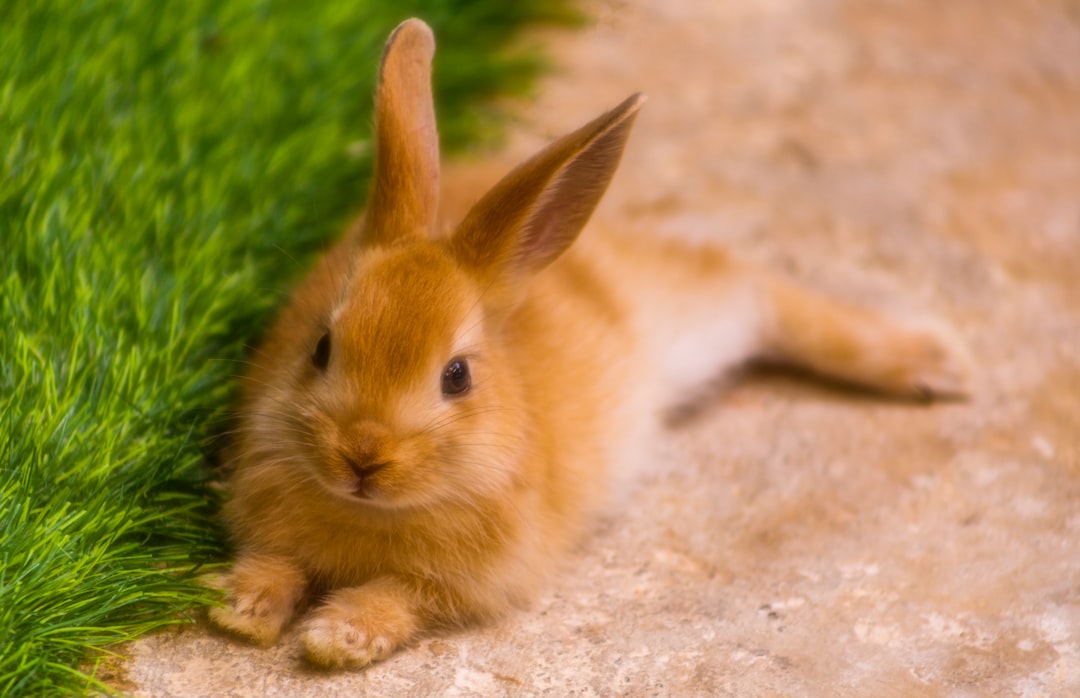
Rabbits look easy. Fluffy, quiet, small — how complicated could they be? Then you actually bring one home and realize they have strong opinions about their food, their space, their schedule, and whether or not they like you today. We say this with affection. Rabbits are genuinely wonderful pets, but they need more thoughtful care than most first-time owners expect.
Rabbits suit apartment life, but only if you set things up right from the start. This guide covers everything: diet, housing, grooming, health, and the kind of enrichment that keeps a rabbit mentally sharp.
This article is general information, not veterinary advice. If your pet is unwell, please see a vet.
What do I need before bringing a rabbit home?
Before your rabbit arrives, get the basics sorted. Running around on day one trying to find hay or a water bowl is stressful for both of you. Here is what you actually need:
A spacious enclosure — more on sizing below. High-quality timothy hay, since that is the foundation of their diet. Fresh vegetables for daily rotation. A small amount of age-appropriate pellets. A heavy ceramic water bowl or bottle. A litter box with rabbit-safe paper or wood pellet litter (avoid clay-based cat litter entirely). Soft, absorbent bedding. Chew toys, because their teeth never stop growing. A brush and nail clippers sized for small animals. Hideouts — rabbits are prey animals and they need a space where they feel covered and safe.
You can browse our full range of supplies on the Rabbit Products page — we stock most of the essentials you will need.
What should rabbits eat every day?
Diet is where rabbit care goes wrong most often. People assume rabbits live on carrots and pellets. They do not. Or rather, they should not.
Hay is the single most important thing in a rabbit's diet. It should make up around 70 to 80 percent of what they eat daily. Timothy hay is the standard recommendation for adult rabbits — it provides the fiber their gut needs to keep moving, and the chewing action naturally wears down their constantly growing teeth. Orchard grass hay is a good alternative if your rabbit turns their nose up at timothy.
Fresh leafy greens come next. Aim for about one to two packed cups per day for an average-sized rabbit. Good options include romaine lettuce, cilantro, parsley, mint, and curry leaves in small amounts. Avoid iceberg lettuce — it is mostly water and causes digestive upset. Spinach is fine occasionally but not daily due to high oxalate content. Introduce any new vegetable slowly, one at a time, and watch for soft stools.
Pellets should be a small supplement, not a meal. About a quarter cup per day for a medium-sized rabbit is sufficient. Look for plain, high-fiber pellets without seeds, dried fruit, or coloured bits mixed in — those are marketing, not nutrition.
Fruits like apple slices or papaya can be offered as occasional treats, once or twice a week in small pieces. High sugar content makes them a treat, not a staple. And always make sure fresh water is available around the clock — rabbits dehydrate faster than people realize, especially during Hyderabad summers when temperatures climb well above 35°C.
How much space does a pet rabbit actually need?
The small cage sold in many pet shops is almost never big enough. A rabbit needs space to stretch fully, stand on hind legs, and take several hops in a row. As a general rule, the enclosure should be at least four times the rabbit's body length. For most medium breeds, that means a minimum of 120 x 60 cm floor space.
An exercise pen is honestly a better option than a traditional cage for apartment living — they give more floor space and can be expanded. If your home allows it, a rabbit-proofed room or area where your rabbit roams freely during the day (under supervision) is even better. Rabbits that spend most of their time in a small cage tend to become stressed, destructive, or lethargic.
One important note for Hyderabad households: keep the enclosure away from direct afternoon sun and ensure the area stays well-ventilated. Rabbits cannot handle heat well at all. Temperatures above 30°C put them at real risk of heat stroke. Air conditioning, fans, or frozen water bottles placed near — not inside — the enclosure during hot months can help significantly.
How do you litter train a rabbit?
Better than most dogs, honestly. Rabbits naturally prefer to eliminate in one spot, which makes litter training surprisingly straightforward. Place a litter box in the corner of the enclosure where your rabbit has already started going — they usually choose a corner on their own. Fill it with paper-based or wood pellet litter and put a handful of hay on top or right next to it, since rabbits tend to eat while they sit in the litter box.
Clean the litter box every two to three days. A dirty box is the main reason rabbits stop using it. The enclosure floor should be spot-cleaned daily and fully replaced weekly. If you notice your rabbit starting to go outside the box, go back to basics: smaller space temporarily, more hay in the box, and consistent cleaning.
Do rabbits need grooming?
Yes, and more than most people expect. Short-haired breeds like Dutch or Rex rabbits need brushing once a week. Long-haired breeds like Angoras need daily brushing — matted fur is painful and can cause skin infections. Shedding seasons (twice a year) are heavier for all rabbits, and during those periods you will want to brush more frequently to prevent your rabbit from ingesting too much fur during self-grooming.
Nail trimming is needed every four to six weeks. Long nails catch on fabric, cause discomfort, and can eventually affect the way a rabbit walks. If you are not confident trimming them yourself, ask a vet who knows rabbits to show you how the first time.
Do not bathe your rabbit in water. This is important. Rabbits are extremely efficient self-groomers, and a wet rabbit is a stressed rabbit — the shock can actually be fatal in some cases. Spot-cleaning with a damp cloth works for localized mess. Dry bath powder designed for small animals is available if needed.
How do you keep a rabbit mentally stimulated?
A bored rabbit chews things they should not, thumps constantly, or becomes withdrawn. Exercise and enrichment are not optional extras — they are part of basic care.
Rabbits need a minimum of three to four hours of exercise outside their enclosure every day. During free-roam time, hide treats in cardboard boxes, rearrange tunnels, or rotate toys to keep things interesting. Rabbits enjoy digging, so a box filled with shredded paper or hay gives them somewhere appropriate to do it. Willow balls, wooden chew rings, and cardboard tubes are simple but genuinely effective.
Rabbits are also social animals. A solo rabbit who gets limited human interaction can become anxious or depressed. Spend time on the floor at their level — rabbits feel safer when you are not looming over them. Let them approach you on their terms, especially in the first few weeks.
What health issues do rabbits commonly face in India?
A common problem in rabbits is GI stasis — a condition where the digestive system slows or stops. It is life-threatening and moves fast. Signs include a rabbit that stops eating, stops producing droppings, or sits hunched and refuses to move. If you see this, do not wait. Get to a vet the same day. The fix is usually pain relief, fluid support, and gut motility medication, but time matters enormously.
Dental problems are also common. Because rabbit teeth grow continuously, a diet low in hay leads to misalignment and painful spurs. This is why hay quantity is non-negotiable.
Ear mites, flystrike (especially during monsoon when flies are aggressive), and snuffles — a respiratory infection caused by Pasteurella bacteria — are also worth knowing about. Flystrike is particularly relevant in Hyderabad. During June through September, check your rabbit's rear end daily for fly eggs, especially if they have any discharge or soft droppings causing soiling.
Annual vet checkups are the minimum. Rabbits hide illness very well — by the time obvious symptoms appear, a problem is often already serious. See a vet who knows rabbits if you need a consultation or routine health check for your rabbit.
Should you get one rabbit or two?
Two is usually better, provided they are properly bonded. Rabbits are naturally social and a companion rabbit reduces stress, boredom, and health problems associated with loneliness. The most stable pair is a neutered male and a spayed female. Two unneutered males together almost always end up fighting. Two females can work but are less predictable.
Bonding takes time — sometimes weeks of gradual, supervised introductions in neutral territory. Do not just put two rabbits together in one space and hope for the best. Go slowly, watch body language, and be patient.
If you already have other small animals at home and are thinking about adding a rabbit, check out our range of supplies for hamsters and guinea pigs too — some enrichment items and feeding accessories cross over well between species.
FAQs About Rabbit Care in India
Can rabbits survive the Hyderabad summer?
They can, but it requires active management. Keep them indoors in air-conditioned or well-ventilated spaces during peak afternoon heat. Anything above 30°C is uncomfortable; above 35°C is dangerous. Frozen water bottles wrapped in a towel placed near the enclosure give them something cool to lean against. Never leave a rabbit in direct sunlight or a closed room during summer.
Is it okay to feed a rabbit roti or rice?
No. Cooked carbohydrates like roti, rice, or bread cause rapid fermentation in the rabbit's gut and can trigger GI stasis or bloat. This is a common mistake in Indian households where sharing human food feels natural. Stick to hay, leafy greens, and rabbit-specific pellets.
How long do pet rabbits live?
With proper care, most domestic rabbits live 8 to 12 years. Smaller breeds like Netherland Dwarfs sometimes reach 12 or beyond. The biggest factors affecting lifespan are diet quality, stress levels, regular vet care, and whether they have been spayed or neutered — which significantly reduces the risk of reproductive cancers.
Do rabbits need vaccinations in India?
Ask a vet who knows rabbits which vaccinations are available and advised where you live. Annual vet visits remain important for dental checks, parasite control, and catching early signs of illness. Ask your vet about what preventive care is available and recommended in your area.
This article is general information, not veterinary advice. If your pet is unwell, please see a vet.