Dog Hygiene Essentials: Keep Your Pet Clean and Healthy
Hyderabad's heat, dust, and monsoon humidity make dog hygiene more demanding than most pet parents expect. Here's a practical routine covering everything from bathing and brushing to dental care and ear cleaning.
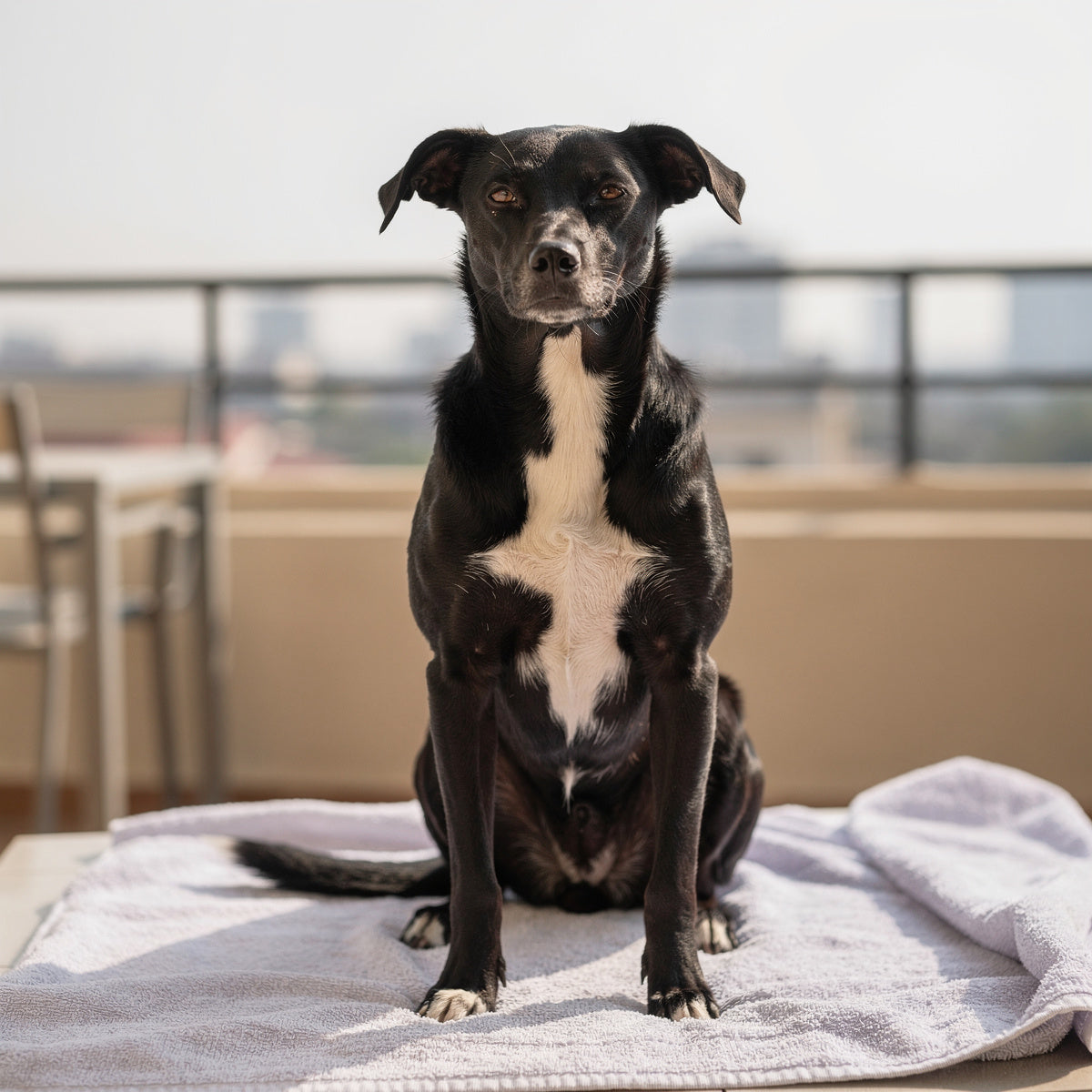
A dog that smells fine, has a clean coat, and isn't constantly scratching is a genuinely happy dog. But here in Hyderabad — with our heat, dust, and a monsoon season that leaves everything damp for weeks — keeping a dog clean takes a little more thought than just an occasional bath. Dog hygiene essentials aren't just about looks. Skipping regular grooming routines leads to skin infections, ear problems, dental disease, and a dog who's uncomfortable in ways they can't tell you about.
We work with dogs every single day at our store in Gachibowli, and the most common thing we see in new pet parents is that they focus heavily on feeding and training but underestimate the hygiene side. This guide covers every part of a proper dog hygiene routine — bathing, coat care, dental health, ears, nails, paws, and eyes. We'll keep it practical and specific, because vague advice isn't useful when you're actually standing in your bathroom with a wet Labrador.
How Often Should You Bathe Your Dog in India?
This question comes up constantly, and the honest answer is: it depends on your dog's coat, activity level, and skin condition. A Golden Retriever who plays outside twice a day in Gachibowli's dust needs a bath more often than a small indoor Shih Tzu. In general, most dogs do well with a bath every two to four weeks. More than that, and you risk stripping the natural oils from their skin, which leads to dryness and flaking. Less than that in our climate, and you start dealing with bacteria buildup, especially in skin folds.
Water temperature matters more than people think. Lukewarm is the goal. Hyderabad summers are brutal, and pet parents sometimes assume their dog wants a cool bath — but too cold is uncomfortable and can cause muscle stiffness in older dogs. Too hot is obviously a problem. If the water feels comfortable on your wrist, it's probably fine for your dog.
Always brush your dog before a bath to remove loose hair and break up any tangles. Trying to wash a matted coat just makes the matting worse. Use a shampoo formulated for dogs — human shampoos have a different pH and will irritate their skin over time. If your dog has a skin condition, ask us or your vet before choosing a product. We've seen a fair number of cases at our grooming service where the issue was traced back to a human shampoo being used for months. Rinse thoroughly. Leftover shampoo residue is a surprisingly common cause of itchiness, and dogs can't tell you that's what's bothering them.
Brushing Your Dog's Coat: What Most People Get Wrong
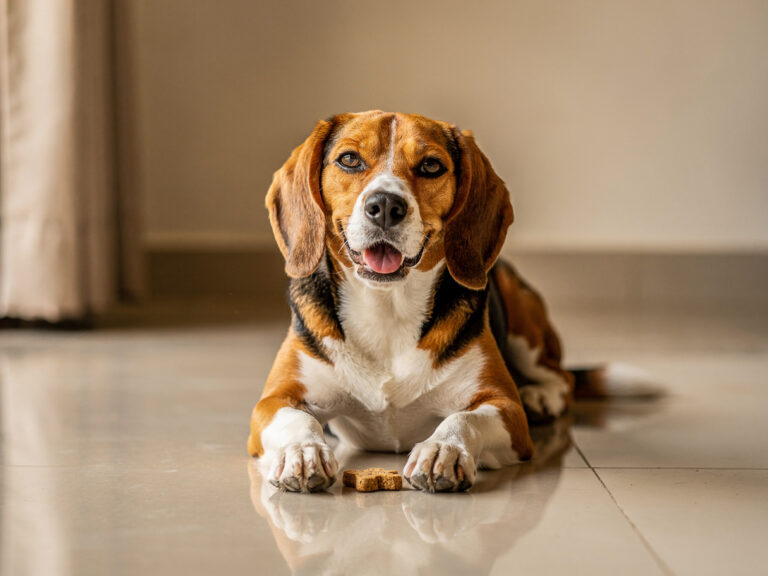
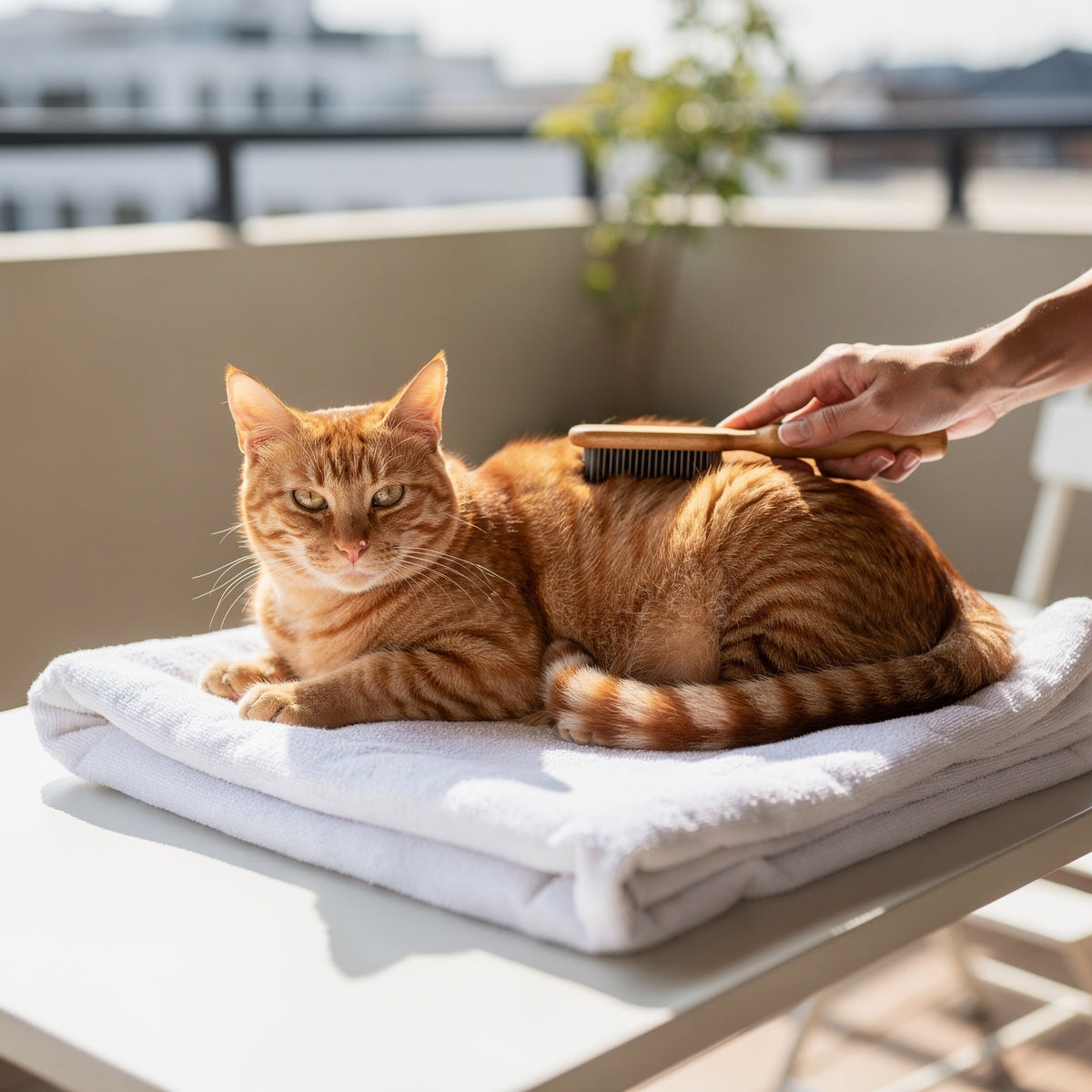
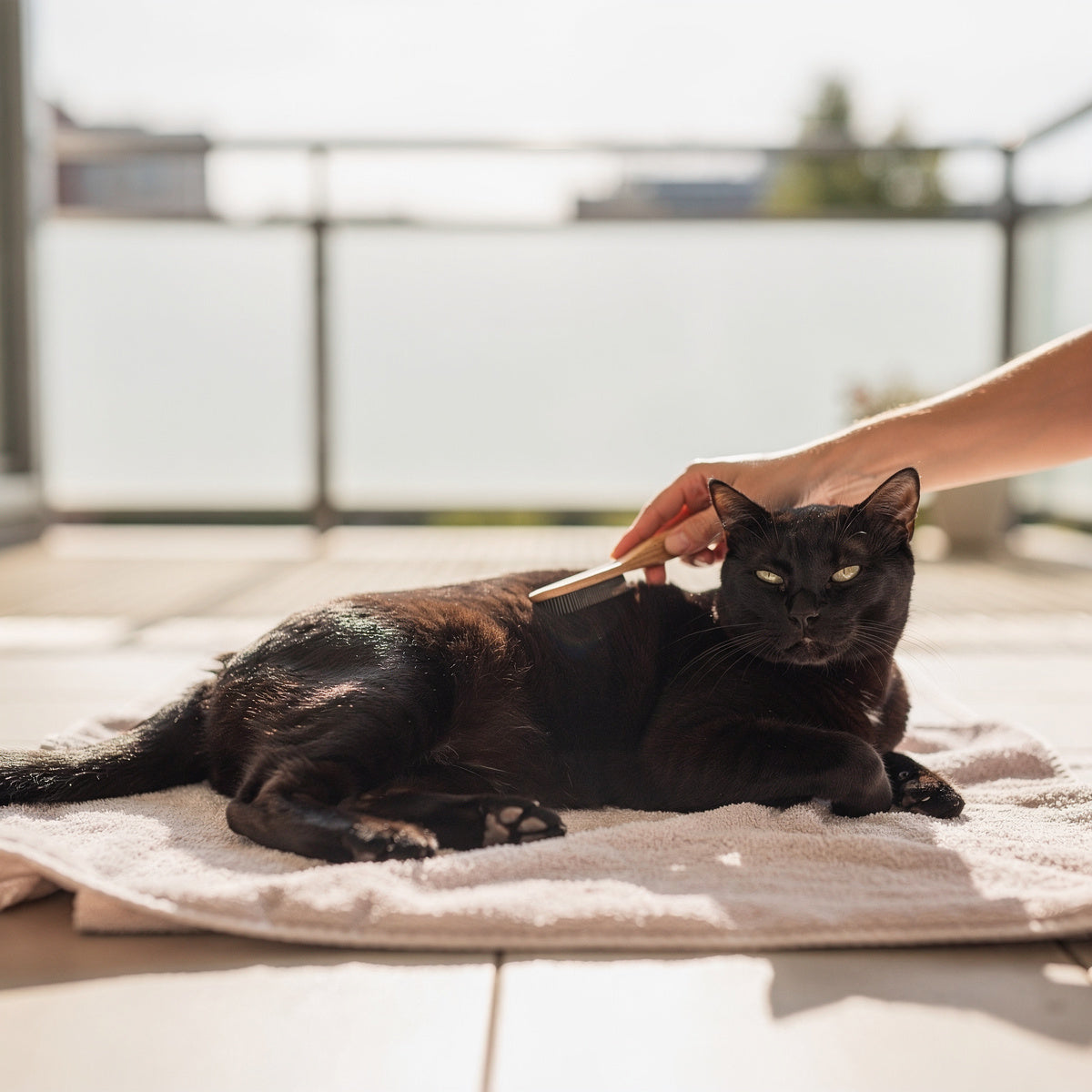
Most pet parents brush their dog occasionally and call it done. What actually makes a difference is brushing regularly enough that it becomes unremarkable to the dog — just a normal part of the day. For heavy shedders like Labs, Huskies (yes, people do keep them here, though we'd argue it's a bit unfair to the dog), and Golden Retrievers, daily brushing during shedding seasons keeps the hair off your sofa and off your guests. For shorter-coated breeds like Beagles or Indie dogs, two to three times a week is plenty.
The right brush matters. A rubber curry brush works well on short coats and most Indie dogs love the massage feeling. A slicker brush is what you want for longer coats. A de-matting comb is worth keeping around if your dog has medium-to-long fur around the ears, armpits, or hindquarters — those areas mat faster than anywhere else.
While you're brushing, actually look at the skin. This is when you'll catch early signs of ticks, flea dirt, lumps, or irritated patches. We had a customer a few months ago — her 4-year-old Cocker Spaniel had a small skin infection under the ear that had been there for at least a week before she noticed, simply because that area was never properly checked during grooming. Regular brushing and close inspection together catch problems early.
Dog Dental Care: The Hygiene Habit Most Owners Skip
Let's be direct: most Indian pet parents don't brush their dog's teeth, and it shows. By age three, a large percentage of dogs have some degree of periodontal disease. It doesn't just cause bad breath — it causes real pain, difficulty eating, and in severe cases, bacteria entering the bloodstream and affecting organs. Dental hygiene is not optional.
Start with a dog-specific toothbrush and toothpaste. Never use human toothpaste; fluoride is toxic to dogs. Poultry or malt flavored toothpastes made for dogs are available and most dogs tolerate them reasonably well. If your dog is new to brushing, start by just letting them sniff and lick the toothpaste off your finger for a few days, then gradually introduce the brush. It takes time, but it's worth the effort. Aim for brushing three to four times a week at minimum.
Dental chews and water additives help between brushings but don't replace them. Think of dental chews the way you'd think of chewing gum — better than nothing, not a substitute for actual brushing.
Ear Cleaning: Especially Important in Humid Climates
Hyderabad's humidity is a genuine problem for dog ears. Floppy-eared breeds like Beagles, Cocker Spaniels, Dachshunds, and Basset Hounds are particularly prone to ear infections here because their ear flaps trap moisture and create a warm, dark environment that bacteria and yeast love. We see an uptick in ear infection cases every monsoon season, without fail.
Check your dog's ears weekly. A healthy ear smells neutral and looks light pink inside. If it smells sour or yeasty, looks red, or your dog is shaking their head or scratching at an ear, something is off and you should see a vet rather than try to treat it at home. For routine maintenance, use a vet-approved ear cleaning solution and cotton balls. Never push cotton swabs into the ear canal — you can cause damage and push debris further in. Apply the cleaner, massage the base of the ear for about 30 seconds, then let your dog shake. Wipe away what comes out.
Nail Trimming and Paw Care
Overgrown nails change the way a dog walks. When nails are too long, they push against the ground and force the foot into an unnatural position, which over time puts stress on joints. For apartment dogs in Gachibowli who aren't walking on rough outdoor surfaces to naturally wear down their nails, trimming every three to four weeks is usually necessary.
If your dog is anxious about nail trimming — and many are — desensitize slowly. Handle the paws regularly without trimming, reward calmly, and work up to it. If you're genuinely nervous about cutting the quick (the blood vessel inside the nail), our grooming team handles nail trims as part of our grooming sessions and can also show you the technique in person.
Paw pads also need attention. In summer, Hyderabad's roads and parking lots get extremely hot — hot enough to burn paw pads on a midday walk. Walk your dog in the early morning or after sunset. If your dog licks their paws frequently, check between the toes for redness, grass seeds, or small cuts. A good paw balm applied a couple of times a week keeps pads from cracking, especially in dry weather. Check out our full range of dog care products if you need paw balms, brushes, or grooming accessories.
Eye Care: Small Routine, Big Difference
For most dogs, eye care is simple — just wipe away any discharge in the corners with a damp, clean cloth each day. But for flat-faced breeds like Pugs, French Bulldogs, and Shih Tzus, this is a daily necessity, not an occasional task. Their facial structure means eye discharge accumulates fast and can stain the fur or cause skin irritation in the fold beneath the eye.
Any sudden change in eye appearance — cloudiness, excessive tearing, squinting, or visible redness — should go to the vet promptly. Eyes are not an area to wait and see.
Putting Together a Weekly Dog Hygiene Routine
The reason hygiene routines fall apart is that they feel overwhelming when listed all at once. In practice, a week looks something like this: daily brushing takes three minutes and can happen while you're watching something. Eye wipe-down is thirty seconds. Ear check is once a week and takes two minutes. Teeth get brushed four times a week. Nails get trimmed once a month. Full bath happens every two to four weeks, and if that feels like too much to manage at home, professional grooming is exactly what it's there for.
Small, consistent habits compound over months and years into a dog who is genuinely healthier and more comfortable. It's less dramatic than solving a problem after it develops, but that's the point.
Frequently Asked Questions
How many times a week should I brush my dog's teeth?
Ideally every day, but realistically three to four times a week makes a meaningful difference. The key is consistency over time. Use only dog-specific toothpaste — never human toothpaste, which contains fluoride and is toxic to dogs.
My dog smells bad even right after a bath. What's wrong?
Persistent odor after bathing usually signals a skin infection, ear infection, or dental disease rather than a hygiene issue. In Hyderabad's humidity, bacterial and fungal skin issues are common, especially in skin folds. If regular bathing isn't helping the smell, it's worth a vet visit to rule out an underlying cause.
How do I check my dog for ticks after a walk in Hyderabad?
Run your fingers through the coat slowly, feeling for small bumps. Pay close attention to warm, hidden areas — between the toes, inside the ears, around the collar line, in the groin and armpits, and around the tail base. Ticks are common in Hyderabad, especially in areas with grass and greenery. Check after every outdoor walk during peak season.
Is professional grooming necessary if I groom my dog at home?
Not strictly necessary, but genuinely useful every six to eight weeks. A professional groomer will do a thorough coat trim, ear cleaning, nail grind, and full brush-out that's hard to replicate fully at home — especially for longer-coated breeds. Our grooming team at Cuddle Paws also flags skin or ear concerns they notice during sessions, which gives you an extra set of experienced eyes on your dog's health.