How Long Do Hamsters Live? Lifespan by Species Explained
Hamster lifespan varies by species — Syrians live 2–3 years, dwarfs a bit less, Roborovskis the longest. Here's what actually determines how long your hamster lives, and what you can do about it.
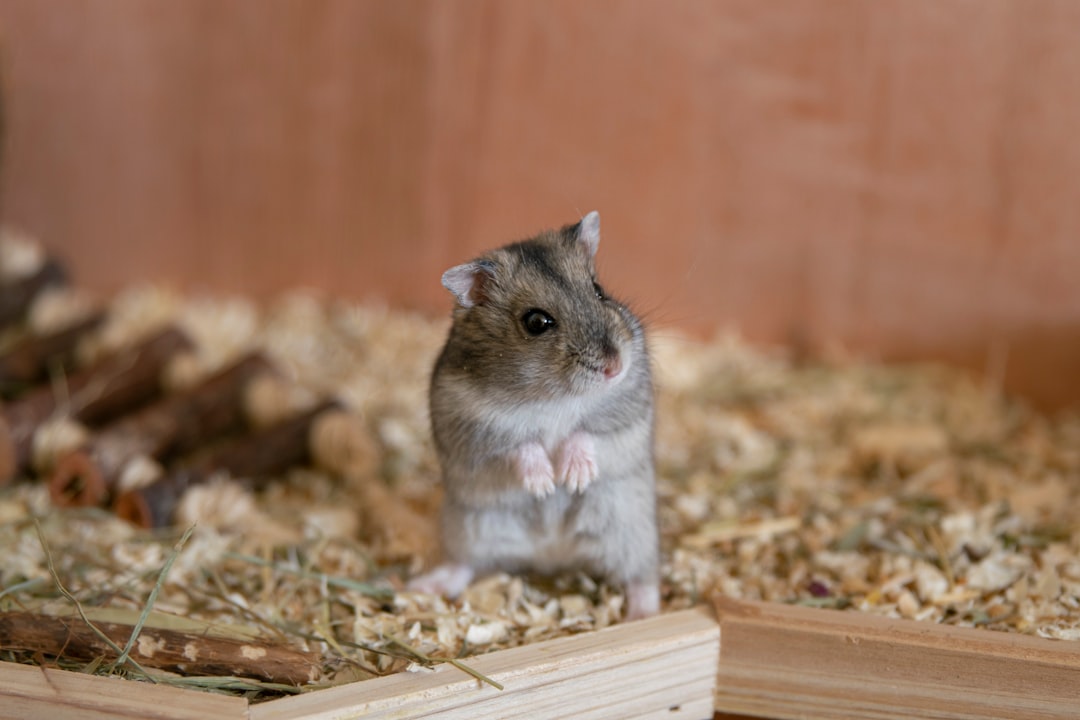
One of the first questions we get from customers looking at our hamster section is some version of: "They don't live very long, right?" And honestly, yes — hamster lifespan is short compared to dogs or cats. But short doesn't mean less meaningful, and it definitely doesn't mean there's nothing you can do about it. Whether you're shopping for your first hamster or you've had one for a year and want to make sure you're doing right by them, understanding how long hamsters actually live — and why — changes how you care for them.
The short answer: most pet hamsters live between 2 and 3 years. But that number shifts a fair bit depending on the species, the care they receive, and — this part matters more than people expect — how well their living environment matches their natural instincts. We've seen hamsters at Cuddle Paws come in for supplies at every life stage, and the ones that make it past 3 years almost always have owners who got the basics right from day one.
How Long Do Hamsters Live by Species?
Not all hamsters age the same way. There are three species you'll commonly find as pets in India, and each has a different typical lifespan. Knowing which one you have isn't just trivia — it changes what you should watch for health-wise as they get older.
Syrian Hamsters: The Most Common Pet Hamster
Syrian hamsters — sometimes called golden hamsters — are the ones most people picture when they think "hamster." They're bigger, easier to handle, and more common in Indian pet stores including ours. Their typical lifespan sits between 2 and 3 years. Once a Syrian hamster crosses the 18-month mark, you're technically dealing with a senior animal. That's not a reason to panic, but it is a reason to pay closer attention — weight changes, reduced activity, and changes in eating habits all become more relevant at that stage.
One thing that often surprises people: male Syrians generally outlive females, especially females that have been bred. If you have an unspayed female who has had litters, her body has gone through significant stress, and that does show up in lifespan data. Also, Syrians are solitary by nature. Housing two of them together — something we regularly talk people out of at the store — creates chronic stress that genuinely shortens their lives. This isn't a preference, it's biology. Keep them alone.
Russian Dwarf Hamsters: Shorter Lives, Big Personalities
Russian dwarf hamsters come in a few varieties — Campbell's, Winter White, and Djungarian (Siberian). As a group, they typically live 1.5 to 2.5 years, with some reaching 3 years under really good conditions. Winter White varieties tend toward the shorter end of that range.
If you have a Campbell's dwarf specifically, there's something important to know: they have a genetic predisposition to diabetes. This isn't rare in the species, and sugary treats — including a lot of fruit — can accelerate health problems significantly. We had a customer last year whose Campbell's dwarf was lethargic and drinking water excessively at just over a year old. The vet confirmed early-stage diabetes. The owner had been giving fruit as a daily treat thinking it was healthy. It's not the worst mistake, but it's a common one, and it matters more with this breed than others.
For dwarf hamsters in Hyderabad's climate, the heat is a real concern. These animals come from cooler, drier regions. Keeping their habitat away from direct sunlight and in a room that stays reasonably cool during summer — especially through the brutal April-May stretch in Gachibowli — makes a measurable difference to their stress levels and overall health.
Roborovski Hamsters: Small but Surprisingly Long-Lived
Roborovskis are the smallest of the three and, somewhat counterintuitively, the longest-lived. They regularly reach 3 to 3.5 years, with occasional individuals hitting 4 years. They're also the fastest and most skittish, which makes them better for observation than handling — but if longevity matters to you, they're worth considering.
Because they're so small (barely 4–5 cm), it's easy to overlook subtle signs of illness. Any change in their activity level or eating pattern deserves attention quickly — there's very little buffer with an animal this size.
What Actually Shortens a Hamster's Life?
This is where we see the biggest differences between hamsters that make it to 3 years and ones that don't reach 2. It almost always comes down to a handful of preventable factors.
Diet is the most common issue. Seed-only diets are still popular because seeds are what most people associate with hamsters, but they're nutritionally incomplete. A good hamster diet needs protein, complex carbs, and fibre — a quality pelleted mix with occasional fresh vegetables covers this far better than seeds alone. Treats should be minimal. Hamsters are small enough that even small amounts of sugary food shift their metabolic load considerably.
Cage size is underestimated. The tiny wire cages sold at many stores aren't suitable for a Syrian hamster's long-term mental health. Hamsters in the wild travel several kilometres a night. A cramped cage with no wheel, no burrowing substrate, and no enrichment creates chronic stress, and chronic stress in small animals shows up as shortened lifespans, immune problems, and repetitive behaviours like bar-chewing. Minimum cage floor space for a Syrian should be around 80cm x 50cm. Most people are surprised by that number. It's real.
Temperature matters more here than in cooler parts of India. Hyderabad summers can push room temperatures above 35°C, which is dangerous for hamsters. They don't sweat effectively, can go into heat stress quickly, and in extreme cases can enter a false hibernation state that's sometimes mistaken for death. If you're keeping a hamster in an apartment in Gachibowli without AC during peak summer, you need a plan — whether that's a cool room, a ceramic tile in the cage for them to lie on, or other measures.
Finally, handling stress and sleep disruption. Hamsters are crepuscular — most active at dawn and dusk. Waking them repeatedly during the day to play disrupts their sleep cycles and builds stress over time. This is especially relevant in households with young children. Set handling times for early evening and everyone — hamster included — is better off.
Can You Actually Extend Your Hamster's Lifespan?
Yes, within limits. You're not going to turn a 2-year animal into a 6-year animal through care alone. But the difference between a hamster that lives 18 months and one that lives 3 years is almost entirely about care quality. That's a significant gap and it's within your control.
The things that consistently make a difference: a species-appropriate diet with proper protein, a cage large enough for genuine movement and burrowing, an exercise wheel sized correctly for their species (Syrian hamsters need at least a 28cm wheel — smaller wheels cause back injuries), minimal stress from handling and noise, and temperatures that don't push into dangerous ranges.
Vet visits help too, though we know small pet veterinary care in India is still developing. If you're in Hyderabad and your hamster is showing signs of illness — weight loss, laboured breathing, wet tail, discharge from eyes or nose — early attention genuinely changes outcomes. A vet can help you assess what's going on before things progress.
On the supplies side, it's worth investing in the right setup from the start rather than upgrading later. If you're setting up a new home for your hamster, check out our hamster and small pet products — we stock cage accessories, substrate options, and feeding supplies suited to Indian conditions. Pairing good gear with good habits is honestly the whole formula.
Signs Your Hamster Is Aging
Knowing what normal aging looks like helps you distinguish between a hamster winding down naturally and one that needs medical attention. From around 18 months onward (12 months for dwarf varieties), you may notice reduced activity, some weight loss, a slightly duller coat, and less interest in the wheel. These are normal. What isn't normal at any age: significant rapid weight loss, difficulty breathing, wet or matted fur around the tail, blood in urine, persistent lethargy without any normal active periods, or lumps under the skin.
Tumours are unfortunately common in hamsters, especially females. If you feel an unusual lump during handling, get it assessed sooner rather than later. Early intervention options exist, even for small animals.
FAQs: What Indian Hamster Owners Ask Us Most
Why do hamsters have such short lifespans compared to other pets?
It's just how small mammals are built — faster metabolism, faster cellular aging. A hamster's heart beats several hundred times per minute. Everything runs faster, including the aging process. It's not a flaw in care, it's biology. What care does is help them reach the upper end of their natural range rather than the lower end.
Can hamsters survive Hyderabad summers without air conditioning?
It's difficult but manageable with precautions. Keep the cage out of direct sunlight and away from west-facing windows. Place a small ceramic tile or flat stone in the cage — hamsters will lie on it to cool down. Ensure good ventilation without direct fan airflow on the cage. If temperatures in your home regularly exceed 32–33°C, you genuinely need to find a cooler spot for them, even if that means a bathroom or interior room.
Is it normal for a hamster to sleep all day?
Yes. Hamsters sleep most of the day and become active around dusk and into the night. What you should check is whether they're active at all during their natural waking hours. A hamster that shows no activity even during evening hours, stops eating, and is limp or unresponsive may be in torpor from cold, or may be seriously ill. Both warrant immediate attention.
Should I get a second hamster to keep mine company?
For Syrian hamsters, absolutely not. They are solitary animals and will fight, sometimes fatally. Roborovskis can sometimes be kept in same-sex pairs if introduced very young, but even then it's not guaranteed to work. Dwarf hamsters fall somewhere in between. If you want multiple hamsters, separate cages are the safest answer. Loneliness is a human concept being projected onto an animal that genuinely prefers its own space.
Read next: Hamster Price in India: What It Really Costs to Own One; Hamster Care in India: A Beginner's Guide for New Owners; Guinea Pig Breeds: Which One Is Right for You?