How to Help Your Cat Recover After Illness or Surgery
Helping a cat recover from illness or surgery can feel overwhelming, especially when she is hiding and refusing to eat. Here is what actually helps, from the team at Cuddle Paws Co.
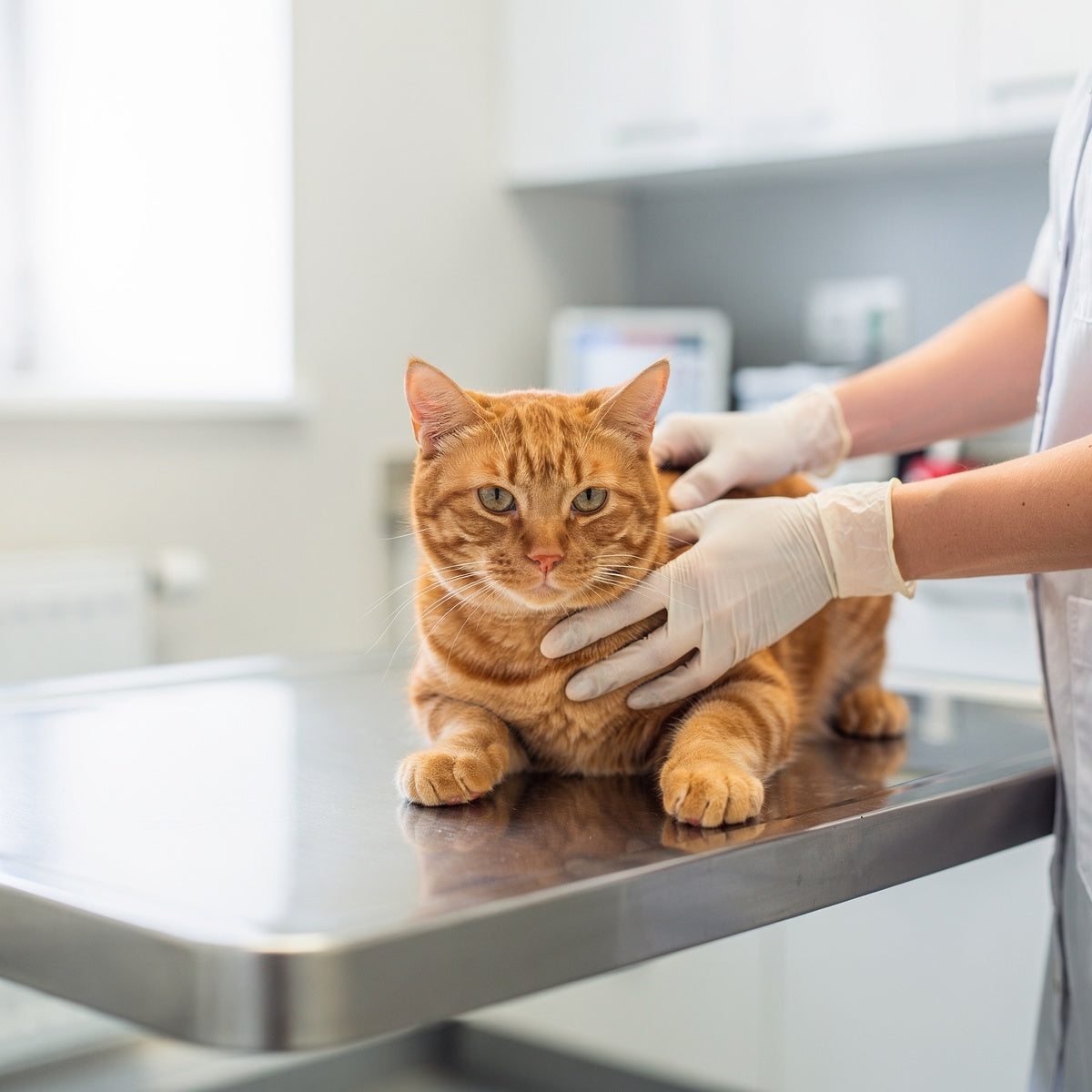
A few months ago, a customer came into the store looking exhausted. Her 4-year-old Persian, Mishti, had just been spayed and was refusing to eat, hiding under the bed, and generally making her mum feel like the worst person alive. She wanted to know what she was doing wrong. The honest answer? Nothing. Recovery in cats just looks like that sometimes. But there are things you can do to make the process shorter, smoother, and less stressful for both of you.
Cats are not small dogs. They do not bounce back on a schedule. They are dramatic about their discomfort and stoic about pain at the same time, which makes the recovery period genuinely confusing for most pet parents. Here is what we tell customers at Cuddle Paws Co when they are navigating this stage.
What should I feed my cat during recovery?
Food is where most people either help or accidentally hinder recovery. Cats are obligate carnivores, meaning their bodies are built around animal protein. When they are sick or healing from a procedure, that requirement does not go away. If anything, it becomes more important.
If your vet has prescribed a specific recovery diet, follow it. These foods are formulated for easy digestion and tissue repair. Do not substitute Royal Canin Recovery or Hills a/d with regular kibble just because your cat seems fine after two days. The full healing process takes longer than the surface symptoms suggest.
Once your cat is eating normally again and the vet gives the all-clear, transition back to their regular food gradually over about a week. Mix small amounts of the new food into the recovery food, increasing the ratio slowly. Sudden food switches in a cat that has just been through physical stress almost always end in vomiting or loose stools, and then you are back to square one.
One thing that does help: warming wet food slightly before serving. Cats are more attracted to food by smell than taste, and heating it briefly brings out the aroma. A small trick, but it can make a real difference for a cat who is reluctant to eat.
How much rest does a recovering cat actually need?
More than you think, and in the right kind of space. Cats instinctively seek out quiet, enclosed spots when they are unwell. If Mishti is hiding under the bed, she is not sulking. She is doing exactly what her body is telling her to do.
Set up a dedicated recovery area. A low-sided bed with soft bedding in a room that is not heavily trafficked works well. Avoid placing it near the washing machine, near a door that gets slammed, or anywhere with heavy foot traffic. In Hyderabad homes, the back bedroom or a quiet corner of the living room usually works. Keep other pets away from this space during the first week especially.
If you want to give your cat something genuinely comfortable to rest on, we have a good range of dog and cat beds that work well for recovery setups. Low entry, good cushioning, and easy to clean if there are any post-surgical discharge issues.
Do not force interaction during this phase. Sit near your cat. Talk softly. Let her come to you. Forcing cuddles on a cat who wants to be left alone will spike her stress hormones, and that actively slows healing.
How do I keep my cat mentally okay during recovery?
This is the part people skip, and it matters more than most people realize. Cats who are bored and confined get anxious. Anxious cats groom excessively, stop eating, or start showing stress behaviors like inappropriate elimination. None of this helps recovery.
You do not need to entertain your cat like a puppy. But some low-effort enrichment makes a real difference. A window perch near bird activity, a puzzle feeder for meal times, or even just leaving a paper bag on the floor for exploration gives her brain something to do. Keep it calm and low-stimulation, not exciting. The goal is gentle engagement, not play that gets her jumping and twisting.
Pheromone diffusers like Feliway are genuinely useful here. We recommend them regularly for anxious cats, and the recovery period is a good time to try one if you have not already. Plug it in near her recovery space a day before you bring her home from the vet if you can plan ahead.
As she improves, reintroduce short play sessions. Wand toys work well because you control the intensity. Keep sessions to 5 minutes initially. Watch for signs she is tiring or showing discomfort. A cat that stops mid-play and sits down abruptly, or starts licking a wound site more than usual, is telling you something.
When should I start worrying and call the vet?
Some things are normal. Reduced appetite for 24-48 hours after surgery. Sleeping more than usual. Being a bit wobbly from anaesthesia on day one. Mild swelling around a surgical site.
Things that are not normal and should prompt a vet call: not eating for more than 48 hours, fever (ears that feel hot and dry, or rectal temperature above 39.5°C), excessive discharge from a wound, sutures that appear to be opening, laboured breathing, or a cat that was improving and then suddenly gets worse. Our vet clinic at the Gachibowli shop is not running at the moment, so please see your own vet.
One thing we see fairly often: owners stop giving medication early because the cat seems better. Antibiotics especially need to be completed fully. Stopping three days in because she is acting normal again is one of the more common reasons cats end up back at the vet with a secondary infection.
What does long-term wellness look like after recovery?
Once your cat is fully back to herself, the goal shifts from recovery to maintenance. Regular vet checkups are not optional. Twice yearly for adult cats is ideal, annually at minimum. Dental health is chronically underattended in Indian households. Dental disease in cats is painful and affects organ function. Ask your vet to show you how to check your cat's gums at home.
Keep up with flea and tick prevention year-round. Hyderabad's climate, with its heat and humidity, means fleas are a twelve-month problem, not a seasonal one. Cats pick up fleas even in apartments, often carried in on clothing or by other pets.
And keep her environment interesting. Cats who are mentally stimulated, physically comfortable, and eating well age slowly and stay healthier. Browse our full cat products range if you are looking to upgrade her setup post-recovery.
Recovery is not a straight line. There will be good days and days where she retreats under the bed again and you wonder if something is wrong. Usually, it is just the process. Stay consistent, follow your vet's advice, and give her the space she needs. Cats are resilient animals. They just need the right conditions to show it.
Frequently Asked Questions
My cat won't eat after surgery. Should I be worried?
A reduced appetite for the first 24 to 48 hours after surgery is fairly normal. Anaesthesia affects the digestive system and some cats simply feel nauseous. Try warming wet food slightly to make it more aromatic. If your cat has not eaten anything for more than 48 hours, contact your vet. Do not try to force feed her at home without guidance.
Can I give my cat homemade food during recovery?
We would advise against it unless your vet has specifically recommended a homemade diet and given you a proper recipe with measured nutrients. Home-cooked food without careful balancing is almost always deficient in taurine, which cats cannot synthesize themselves and which is critical for heart and eye function. During recovery, nutritional gaps can slow healing. Stick to a vet-recommended commercial food until she is fully recovered.
How do I stop my cat from licking her stitches?
An e-collar (the cone) is genuinely your best option, even though your cat will hate it. Recovery bodysuits are a more comfortable alternative for some cats and are available at pet stores. If she is persistently licking a wound site despite the collar, check that the collar is sized correctly. A collar that is too loose is easy for cats to maneuver around.
Is it safe to let my recovering cat outside?
No, not until your vet has confirmed the wound is fully healed and cleared her for normal activity. Outside means potential exposure to other animals, infection risk at the wound site, and the chance she overexerts herself. For cats in Hyderabad who are allowed outdoors, the recovery period is a good time to reassess whether an enclosed balcony space might work better long-term.