Cat Feeding Mistakes Most Pet Parents Don't Know They're Making
Small, repeated mistakes in how you feed your cat can quietly lead to obesity, urinary problems, and kidney stress over time. Here's what to watch for and how to fix it.
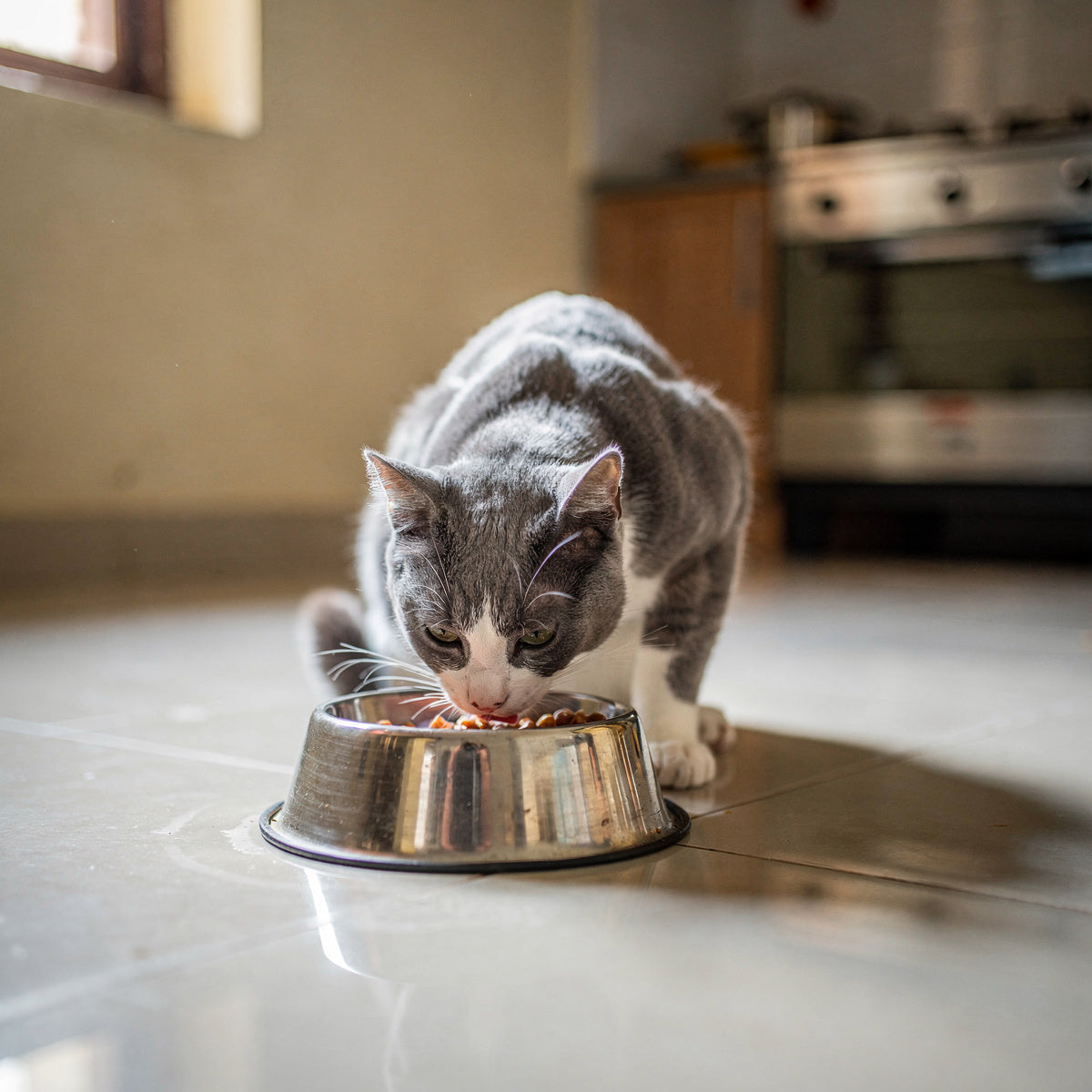
We see it regularly at our store in Gachibowli. Someone comes in looking for a cat food recommendation, and within two minutes of talking, it becomes clear the feeding routine they have going at home is quietly working against their cat's health. No one told them. The vet visits were fine. The cat seemed okay. But "okay" and "thriving" are not the same thing.
Cats are not low-maintenance eaters just because they don't beg at the dinner table like dogs do. They have specific nutritional needs, and small, consistent mistakes in how you feed them can add up to real health problems over months and years. Here are the ones we see most often.
Why Is My Cat Always Hungry Even After Eating?
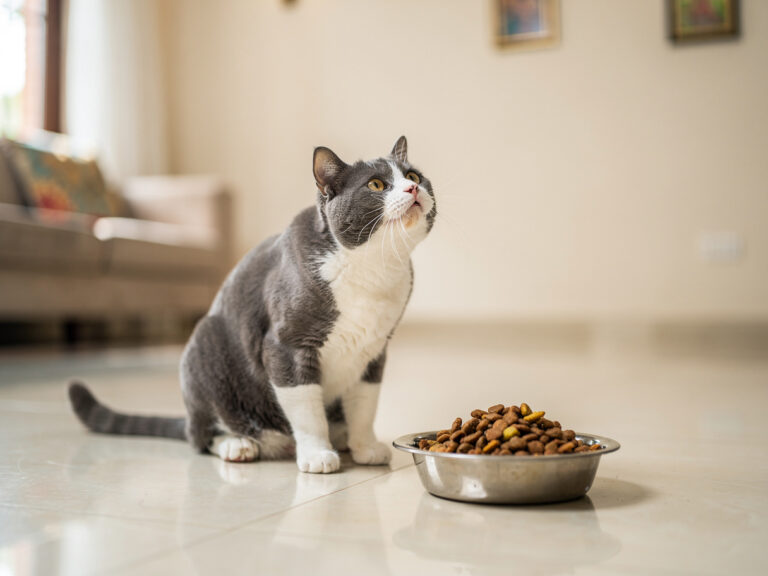
This is one of the most common things cat owners say to us, and nine times out of ten, the answer comes down to free feeding. Leaving a full bowl of kibble out all day so your cat can snack whenever she wants sounds like a kind, convenient thing to do. In practice, it trains cats to eat out of boredom rather than hunger.
Cats in apartments, especially in Hyderabad where the heat keeps both humans and animals indoors for most of the year, don't burn calories the way outdoor cats do. A cat grazing freely on a bowl of dry food from morning to night can quietly become overweight without you even noticing until your vet flags it at a checkup. And the consequences are not minor. Obesity in cats leads directly to diabetes, joint strain, and urinary tract issues. A Persian or a British Shorthair sitting in an air-conditioned flat in Gachibowli is burning very little energy on a normal day.
Structured mealtimes work far better. Two to three measured meals a day, at consistent times, helps regulate your cat's appetite and gives you a clear picture of how much she is actually eating. If her appetite drops suddenly, you'll know immediately. With free feeding, you often don't notice a problem until it's been going on for a week.
Is Dry Cat Food Enough for My Cat's Daily Diet?
This one surprises people. Dry food is convenient, affordable, and easy to store, so it becomes the default for most cat owners in India. We understand why. But cats are what biologists call obligate carnivores, which means their bodies extract moisture from prey in the wild. They have a naturally low thirst drive, so they don't compensate for a dry-only diet by drinking more water the way a dog might.
What that means practically: a cat eating only dry kibble is likely running mildly dehydrated much of the time. Over months and years, this puts consistent stress on the kidneys and bladder. Urinary tract problems are extremely common in cats, and diet is one of the biggest contributing factors. We had a customer last year whose 4-year-old male Indie cat had his second urinary blockage in 18 months. His diet was exclusively dry food. Their vet made the switch to wet food part of the treatment plan, and there hasn't been a third episode.
That doesn't mean dry food is bad. It has its place, particularly for dental health and convenience. But mixing in quality wet food, whether canned or fresh, makes a real difference to hydration levels and long-term kidney health. A rough guideline many vets suggest is balancing roughly 50 to 60 percent of calories from wet sources, but ask your own vet for what's right for your cat's specific age and condition. You can browse our cat products range to find a mix of wet and dry options worth considering.
What Should I Feed My Cat According to Their Age and Health?
Here's where the real variation comes in. Kitten nutrition, adult cat nutrition, and senior cat nutrition are genuinely different things. A 3-month-old kitten needs significantly more protein and fat per gram of body weight than a 7-year-old adult who is neutered and spends most of his time on the couch. Feeding both the same food in the same quantities is a mistake, even if the bag says "for all life stages."
Many pet parents rely entirely on the feeding guidelines printed on the packaging. Those numbers are general estimates based on average body weights. They don't account for your specific cat's metabolism, activity level, body condition score, or any existing health concerns. A cat who had a urinary issue needs a diet that manages mineral intake. A cat with early kidney disease needs restricted phosphorus. A cat who is underweight needs a different calorie target than one who is already a little heavy.
The only person who can properly assess all of that is your vet. Getting a diet plan reviewed at least once a year, or whenever your cat's circumstances change significantly, is genuinely worth the appointment. Our vet clinic at the Gachibowli shop is not running at the moment, so please see your own vet. A proper consultation takes 20 minutes and can prevent expensive health problems down the line.
Other Small Habits That Add Up Over Time
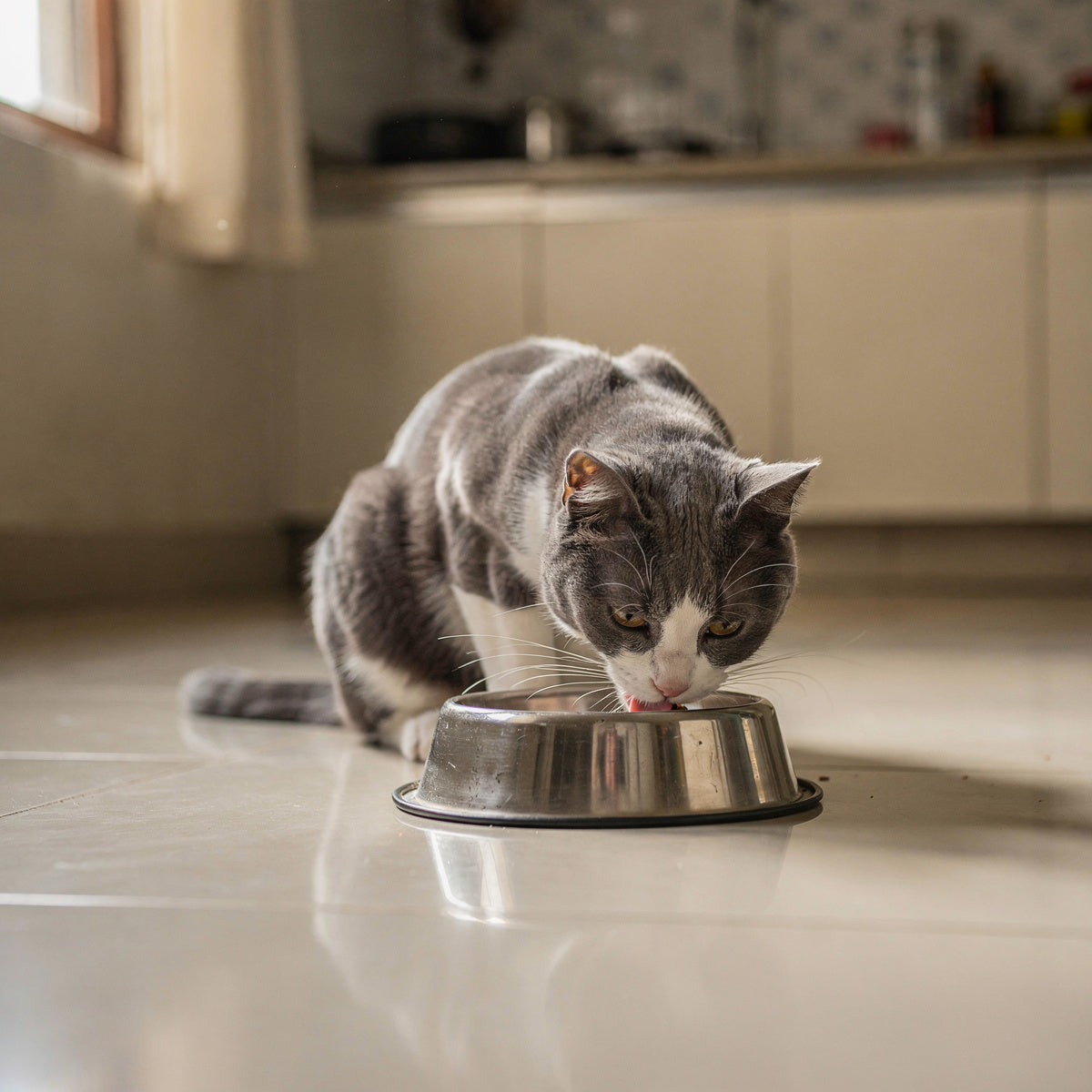
Beyond the three big ones above, a few smaller habits are worth flagging. Feeding your cat from a deep narrow bowl sounds harmless, but many cats experience whisker fatigue from their face pressing against the sides while they eat. Shallow, wide feeding bowls fix this entirely and some cats will eat more consistently once the discomfort goes away.
Water placement matters too. Cats naturally avoid drinking water near their food source, a holdover from wild instincts about contamination. Putting the water bowl in a completely different spot in your home, or switching to a water fountain, tends to increase daily water intake noticeably. In Hyderabad's dry summers, this is not a small thing.
And finally, treats. We love giving our cats treats. So do you, probably. But treats that make up more than 10 percent of daily calorie intake can throw off an otherwise good diet pretty quickly. Use them intentionally, not constantly, and check the ingredient list. Some budget treats sold in local stores here are heavy on grain fillers and salt, neither of which your cat needs.
Getting cat feeding right isn't about being perfect every single day. It's about having a solid baseline routine and knowing when to course-correct. Small changes in how you feed your cat now can genuinely affect how healthy and comfortable she is five years from now.
Frequently Asked Questions
How many times a day should I feed my cat in India?
Most adult cats do well with two meals a day, spaced roughly 10 to 12 hours apart. Kittens under 6 months need three or four smaller meals due to their faster metabolism and growth demands. The exact amounts depend on your cat's weight and the calorie density of the food you're using. Check with your vet if you're unsure where to start.
Is homemade cat food okay for Indian cats?
It can be, but it's harder to get right than most people think. Cats need specific amino acids like taurine that are not present in plant-based ingredients, and deficiencies build up slowly before showing symptoms. If you want to feed homemade food, work with a vet to design a nutritionally complete recipe rather than putting together something at home without guidance.
My cat only wants to eat dry food and refuses wet food. What should I do?
This is a texture and habit issue more than a taste issue. Cats get attached to the texture of whatever they were fed early in life. Try introducing wet food gradually by mixing a very small amount into the dry food and slowly increasing the ratio over two to three weeks. Warming the wet food slightly also makes it more aromatic and appealing. Patience helps here more than switching brands repeatedly.
Can I feed my cat cow's milk or rice as a treat?
Cow's milk is not recommended. Most adult cats are lactose intolerant and it commonly causes loose stools. Plain cooked rice in tiny amounts is not harmful, but it has no nutritional value for a cat and should not be a regular part of their diet. If you want to give treats, choose ones actually formulated for cats with real meat or fish as the first ingredient.