Year-Round Cat Care Plan Every Indian Cat Owner Needs
A cat care plan built around Hyderabad's seasons — from summer dehydration risks to monsoon skin issues and winter weight gain. Practical, season-by-season advice from the Cuddle Paws team in Gachibowli.
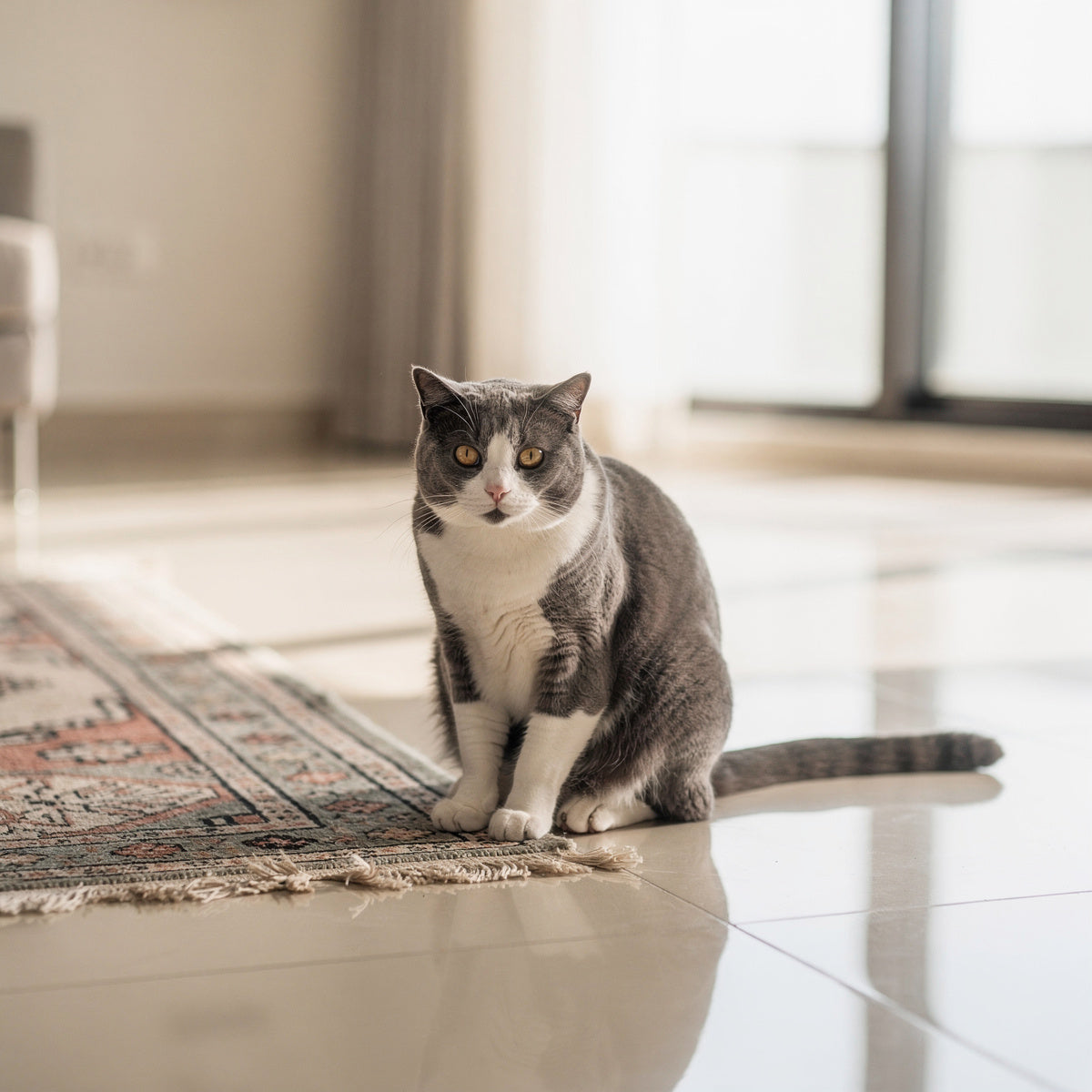
Most cat owners in Hyderabad think about cat care reactively — the vet visit happens when something's wrong, the grooming happens when the coat looks bad, the litter box gets attention when the smell becomes impossible to ignore. That's not a plan, that's firefighting. A proper year-round cat care plan means you're staying ahead of problems before they land in your lap, literally and figuratively.
We've put this guide together based on what we see every week at our store in Gachibowli — questions from cat parents, issues that come up during grooming sessions, and the common patterns we notice across seasons in Hyderabad specifically. This city has its own climate personality: brutal summers, a proper monsoon, and winters that are mild by most standards but still affect your cat more than you'd expect. Your care plan needs to account for all of that.
How Often Should I Groom My Cat Throughout the Year?
Grooming is one of those things people either obsess over or completely ignore. Neither works. How much attention your cat's coat needs depends on breed and season, but no cat is truly self-sufficient when it comes to grooming — especially in Hyderabad's climate.
March through June is the period that catches most cat owners off guard. The heat triggers a heavy shed, and if you have a Persian, Maine Coon, or any long-haired mixed breed, you will find tufts of fur on every piece of furniture you own. Daily brushing during this stretch isn't excessive — it's just what the season demands. It prevents mats, reduces hairballs, and honestly keeps your cat more comfortable when temperatures are pushing 40°C.
The monsoon brings a different problem. Humidity in Hyderabad from July through September creates the perfect conditions for skin fungal issues in cats with dense coats. If your cat smells musty even when clean, that's worth checking. Keep the coat dry, brush regularly to improve air circulation at the skin level, and check the belly and underarms where moisture tends to sit.
Winter grooming is usually the easiest of the three seasons. Shedding slows down, the skin stays more balanced, and most short-haired cats need very little intervention. That said, don't completely drop the routine — a monthly nail trim and ear check should stay on the calendar regardless of the time of year. If professional grooming is something you're considering, our grooming services at Cuddle Paws are available year-round and we're familiar with how local weather affects coat condition.
What Should I Feed My Cat in Different Seasons?
Cats are obligate carnivores — meaning protein isn't just preferred, it's biologically required. A diet low in animal protein will eventually show up in dull coat, low energy, and immune issues. That part doesn't change with the season. What does shift slightly is hydration needs and, to a smaller degree, calorie requirements.
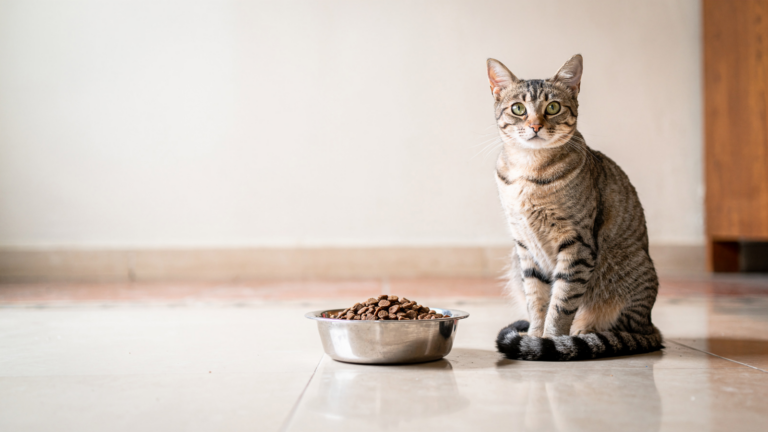
Summer is when water intake becomes critical. Cats are notoriously bad at drinking enough water on their own, and in Hyderabad's heat, dehydration is a real risk. If your cat is on dry kibble exclusively, this is worth reconsidering during summer months. Adding wet food to the rotation, even once a day, makes a real difference. A lot of our customers have also switched to water fountains — cats are far more likely to drink consistently when the water is moving rather than sitting still in a bowl.
In winter, indoor cats that are less active can start gaining weight quietly. You won't notice it immediately, but over a few months the difference becomes visible. Track portions rather than free-feeding, and don't increase quantity just because the weather got cooler — your apartment cat doesn't need extra calories the way an outdoor cat might in a genuinely cold climate. Hyderabad winters are mild. The metabolic need for more food is usually overstated.
Kittens and senior cats are a separate conversation entirely. Their nutritional needs are genuinely different and not something to guess at. If you have a cat over 8 years old or a kitten under 12 months, schedule a specific diet conversation with a vet.
How Do I Keep My Indoor Cat Active All Year?
Indoor cats in Gachibowli apartments live a pretty contained life. Most of the cat owners we talk to live in 2BHK or 3BHK flats — enough space, but not exactly sprawling territory. Without active play, indoor cats get bored, and bored cats either get destructive or get depressed. Neither is good.
The most common mistake is buying a toy once and expecting it to hold attention forever. Cats habituate quickly. Rotate toys every few days, and mix in interactive sessions — a wand toy or feather teaser where you're actively involved will always beat a toy your cat bats around alone. Aim for two 10-15 minute play sessions per day. It sounds like a small commitment, but it makes a noticeable difference in energy and temperament.
Summers, when the heat makes everything feel slow, are actually a good time to introduce puzzle feeders. They make your cat work mentally for their food, which is stimulating enough that physical exercise needs drop slightly. In winter when the weather is comfortable, some cats become unexpectedly playful — lean into that and let them lead.
Scratching posts and climbing structures matter more than most people realize. They're not just about saving your furniture (though they help with that too). Vertical space gives cats a sense of territory and control in a small apartment. A cat that can climb and observe feels secure in a way that a cat stuck at floor level often doesn't.
Litter Box Rules That Actually Work
A cat avoiding the litter box is one of the most frustrating problems for owners, and it's almost always a hygiene or placement issue rather than a behavioral one. Cats are clean animals with strong preferences, and they will find somewhere else to go if the box doesn't meet their standards.
Scoop daily. That's the baseline. Complete litter changes should happen once a week for clumping litter, more often if you have multiple cats. The general guideline is one litter box per cat, plus one extra — so two cats means three boxes minimum. This isn't being excessive, it's just how cats work. They don't like sharing, and they don't like queuing.
In summer, odor builds faster because of the heat. Covered litter boxes trap that smell and make cats reluctant to enter. If you've had issues with your cat avoiding the box during warmer months specifically, try switching to an open-top design and see if that changes things. Placement also matters — quiet, low-traffic corners work better than hallways or areas with loud appliances nearby. Take a look at our litter boxes and toilet options if you're due for an upgrade — the difference in design quality between a basic tray and a well-made litter setup is more significant than most people expect.
Seasonal Vet Visits: What Indian Cat Owners Often Skip
Most cat owners we know visit the vet when something is visibly wrong. The problem is that cats are excellent at hiding discomfort — by the time you notice something, it's often been going on for a while. Twice-yearly vet checkups are genuinely worth building into your annual plan, not just the once-a-year vaccination visit.
Pre-summer (around March) is a smart time for a checkup because it's right before the most stressful season for cats — the heat, increased shedding, and dehydration risk. A vet can flag early kidney issues, dental problems, or skin conditions before summer makes them worse. Post-monsoon (October) is the second window — fungal and parasitic infections tend to peak during the rains, and a check at the end of monsoon season catches anything that might have developed quietly.
Tick and flea prevention is worth bringing up specifically. Hyderabad's climate keeps fleas active almost year-round, unlike in colder cities where there's a genuine off-season. Even indoor cats are exposed if anyone in the house goes outdoors. Ask your vet about appropriate preventatives for your cat's weight and lifestyle rather than assuming indoor cats are safe.
One Thing Most Cat Parents in Hyderabad Get Wrong
We'll be honest about this one: hydration. Most cats we see — across all ages and breeds — are chronically under-hydrated. It doesn't show up dramatically until there are kidney or urinary issues, and by then it's a health problem rather than a habit to fix.
Fresh water in multiple spots around the house, a switch to wet food during summer months, and a water fountain if your cat turns their nose up at still water in a bowl — these three changes alone would improve the long-term health of a significant number of cats in Hyderabad. It's unglamorous advice, but it's the most impactful thing on this list.
Everything else — grooming, diet variety, vet visits, enrichment — builds on a foundation of a cat that is properly hydrated and eating appropriate food. Get that right first, and the rest becomes easier to manage across all four seasons. Browse our full range of cat products at Cuddle Paws if you're looking to put together a proper seasonal kit for your cat — from feeding essentials to grooming tools, we stock what actually works in Indian conditions.
Frequently Asked Questions
Should I change my cat's food in summer versus winter in India?
You don't need a complete overhaul, but some adjustments make sense. In Hyderabad's summer, adding wet food to improve hydration is a good idea. In winter, if your cat is less active and indoors more, watch portion sizes — weight gain tends to creep up during cooler months. Protein content should stay high year-round regardless of season.
How often should I take my cat to the vet if they seem healthy?
Twice a year is a solid rhythm — once before summer and once after monsoon season ends. Annual vaccinations obviously need to happen, but building in a second checkup mid-year helps catch slow-developing issues like kidney function changes, dental disease, or parasite load that wouldn't otherwise get flagged until they become serious problems.
My cat sheds excessively in April and May. Is that normal in Hyderabad?
Very normal, and something we see constantly. The heat triggers a heavy seasonal shed, especially in cats with medium to long coats. Daily brushing during this period is the main tool — it removes the loose undercoat before it becomes hairballs or a coating on your sofa. If the shedding seems unusually heavy even outside peak season, or if you're seeing bald patches, that's worth a vet check as it can indicate thyroid issues or nutritional deficiencies.
Is it okay to let my cat out on the balcony during Hyderabad summers?
Short supervised sessions in the morning or evening are fine, but avoid the midday to 4 PM window when temperatures are at their worst. Balcony concrete gets extremely hot and can burn paw pads. Make sure there's shade and fresh water if your cat spends any time outdoors. And absolutely safety-net the balcony if your cat is curious about the edge — it's one of those things that seems unlikely until it happens.