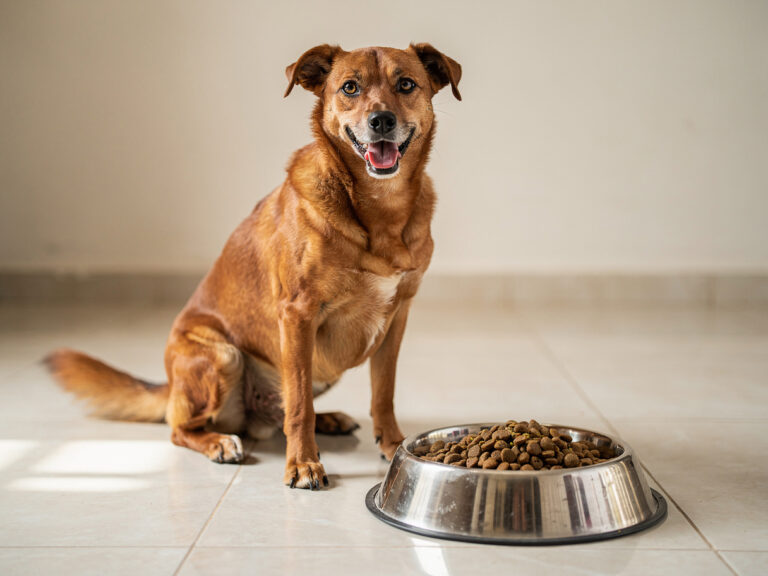
Why Vets Recommend Dry Dog Food: 5 Real Benefits
Vets consistently recommend dry food for dogs, and it's not just about convenience. Here's what's actually behind that advice and what we see at our Gachibowli store every day.

Every week at our store in Gachibowli, at least a handful of dog parents walk in confused about food. Some are switching from home-cooked meals. Some are moving from wet food. Some just bought their first puppy and have no idea where to start. And almost every vet they've spoken to has pointed them toward dry food. There's a reason for that — actually, there are several. Here's an honest breakdown of why kibble earns that recommendation so consistently, and what it actually means for your dog day to day.
Does dry dog food actually help with dental health?
Yes, and this is probably the benefit vets bring up most often. When your dog chews kibble, the mechanical action of biting through each piece scrapes lightly against the tooth surface. It won't replace brushing — nothing really does — but it does slow down tartar and plaque buildup compared to a purely soft or wet diet.
We had a customer last year with a 5-year-old Beagle who had been on home-cooked rice and chicken since puppyhood. When she finally took him to a vet for a routine check, she was told his teeth were in rough shape and he needed a cleaning under anesthesia. The vet specifically mentioned that softer diets give plaque nowhere to go. After switching to a good quality kibble, his follow-up dental checks have been noticeably better.
If your dog already has some tartar buildup, dry food isn't going to reverse it. But as a long-term preventive habit, it genuinely helps.
Why is dry food easier to manage than wet food in Indian homes?
This is something that doesn't get talked about enough. Wet food or home-cooked meals spoil fast, especially in Hyderabad's heat. Between March and June when temperatures are regularly above 38°C, a bowl of wet food left out for even an hour can start to turn. Kibble doesn't have that problem. You can leave it in a bowl without worrying, and a 3 or 5 kg bag stored in a cool, dry spot will easily last weeks without losing quality.
For working pet parents in the IT corridor around Gachibowli — people leaving home at 8 AM and returning at 8 PM — this matters a lot. You're not going to come home and find the food spoiled or attracting insects. That kind of reliability is genuinely useful.
Buying in bulk also makes sense economically. Most quality kibble brands available in India, like Royal Canin, Drools, Pedigree, and Farmina, come in packaging that stays fresh for months when sealed properly. The cost per meal usually works out lower than wet food too.
Can dry dog food help with portion control and weight management?
This is a big one, and it's underappreciated. Kibble is easy to measure. You scoop a specific quantity, and that's what your dog gets. With wet food or home-cooked meals, the calorie density varies every time, which makes it genuinely hard to know whether you're overfeeding or underfeeding.
Obesity in dogs is more common in India than most people realise, particularly in apartment dogs who don't get enough outdoor exercise. A Labrador who gets 600 grams of kibble a day is getting a predictable, calculable amount of nutrition. The same Lab eating rice, dahi, and chicken cooked at home? The calories in that meal could vary wildly depending on how much ghee went in, how much rice was scooped, and whether someone at the table felt generous.
Dry food also pairs well with slow feeder bowls if you have a dog who inhales food too fast. Those ridged bowls force your dog to work around the grooves to access the kibble, which slows eating and reduces the risk of bloat — something Labradors, German Shepherds, and other deep-chested breeds are genuinely prone to.
How does kibble help keep dogs mentally engaged?
Food isn't just fuel — it's also one of the most effective enrichment tools you have. Because dry food doesn't stick or go soggy, it works perfectly inside puzzle feeders, snuffle mats, and Kongs. You can stuff a Kong with kibble and a bit of peanut butter, freeze it, and hand it to your dog before you leave for work. That single thing can occupy a bored dog for 30 to 45 minutes.
We see a lot of apartment dogs with separation anxiety in Gachibowli. Their owners are gone for long hours and these dogs spend too much time with nothing to do. Wet food doesn't work in a Kong or a puzzle feeder the same way kibble does. It's one small but real advantage that adds up if you're using food-based enrichment regularly.
Is dry food nutritionally complete for dogs?
A good quality dry food, one that lists a named protein source as the first ingredient and is labeled as complete and balanced, is formulated to meet your dog's full nutritional needs. You don't need to supplement it with anything unless a vet has identified a specific deficiency.
That said, not all kibble is created equal. Budget brands that list cereals or corn as the primary ingredient aren't giving your dog the same nutritional profile as a meat-first formula. Read the ingredient list. If the first thing you see is maize or wheat, keep looking. Your dog is primarily a carnivore — the protein source should come first.
It's also worth knowing that different life stages need different formulations. Puppy kibble has a different protein and fat ratio than adult food, and senior formulas are adjusted for joint support and lower caloric density. Feeding a 4-month-old puppy adult food, or vice versa, isn't ideal. If you're unsure what stage your dog is at or what formula suits them best, that's a genuinely good question to bring to your vet — or pop into our store and we'll point you in the right direction.
If you're setting up for a new dog or upgrading your current setup, browse our full range of dog products — we stock a solid selection of bowls, feeders, and accessories that make feeding time easier. And if your dog is due for a check-in anyway, your vet can help you figure out the right food and portion size for your specific dog's weight, age, and breed.
Frequently Asked Questions
Can I mix dry food with home-cooked food for my dog?
You can, but be careful about portion sizes. When you add home-cooked food to a complete kibble, you're adding extra calories that can lead to weight gain over time. If you're mixing, reduce the kibble quantity accordingly. Also avoid adding heavily spiced food, onion, or garlic, which are common in Indian cooking but harmful to dogs.
My dog is a fussy eater and won't touch dry food. What should I do?
Try a gradual transition — start by mixing a small amount of kibble into whatever your dog currently eats and slowly increase the ratio over 7 to 10 days. Some dogs are texture-sensitive, so warming the kibble slightly or adding a small splash of plain warm water can make it more appealing without compromising the dental benefit too much.
Is dry food okay for Indian breeds like the Indian Pariah Dog or Rajapalayam?
Absolutely. These breeds tend to have robust digestive systems and generally adapt well to quality dry food. The main thing to watch is protein quality and calorie density — leaner, more active dogs like the Pariah may need a slightly higher-protein formula than sedentary apartment dogs.
How should I store dry dog food in Hyderabad's heat and humidity?
Keep it in an airtight container — not left open in the original bag — and store it in a cool, dry place away from direct sunlight. During Hyderabad's summer months especially, a pantry or cupboard away from the kitchen works better than leaving it near a window. Moisture is the biggest enemy of kibble quality, so avoid scooping with a wet hand or wet scoop.