Why Real Chicken Protein Matters in Your Dog's Food
Not every dog food that claims to be protein-rich actually delivers what your dog needs. Here's what real chicken protein does for your dog and how to spot the difference on a label.
Walk into almost any pet store and you'll find dog food bags covered in words like "protein-rich" and "muscle support." But flip the bag over and read the ingredient list carefully. Sometimes what's listed as a protein source is bone meal, poultry by-product, or something vague like "meat derivatives." Real chicken — actual, identifiable chicken meat — is a very different thing, and it matters more than most dog owners realise.
We talk to dog parents in Gachibowli every single day. A lot of them come in confused — their dog's coat looks dull, energy is low, or they're dealing with digestive issues that seem to come and go. One of the first things we ask is, "What are you feeding them, and have you looked at the protein source?" More often than not, that's where the answer is hiding.
What Does Real Chicken Actually Do for Your Dog?
Chicken is what's called a complete protein — it contains all the essential amino acids a dog needs but cannot produce on its own. Amino acids are the building blocks of muscle tissue, and dogs use them constantly, not just for building muscle but for repairing it after exercise, maintaining organ function, and even producing hormones and enzymes.
A Labrador who goes for a 45-minute morning walk every day in Hyderabad's heat is burning through protein faster than a sedentary dog. Without an adequate, quality protein source, that dog starts losing muscle tone even if he looks fine on the outside. By the time it becomes visible, you've already lost months of good nutrition.
Real chicken also brings along B-vitamins — B3 (niacin), B6, and B12 specifically — which support your dog's nervous system and energy metabolism. It's a source of iron, zinc, and healthy fats including omega-6 fatty acids. These aren't supplements sprinkled in after processing. They're naturally present in the meat itself, which means the body recognises and absorbs them more efficiently.
Why Is "By-Product" Protein Such a Problem?
This is where it gets a little uncomfortable, but you should know. Poultry by-products can legally include beaks, feet, intestines, and undeveloped eggs. Some of these do contain protein. But the amino acid profile is not the same as muscle meat, and the digestibility is significantly lower. Your dog may technically be eating a "high protein" food by the numbers on the label, but if the body can't absorb and use that protein efficiently, those numbers mean very little.
We had a customer a few months ago with a 4-year-old Golden Retriever named Bruno. His owner had been feeding him a mid-range brand for over a year, spending a fair amount on it, and Bruno was lethargic and had recurring loose stools. When we looked at the food together, the first ingredient was "poultry by-product meal." We switched him to a food with real chicken listed first and within about three weeks, the difference was noticeable. More energy, better stool consistency, and his coat started looking noticeably shinier. That's not a coincidence.
How to Read a Dog Food Ingredient Label the Right Way
Ingredients are listed by weight before processing. So "chicken" listed first means there's more chicken in the food than anything else at the time it goes in. That's a good sign. "Chicken meal" is also acceptable — it's concentrated chicken with moisture removed, so it's actually very protein-dense. What you want to avoid is vague terms like "meat meal," "animal digest," or any version of "by-product" in the top three ingredients.
Also watch out for filler-heavy formulas where corn, wheat, or soy appears before any protein source. Dogs have no nutritional requirement for grains, and when those ingredients are used primarily to bulk up the food and hit a protein percentage target, your dog ends up eating a lot of food for relatively little nutritional payoff. This is particularly relevant in India, where many locally popular dog foods rely heavily on grain-based fillers to keep costs down.
Does Breed or Age Change How Much Protein Your Dog Needs?
Yes, significantly. Puppies are building muscle tissue from scratch, so they need higher protein levels than adult dogs. Large Indian breeds like Rajapalayam or Mudhol Hounds are lean, athletic dogs — they genuinely require quality protein to maintain their natural physique. Even small breeds like Pomeranians or Indian Spitz, which are popular in Hyderabad apartments, benefit from digestible protein because their small stomachs mean every bite has to count.
Senior dogs are the group most people get wrong. It's a common assumption that older dogs need less protein. The reality is almost the opposite — aging dogs lose muscle mass naturally, and sufficient high-quality protein actually helps slow that process. The key is digestibility, which is exactly why the source matters so much.
If you're unsure whether your dog's current food is meeting their protein needs, you can always book a vet consultation — a vet can review your dog's diet and body condition together.
What About Dogs with Chicken Allergies?
This question comes up. Chicken allergies in dogs do exist, though they're less common than people think. True protein allergies are typically reactions to a specific protein the dog has been overexposed to over time. If your vet has confirmed a chicken sensitivity, you'd look at alternative single-protein sources like fish, lamb, or duck. But if your dog has never been formally tested and you're just assuming based on some loose stools or itchy skin, don't eliminate chicken without getting that confirmed first. Skin and digestive issues have many possible causes, and cutting out a quality protein source without good reason could actually make things worse.
Browse our full range of dog products including premium nutrition options, or swing by our Hyderabad shop if you'd like us to help you compare options in person.
Pair Good Nutrition with the Right Feeding Setup
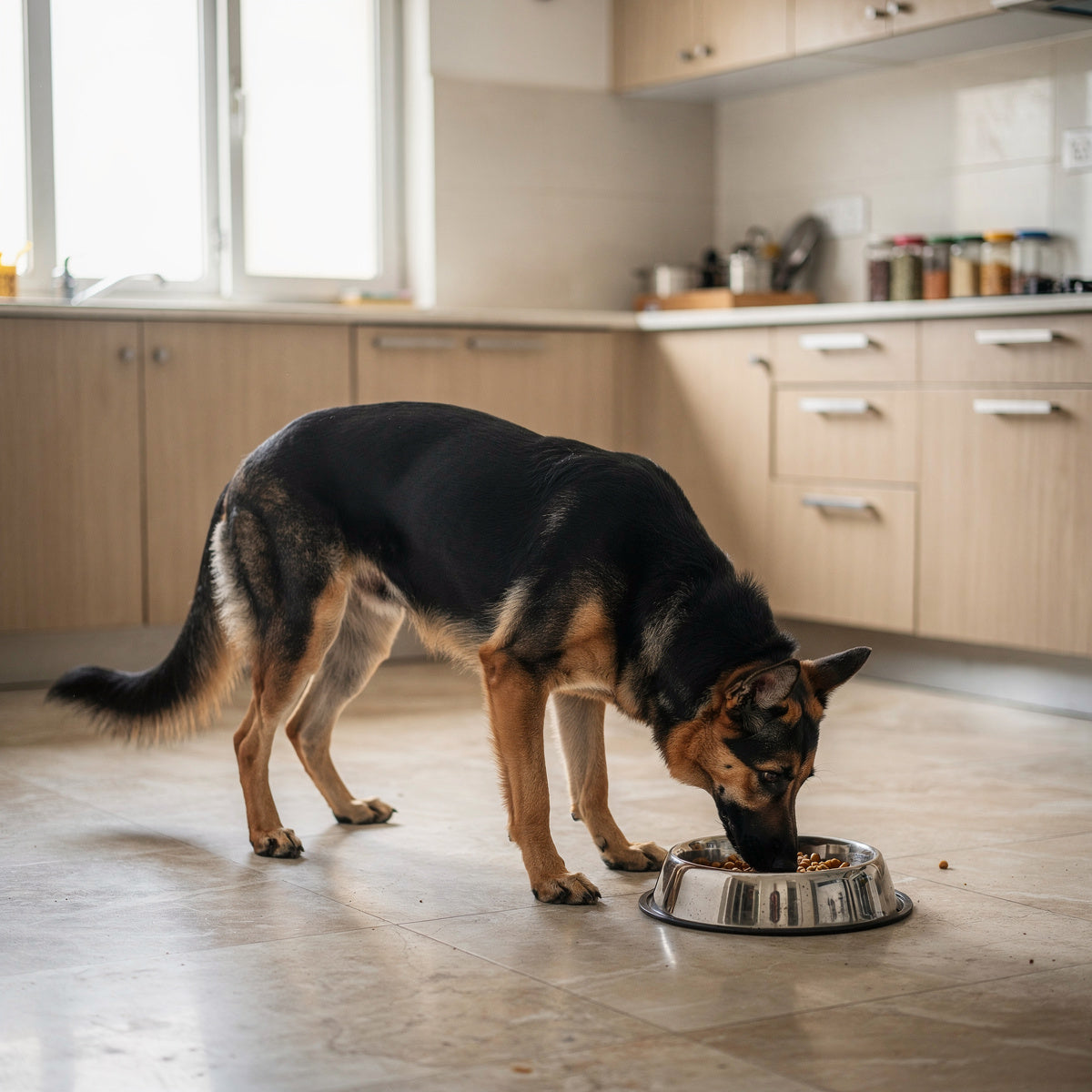
One thing that doesn't get talked about enough — even the best dog food loses some of its value if feeding routines are off. Overfeeding means the kidneys and liver work harder to process excess protein. Underfeeding means deficiencies build up quietly over months. A consistent routine with measured portions goes a long way.
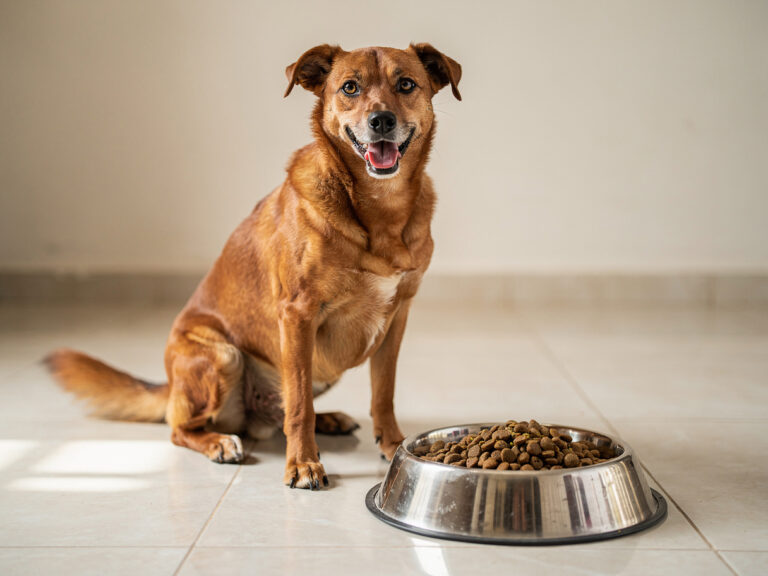
The bowl you feed from also matters more than people expect. Stainless steel and ceramic bowls are easier to keep truly clean compared to plastic, which harbours bacteria in scratches. If your dog eats too fast, a slow-feeder bowl can reduce bloat risk, which is a real concern in deep-chested breeds. Take a look at our bowls and feeders collection if you're due for an upgrade.
Feeding your dog well is honestly one of the most direct ways to affect their quality of life. A dog eating food built on real, digestible protein is going to feel better, move better, and almost certainly visit the vet less often for preventable issues. It's not about buying the most expensive food on the shelf — it's about knowing what to look for and not being fooled by marketing language that looks good on a bag but doesn't hold up when you read the fine print.
Frequently Asked Questions
Is chicken good for all dog breeds in India?
Yes, for the vast majority of dogs. Chicken is a highly digestible, complete protein that suits most breeds well. Indian breeds like Indie dogs, Rajapalayam, and Kombai tend to do particularly well on animal-based proteins since their bodies are adapted to a more active lifestyle. The exception would be dogs with a confirmed chicken allergy, which your vet can diagnose properly.
Can I feed my dog homemade chicken instead of commercial food?
Plain boiled chicken (no salt, no spices, no onion or garlic) is a great supplement or temporary food when your dog has an upset stomach. But using it as a full diet long-term is risky — chicken alone doesn't supply everything a dog needs. You'd be missing calcium, certain vitamins, and the correct mineral ratios. A balanced commercial food that uses real chicken as its protein base is usually the more practical and nutritionally complete choice.
How do I know if my dog isn't getting enough protein?
Signs to watch for include visible muscle loss especially around the hindquarters, a dull or thinning coat, low energy even after rest, and slower recovery after physical activity. These symptoms can have other causes too, so if you're noticing them, a vet check is the right first step rather than just switching foods blindly.
Are Indian dog food brands using real chicken or fillers?
It genuinely varies. Some Indian brands have improved significantly in the last few years and do list real chicken or chicken meal as their primary ingredient. Others are still heavily grain-based. The rule is the same regardless of where the brand is from — read the ingredient list, not just the front-of-pack claims. If the first ingredient is a grain or a by-product, keep looking.