Why Cats Hate Water: Real Reasons & What Helps
Your cat isn't being dramatic — there are real biological and instinctive reasons why water is the enemy. Here's what's actually going on, and how to make bath time less of a war.
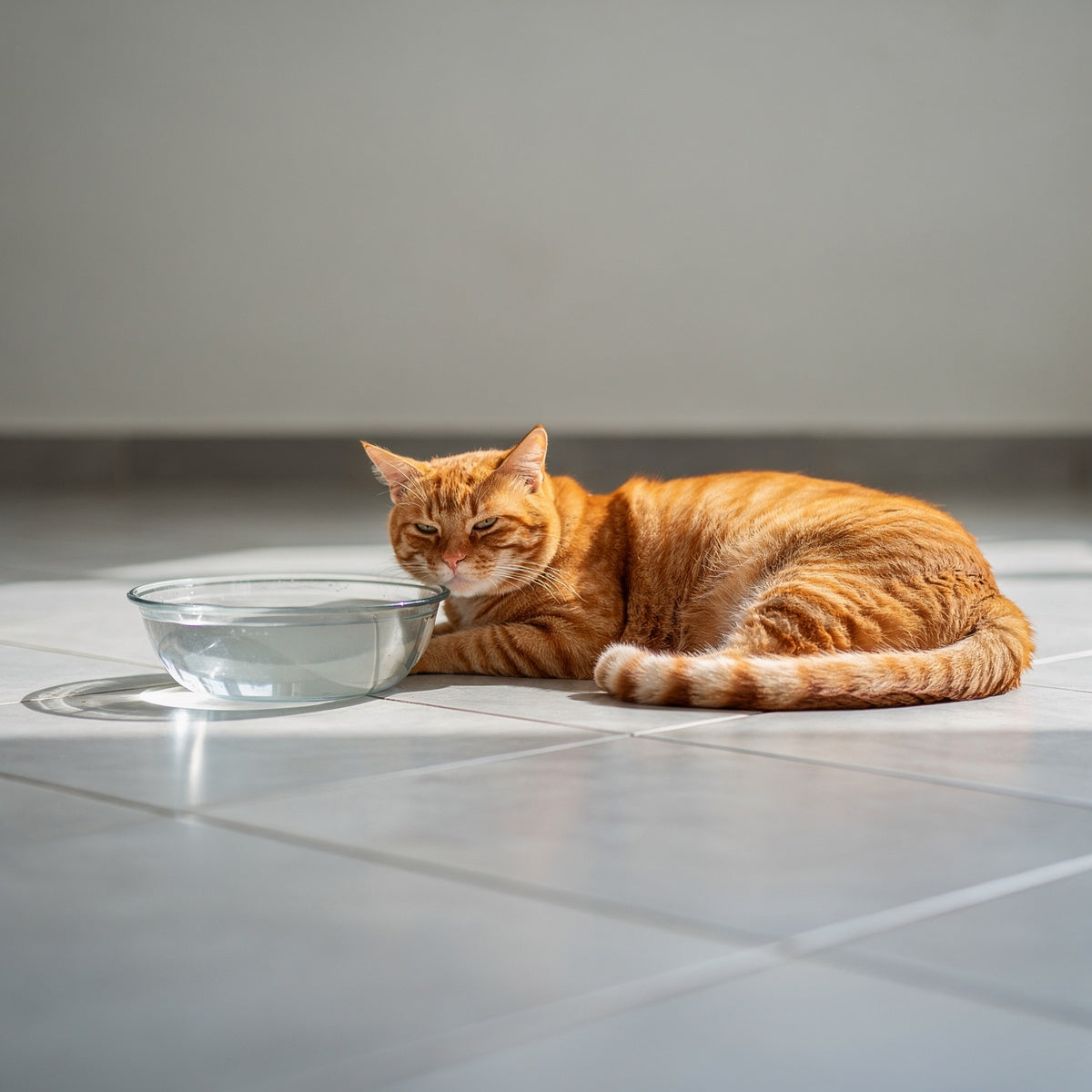
If you've ever tried to give your cat a bath, you already know what follows. The scrambling, the howling, the betrayed glare that lasts the rest of the afternoon. We see this play out in our grooming sessions at Cuddle Paws almost every week. Cat parents come in looking slightly defeated, towel still damp, scratches on their forearms. The question is always the same: why does my cat hate water so much?
The answer isn't just "cats are dramatic" — though, honestly, they are. There are real, specific reasons your cat reacts to water like it's a personal attack. Once you understand them, bath time stops feeling like a battle and starts feeling more manageable.
Where did cats' dislike of water actually come from?
Domestic cats trace their lineage back to the African wildcat — a desert animal. Their ancestors lived in dry, arid regions where large bodies of water simply weren't part of daily life. There was no need to swim, wade, or tolerate being soaked. Over thousands of years, that preference got locked into their instincts.
Compare this to big cats like tigers, who actively swim to regulate body temperature in hot, humid climates. The African wildcat had no such pressure. Dry land was safe, wet was not a situation they ever needed to adapt to. Your apartment cat in Kondapur or Gachibowli still carries that hardwiring, regardless of how domesticated they look lounging on your sofa.
It's not irrational fear. For their ancestors, avoiding water made perfect sense. It's just that domestication changed the environment without changing the instinct.
Why does wet fur bother cats more than other animals?
A dog shakes off, dries in an hour, moves on with life. A cat's coat doesn't work the same way. Cat fur isn't built to shed water. When it gets saturated, it gets heavy, matted, and cold — and drying takes a long time. That's hours of discomfort your cat is not willing to sign up for.
There's also a practical problem: wet fur restricts movement. Cats are built for quick, agile reactions. They don't like anything that makes them feel slower or less capable of bolting if needed. A soaked coat does exactly that. Add the fact that Hyderabad's humidity in May and June can make drying even slower, and you start to understand why your cat is so strongly opposed.
Beyond movement, wet fur strips the natural oils from the coat. These oils aren't just for shine — they help with insulation and waterproofing. After a bath, your cat will groom obsessively to try to restore that baseline. It's not ingratitude. They're literally trying to fix what feels broken to them.
Is it about temperature too?
Yes, more than most people realise. Cats run warm — their normal body temperature sits around 38 to 39 degrees Celsius. They seek out warmth instinctively, which is why they're always finding the one patch of sunlight in the room or sitting on your laptop.
Water that feels perfectly comfortable to your hand can feel shockingly cold against a cat's skin. Even lukewarm water can register as a cold shock when it hits the belly or back of the neck. We've noticed during grooming sessions here that cats tolerate water far better when it's genuinely warm — not hot, but closer to body temperature than you'd think necessary. Most people rinse their cats with water that's too cool without realising it.
What's going on with their ears when water is nearby?
Cats have exceptional hearing. The sound of running water — a tap, a shower, even a bucket being filled — is significantly louder to them than it is to us. Before they're even wet, the sound of water can put them on edge. Add the echo of a bathroom with hard tile walls, and you've created a genuinely uncomfortable sensory environment for an animal with that level of auditory sensitivity.
Getting water inside the ear canal is also painful and potentially dangerous for cats. Their ear structure makes drainage difficult, and trapped moisture can lead to infections. Their aversion to having their head and ears wet isn't just drama — it's self-preservation.
Do cats pick up on the smell of tap water?
They do. Tap water in most Indian cities, including Hyderabad, contains chlorine and other treatment chemicals. To a human nose, this is faint or unnoticeable. To a cat, whose sense of smell is far more powerful than ours, it can smell artificial and off-putting. This is also part of why many cats prefer running water over still water in a bowl — moving water has less chemical smell and also signals freshness to their instincts.
If your cat consistently avoids their water bowl, a pet water fountain can genuinely help. The movement aerates the water and reduces that chlorine odour. We stock a few good options at the store.
Can past experiences make water aversion worse?
Absolutely. A cat that was forcibly bathed as a kitten — especially with cold water, rough handling, or soap in the eyes — will carry that memory for years. Cats have strong associative memory when it comes to negative experiences. One bad bath at eight weeks old can mean a genuinely traumatised adult cat.
We had a customer come in last month with a four-year-old Persian rescue. The cat would start growling the moment she walked into the bathroom, before the tap was even on. Turned out the cat had a history of being hosed down by her previous owners. That kind of association doesn't disappear overnight. It takes patient, gradual desensitisation over weeks.
Do all cats hate water, or are there exceptions?
Some breeds genuinely don't mind water. Turkish Vans are famously water-curious — they've even earned the nickname "the swimming cat." Maine Coons and Norwegian Forest Cats have semi-water-resistant coats and tend to be more tolerant. Bengal cats often enjoy splashing around in shallow water.
But most Indian domestic cats and common breeds like Persians, Siamese, and Indian shorthairs generally prefer to stay dry. If your cat tolerates water without much protest, consider yourself lucky rather than typical.
How do you actually help a water-averse cat?
The short answer: slowly, and without force. Here's what we tell customers at Cuddle Paws when they need to get their cat comfortable with bathing.
Start by making the bathroom a neutral place, not just somewhere the cat gets bathed. Leave the door open. Let your cat explore it on their own terms for a week before any bathing happens. Put a treat or toy in there occasionally. You're breaking the automatic association between bathroom and trauma.
When you do introduce water, start with just a damp cloth on the paws. Not a full bath. Let your cat sit in a dry tub and get comfortable with the sound of dripping water before any actual wetting happens. Work up gradually over multiple sessions. This can take two to three weeks, but it's worth it.
Use warm water — warmer than you think is necessary. Keep the sessions short. Don't restrain your cat with force; use calm handling and let them have an exit option where possible. Reward with treats immediately after. Your cat needs to associate the experience with something positive, not just the relief of it being over.
For long-haired cats especially, regular professional grooming can reduce how often you need to bathe at home. Our grooming team at Cuddle Paws handles cats regularly and can do a proper bath and blow-dry without the stress of doing it yourself in an unfamiliar way. If your cat is particularly anxious, that might genuinely be the easier route.
Between baths, waterless cat shampoos and grooming wipes can help maintain hygiene without the full ordeal. And keep a good brush in rotation — a well-groomed coat needs bathing far less often. You'll find a range of grooming supplies and cat care products at the store if you want to put together a proper routine.
The goal isn't to make your cat love water. That's probably not going to happen. The goal is to make it tolerable — for both of you.
Frequently Asked Questions
My cat won't drink water at all — is this related?
Sometimes, yes. Cats have a naturally low thirst drive and are designed to get most of their moisture from food. But if your cat seems to be actively avoiding their water bowl, try switching to a water fountain — the movement and fresher smell tends to appeal to them more than still tap water. Wet food also significantly increases their daily water intake.
How often do cats actually need a bath in India's climate?
Most indoor cats do fine with a bath every four to six weeks, or even less if they're short-haired and groom well. During monsoon season in Hyderabad, outdoor or semi-outdoor cats may need more frequent cleaning due to mud and humidity-related skin issues. Over-bathing strips natural oils and can cause dry, flaky skin.
Is it safe to bathe a kitten?
Yes, but wait until they're at least eight weeks old and fully weaned. Young kittens lose body heat quickly, so use genuinely warm water, work fast, and dry them thoroughly immediately after. Starting positive water experiences early — even just a warm damp cloth — can help prevent strong aversions later in life.
Can I use a human shampoo or baby shampoo on my cat?
We'd advise against it. Human shampoos have a different pH to what's safe for cat skin. Even baby shampoo can cause irritation with repeated use. Use a shampoo formulated specifically for cats — it matters more than most people think, especially for sensitive-skinned breeds like Persians.