How Steady Dog Nutrition Keeps Energy Levels High
Low energy, sluggish afternoons, skipping walks — often the answer isn't a vet visit, it's a better feeding routine. Here's what consistent nutrition actually does for your dog.
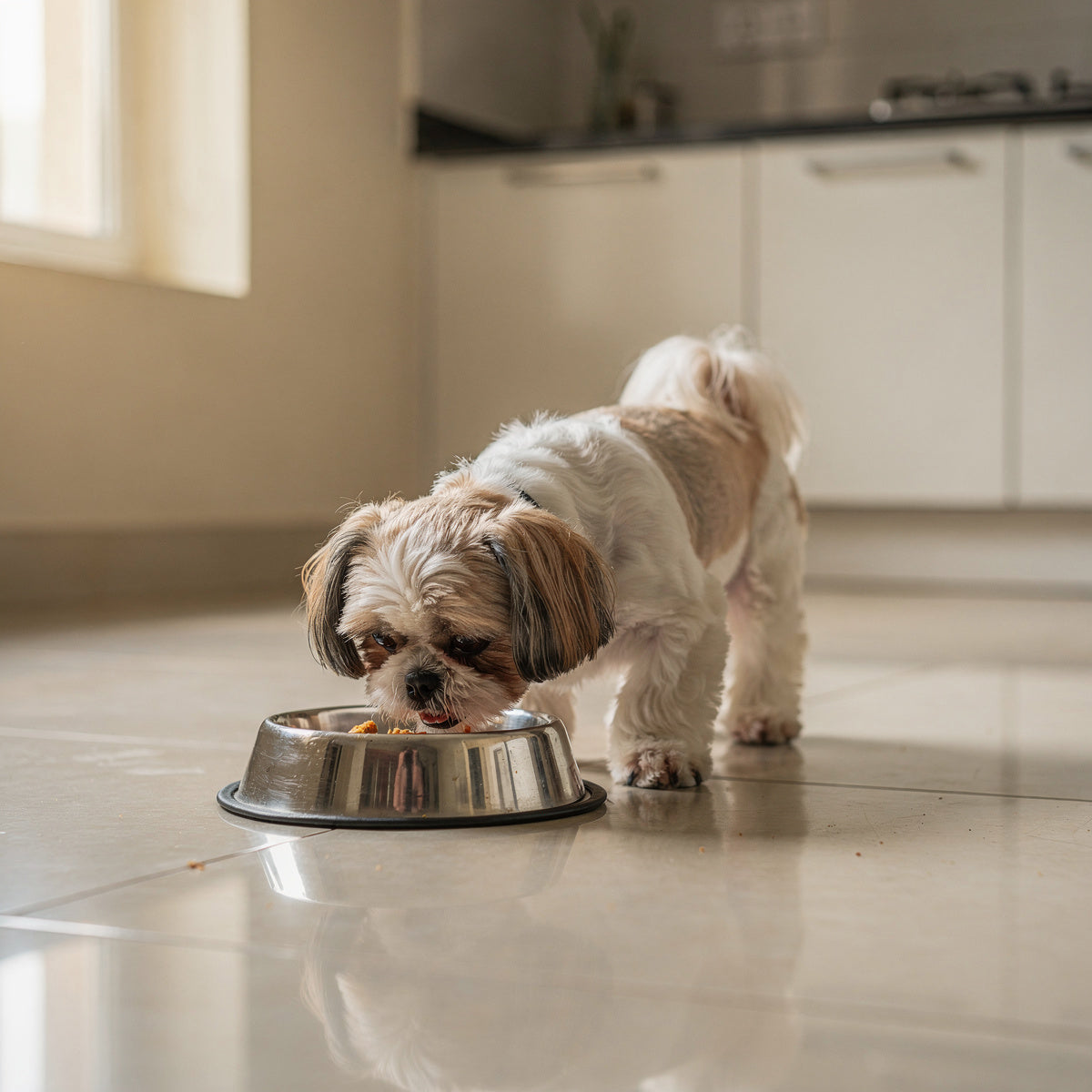
We hear some version of this almost every week at our store in Gachibowli: "My dog seems so tired lately. He used to be so playful." Nine times out of ten, when we start asking questions, the feeding routine is inconsistent — skipped meals, random timing, or food that just isn't doing the job nutritionally. The connection between what your dog eats and how much energy he has is more direct than most people realize.
This isn't about feeding your dog fancy food or spending a fortune. It's about understanding what consistent, quality nutrition actually does inside your dog's body — and why skipping meals or switching foods frequently can leave even a young, healthy dog feeling flat.
Why Does My Dog Seem Low on Energy Even Though He Eats Fine?
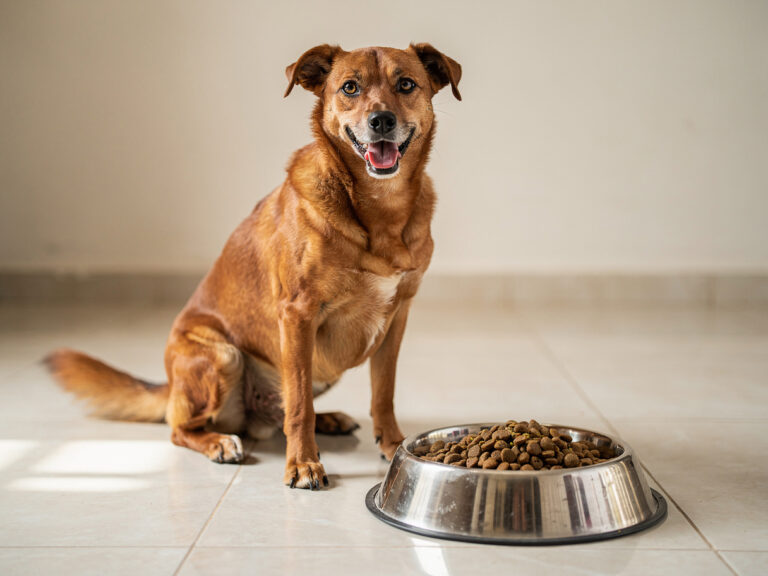
"Eating fine" is doing a lot of heavy lifting in that sentence. A dog can be eating every day and still be undernourished if the food quality is poor or the portions are off. In Hyderabad's heat, this gets worse. Dogs expend extra energy just regulating body temperature from March through June. If their food isn't giving them enough calories and micronutrients to begin with, the reserves run out faster than you'd expect.
Dogs run on glucose derived from carbohydrates, and sustained energy throughout the day comes from how well that glucose is released — which depends heavily on the quality of ingredients in the food. Cheap dry kibble loaded with fillers gives a quick spike and then a crash. Your dog eats, feels okay for an hour, and then slumps. You think he's being lazy. He's actually just running on empty.
Protein matters here too, and not just for muscle. Protein supports organ function, coat health, and recovery after exercise. A dog who doesn't get adequate protein over time will start to look dull — coat loses shine, muscles soften, and he'll skip his evening walk willingly instead of dragging you out the door.
What Does a Good Feeding Schedule Actually Look Like?
For adult dogs, two meals a day at consistent times works well for most breeds. We generally recommend morning and early evening — something like 7 AM and 6 PM. This spacing keeps blood sugar stable, prevents the digestive stress that comes with one large meal, and gives your dog a rhythm his body can adapt to.
Puppies and seniors are different. Puppies under six months need three to four smaller meals because their digestive systems can't handle large volumes and their energy needs are higher relative to body weight. Seniors often do better with smaller, more frequent meals too, especially if they have any joint issues or digestive sensitivity.
One thing we tell every dog parent who visits us: don't skip meals and then double up later. It seems like the math works out, but it doesn't. A dog who gets a giant meal at 9 PM after missing his afternoon feed isn't getting the benefit of steady energy — he's getting digestive overload followed by a long fast. Over weeks and months, this pattern genuinely affects stamina and mood.
Does the Type of Dog Food Make That Much Difference?
Yes. Genuinely, yes. We stock a range of dry dog food at Cuddle Paws, and the difference between budget-end kibble and a properly formulated premium dry food is visible in dogs within a few weeks. Better coat, more alertness, easier digestion, more consistent energy through the day. These aren't marketing claims — we see the before and after in dogs whose owners switched based on our advice.
For Indian dog owners specifically, the protein source in the food matters. Many Indian pet owners prefer vegetarian options for personal or cultural reasons, and while dogs are technically omnivores, getting complete amino acid profiles from plant-based protein sources requires careful formulation. If you're feeding a vegetarian dog food, make sure it's specifically formulated for dogs — not just low-meat or grain-heavy. We're happy to help you read labels if you're unsure what you're looking at.
For dogs eating dry food, check out our range of dog products — we carry options suited to different breed sizes, life stages, and activity levels. If you have a high-energy breed like a Labrador or an Indian Pariah dog who runs a lot, the caloric density of the food matters more than it would for a lower-activity apartment dog.
How Nutrition Affects Weight — And Why That Matters for Energy
An overweight dog tires faster. This sounds obvious, but the feeding habits that cause weight gain — overfeeding, too many treats, irregular large meals — also directly cause low energy. It's a cycle: the dog is overfed, gains weight, becomes less active, the owner feeds more out of habit, and the dog gets heavier. We've seen this pattern in a lot of Labs and Beagles in the Gachibowli area, breeds that will eat far past fullness if you let them.
Underfeeding causes its own problems. A dog who isn't getting enough food will conserve energy instinctively — less play, more sleeping, less interest in walks. If your dog has recently become quieter and less playful, it's worth checking whether his portions are actually meeting his daily requirements. Those requirements change as dogs age, as they gain or lose weight, and as seasons shift.
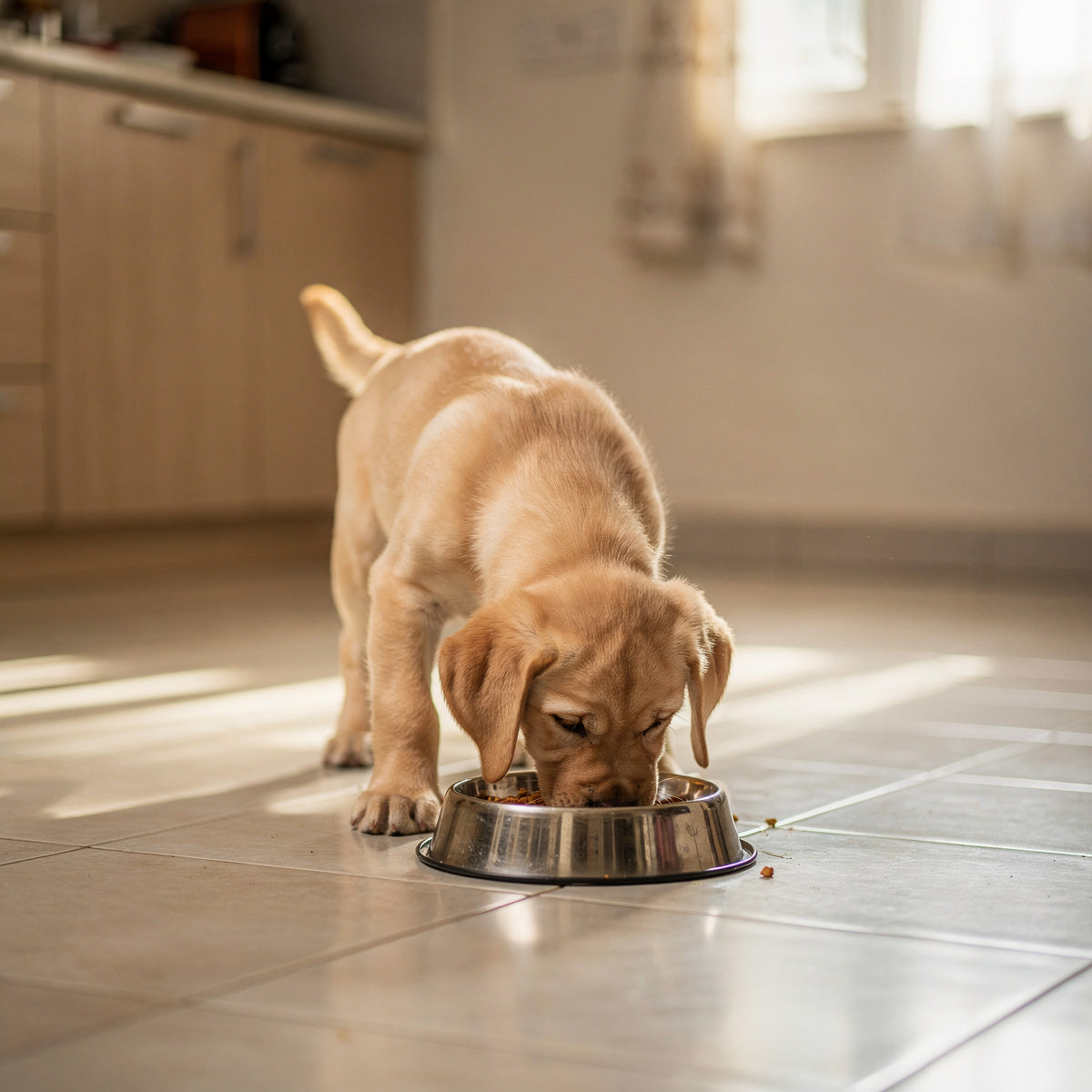
A reliable feeding bowl setup helps more than people think. Dogs who eat from shallow or oversized bowls often eat too fast, which leads to gas, bloating, and post-meal lethargy. A properly sized bowl or a slow-feeder encourages more controlled eating and better digestion.
Supporting Energy Beyond the Food Bowl
Nutrition is the foundation, but hydration is just as important. A mildly dehydrated dog will seem sluggish well before he shows obvious signs of thirst. In Hyderabad's summer months, water intake is critical — especially for dogs who eat primarily dry food. Consider a water fountain or auto-feeder if your dog tends to ignore his water bowl. Moving water encourages more drinking, and it keeps the water fresher through the day.
Exercise routine also reinforces the nutritional benefits. A dog who eats consistently and gets regular physical activity will have noticeably better stamina than one who eats well but sits around. The two work together. If you're restarting an exercise routine after a gap, start slow — a few short walks and gradually build up. Sudden intense activity after a sedentary period is hard on joints and can put a dog off exercise entirely.
For walks and outdoor activity, having the right gear makes it easier to stay consistent. A well-fitted dog harness gives you better control without straining your dog's neck, which matters a lot for dogs who pull or are still getting used to leash walking.
Frequently Asked Questions
How many times a day should I feed my adult dog in India?
Twice a day works well for most adult dogs — once in the morning and once in the early evening. Keeping the timing consistent matters as much as the frequency. Dogs have strong internal clocks and their digestive systems genuinely respond better to predictable meal times.
Can I feed my dog homemade food instead of dry kibble?
You can, but it takes real effort to get the nutrition balance right. Homemade diets often lack key micronutrients like calcium, phosphorus, and certain B vitamins unless they're carefully planned. Many Indian dog owners mix homemade food with quality dry kibble as a middle ground, which works reasonably well. If you're going fully homemade, talk to a vet about supplementation. A vet can help you assess your dog's current diet.
My dog is active but his coat looks dull. Could this be a nutrition issue?
Almost certainly. A dull or dry coat is one of the earliest signs that a dog's diet is missing something — usually omega fatty acids or adequate protein. Check the ingredients on your current food. If fish oil or omega-3 sources aren't listed, that's likely the gap. You can also add a small amount of fish oil as a supplement.
Is dry food better than wet food for energy?
Neither is automatically better — it depends on the quality and formulation. High-quality dry food is convenient, calorie-dense, and good for dental health. Wet food has higher moisture content, which helps hydration. Many dogs do well on a combination. What matters most is the ingredient quality and whether the food matches your dog's age, size, and activity level.