Signs Your Dog Needs More High-Intensity Exercise
Chewed shoes, 2 AM pacing, relentless restlessness — your dog might not be badly behaved. They might just need more high-intensity exercise than they're getting.
Last month, a customer walked into our store in Gachibowli looking exhausted. Her two-year-old Indie mix had chewed through two pairs of shoes, scratched the bedroom door until the paint came off, and was waking her up at 2 AM by pacing the apartment. Her first instinct was to assume it was a behavioral problem. After a quick chat, we figured out the real issue: her dog was getting one 15-minute walk a day and absolutely nothing else. That dog wasn't badly behaved. That dog was bursting with energy and had nowhere to put it.
This comes up constantly with the dogs we see here. Hyderabad's heat makes outdoor exercise genuinely tricky for a big chunk of the year, and most of us in Gachibowli are working long hours. The result is that a lot of dogs are under-exercised, and that gap shows up in ways that owners don't always connect back to fitness. If your dog is showing any of the signs below, more high-intensity activity is probably the answer before anything else.
Why does my dog keep destroying things at home?
Chewing and digging are the most obvious signs that a dog has excess energy and no outlet for it. But people often blame the dog's temperament or assume it's separation anxiety before they think about exercise levels. Breeds like Labradors, German Shepherds, Huskies, and Golden Retrievers were built for sustained physical work. An apartment and a short evening walk genuinely isn't enough for them.
When a dog chews through a cushion or digs at the floor, they're not being spiteful. Their body has energy stored up that has to go somewhere. Physical destruction is what happens when that energy finds its own outlet. Before buying a no-chew spray or investing in a new sofa, honestly assess how much real exercise your dog is getting — not just slow walks, but actual running, fetch, tug, or swimming.
Is restlessness and pacing a sign my dog needs more exercise?
Yes, and it's one of the clearest ones. If your dog follows you from room to room, can't settle down in the evenings, whines without an obvious cause, or wakes you up at odd hours, the body is telling you it hasn't been tired out properly. A dog that's had a genuinely hard physical session will sleep deeply and stay calm. One that hasn't will keep looking for stimulation.
We see this especially with younger dogs between one and three years old. That age group has enormous energy reserves and most owners underestimate just how much activity they actually need. A 20-minute walk twice a day won't cut it for a two-year-old Border Collie or even a moderately active street dog mix.
What does anxiety in under-exercised dogs look like?
Under-exercised dogs often look anxious — excessive barking at nothing, hyper-vigilance, difficulty settling when you're home, and sometimes aggression toward other dogs or strangers. Exercise isn't a cure for clinical anxiety, but it does regulate stress hormones significantly. Dogs that get real physical output every day are calmer, more confident, and easier to work with during training.
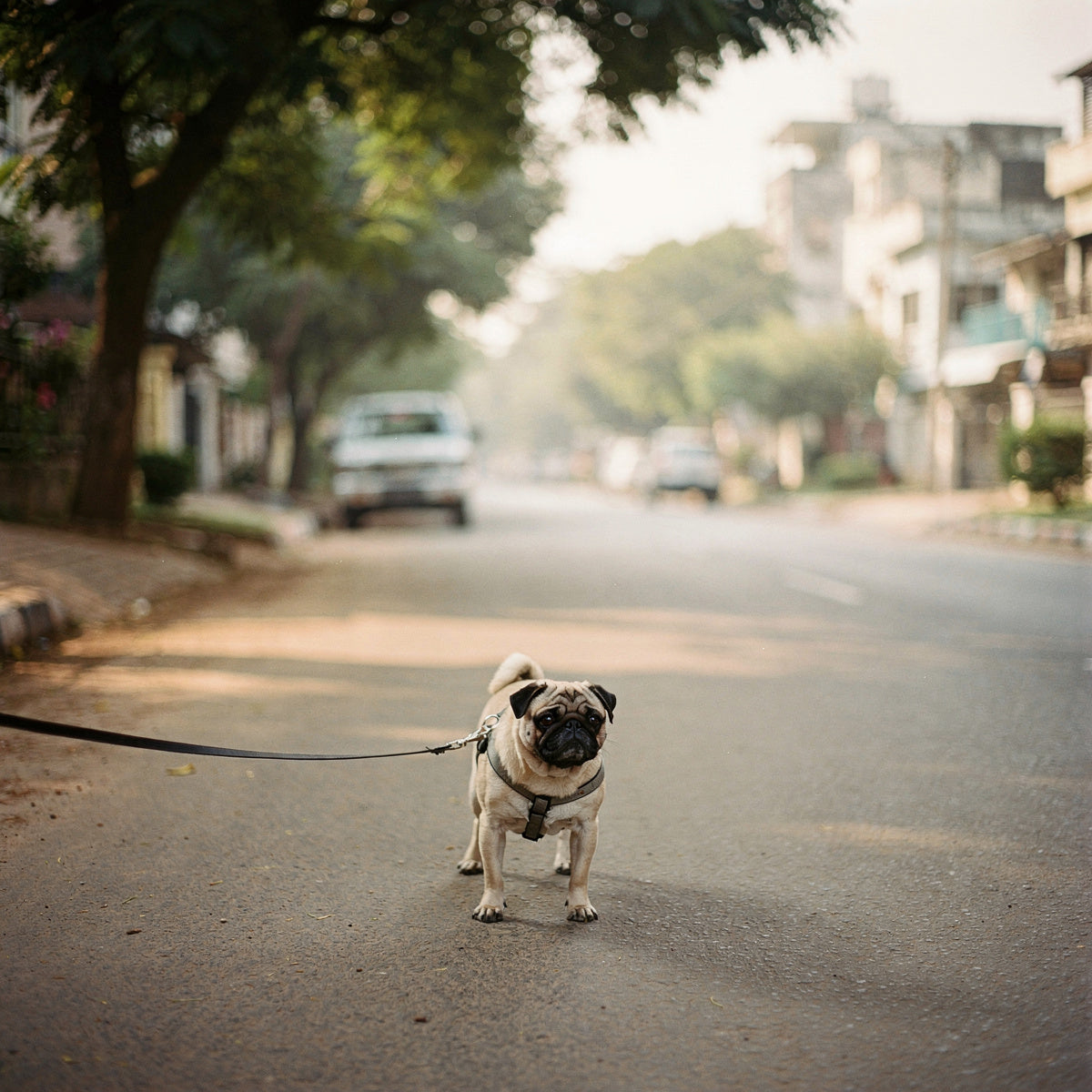
In Hyderabad's climate, the best windows for high-intensity outdoor activity are early morning before 7:30 AM and after 7 PM. During peak summer months from March to June, midday exercise is not just uncomfortable — it can be dangerous, especially for flat-faced breeds like Pugs and French Bulldogs. Plan around the heat, not against it. A well-fitted harness and a good leash make those early morning runs much easier to manage.
Can lack of exercise cause my dog to gain weight?
Absolutely, and it happens faster than most people expect. A dog that isn't moving enough will put on weight even on a normal diet, and those extra kilos create a cycle that's hard to break — more weight means joints hurt more, so the dog moves less, so more weight accumulates. We've seen this particularly in Beagles, Dachshunds, and Labs, all of whom have big appetites and a talent for looking underfed even when they're not.
Weight gain in dogs isn't just a cosmetic issue. It puts pressure on the heart, the joints, and the liver. If your dog's waist has disappeared when you look from above, or you can no longer feel their ribs without pressing hard, exercise levels need to go up and diet probably needs a review too. Your vet can confirm what a healthy target weight looks like for your specific dog's size and breed.
Why is my dog losing muscle even though they eat well?
Muscle needs to be used to stay. Dogs who get only gentle, slow movement over months will lose muscle tone gradually, and you'll notice it most in the hindquarters and the back. The dog may seem stiff getting up, hesitate before jumping onto furniture they used to leap onto without thinking, or tire out on shorter walks than before.
This is more common in middle-aged dogs between five and eight years old whose owners have gradually reduced activity levels without realizing it. The fix isn't aggressive — you can't suddenly go from no exercise to an hour of fetch and expect a good outcome. Build up slowly, especially with older dogs, and make high-intensity activity a regular part of the week rather than an occasional event.
What counts as high-intensity exercise for dogs?
Walking is great, but it's low intensity for most dogs. High-intensity means the dog is actually working hard — sustained fetch, off-leash running in a safe open area, swimming (which is brilliant for joints and very effective), tug games, agility work, or running alongside a bicycle for dogs built for it. The goal is to get the dog panting properly and genuinely tired.
For apartment dogs in Gachibowli, indoor play can supplement outdoor sessions. Tug, hide-and-seek with kibble, and staircase runs all count. Mental exercise through puzzle feeders helps too, though it doesn't replace physical output. Check out our full range of dog products if you're looking for gear to support a more active routine.
If your dog is starting a more intensive exercise routine after a period of lower activity, or if they're a senior dog, it's worth a quick check with a vet first. A vet can assess whether there are any joint or cardiac concerns to factor in before you ramp things up.
Most behavioral problems that owners find frustrating — the barking, the chewing, the hyperactivity at home — have a much simpler root cause than people expect. A dog that's physically tired from real exercise is a dog that's easier to live with, easier to train, and genuinely happier. Get the exercise right first, then reassess everything else.
Frequently Asked Questions
How much exercise does a dog actually need per day in Hyderabad's heat?
Most medium to large dogs need at least 45 to 60 minutes of meaningful exercise daily, not just slow walks. In Hyderabad's summer, split this across early morning and evening sessions to avoid heat exhaustion. Toy breeds need less, but still benefit from at least 20 to 30 minutes of active play each day.
My dog is an Indie mix. Do they need as much exercise as a purebred?
Yes, and sometimes more. Indian street dog mixes are often highly active, intelligent, and built for endurance. They tend to be very under-exercised in apartment settings because owners assume smaller size means lower energy. Most Indie mixes do best with at least one long off-leash run or sustained play session per day.
Can I exercise my dog inside if it's too hot outside?
You can supplement with indoor activity, but it rarely replaces outdoor exercise fully. Tug games, fetch in a long corridor, staircase work, and training sessions that require focus all help. Puzzle feeders and sniff games burn mental energy too. But for true physical output, early morning outdoor sessions before the heat sets in are still the best option most of the year.
My dog seems tired after walks but is still destructive at home. Why?
Slow walks don't always produce enough physical fatigue to calm a high-energy dog. If the walk doesn't get your dog genuinely panting and tired, it's not intense enough to discharge their energy. Try switching to fetch, jogging, or tug sessions and see if the destructive behavior reduces within a week or two. If it doesn't improve at all, a vet check for anxiety or other issues is worth considering.