How to Tell If Your Dog's Food Is Actually Working
Switched your dog's food and wondering if it's actually making a difference? Here's what to look for in coat, digestion, energy, and weight — and how long to wait before judging.
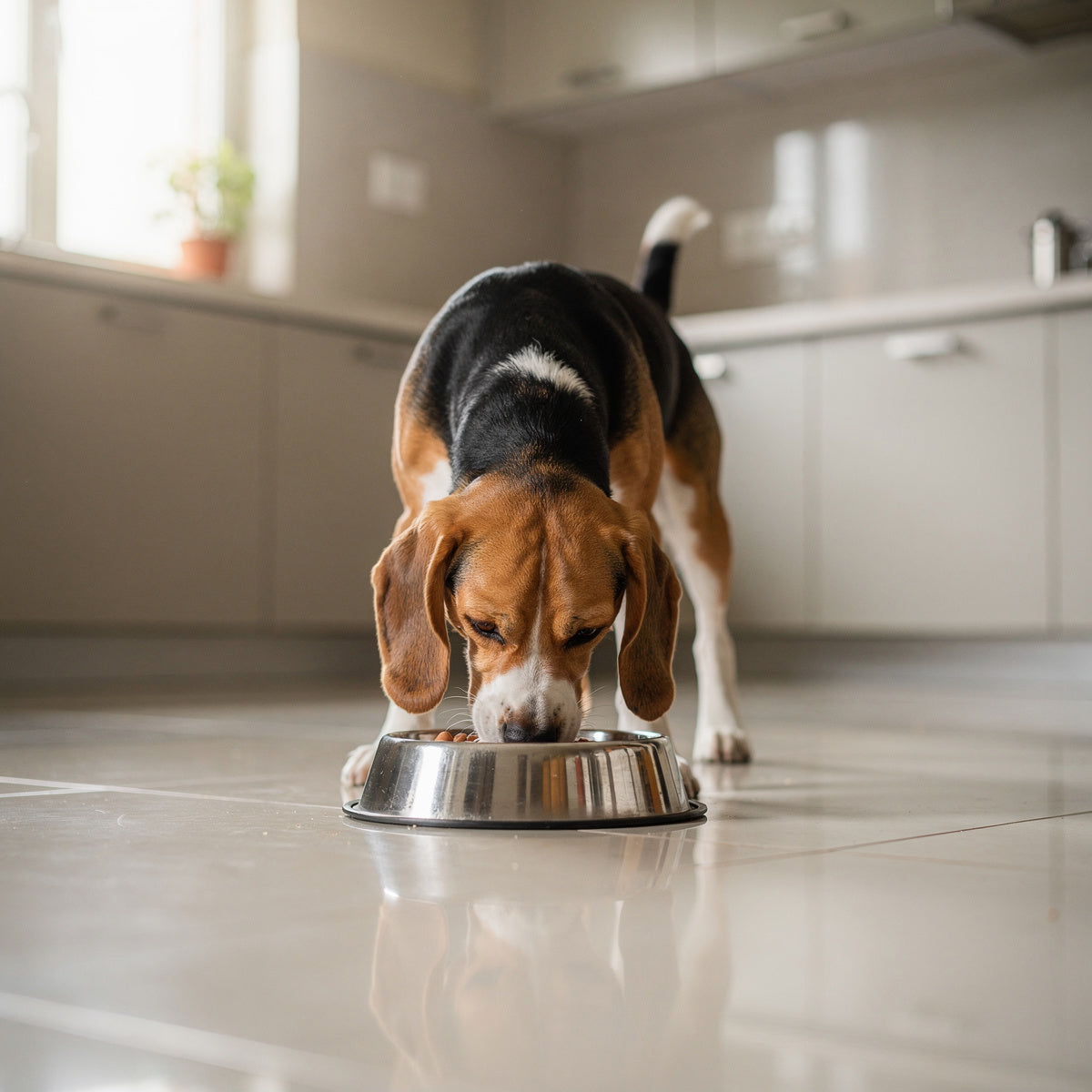
We hear this question constantly at our store in Gachibowli: "I switched my dog's food two weeks ago. How do I know if it's actually working?" It's a fair thing to wonder. Good dog food doesn't come cheap, and you're not going to keep paying for something that isn't showing results. The problem is most pet parents don't know what to look for beyond the obvious — is the dog eating it? That's just the starting line.
Real nutrition shows up in specific, observable ways. You just need to know where to look and how long to wait. Let's go through what actually matters.
How long does it take to see results from a new dog food?
Give it at least four weeks before you judge anything. We always tell customers: the first week is the transition, the second week is adjustment, and weeks three and four are when the body starts responding to consistent nutrition. If you switch a dog's food every ten days because "nothing seems to be changing," you'll never see results from anything.
A customer came to us last month with a 4-year-old Labrador who'd been on the same food for a year, and she was convinced the food wasn't working because his coat looked dull. When we asked how long she'd been seeing this, she said "always" — which means the food probably was working, just not doing miracles it couldn't do alone. Coat condition is influenced by food, yes, but also by bathing frequency, the Hyderabad heat and humidity, and whether the dog is getting enough water.
All of that matters when you're reading the results.
What does a healthy coat actually look like on a well-fed dog?
A coat that's responding well to good nutrition feels smooth when you run your hand through it. Not oily, not dry, not flaky at the base. On short-coated breeds like Beagles, Boxers, or Indian Pariah dogs, you'll notice a visible sheen — almost like a low shine, not greasy. On longer-coated breeds, the fur should separate cleanly and not clump.
Dull, rough, or constantly shedding coats often point to a diet low in omega fatty acids. If your dog's food doesn't list fish oil, flaxseed, or salmon as an ingredient, that's worth checking. Excessive shedding during Hyderabad summers is partly seasonal, but if it goes on well past May-June, the food is worth re-examining.
Skin issues like flakiness or hot spots can also trace back to diet, though allergies complicate this. If you're seeing persistent skin problems, a vet can help rule out food allergies before you spend money changing brands repeatedly.
Is my dog's digestion normal? What to watch for
This one gets overlooked because nobody wants to talk about poop. But honestly, stool consistency is one of the most reliable indicators of whether a food agrees with your dog. Healthy digestion produces firm, formed stools that aren't too hard and don't fall apart. Soft, frequent, or mucus-covered stools on a consistent basis usually mean the food isn't sitting right — either the protein source doesn't suit the dog, or the fibre balance is off.
Gas is another signal. Some gas after meals is fine. If your dog is uncomfortable, bloated, or gassy all day, the food is either being eaten too fast or isn't being digested efficiently. Using a slow feeder bowl can fix the speed issue. If switching to a slow feeder doesn't help within a week, the food itself is likely the problem.
Dogs with sensitive stomachs often do better on single-protein foods — one meat source rather than three. This is especially true for Indian breeds and mixed-breed dogs in urban areas, who tend to have more reactive digestive systems than breeds like German Shepherds or Huskies that were bred on very specific, consistent diets.
Energy levels and appetite — what's normal?
A dog who's eating well should have consistent energy through the day. Not hyperactive, not lethargic. If your dog finishes a meal and then sleeps heavily for hours feeling sluggish, the food might be calorie-dense but not nutrient-dense — there's a difference. Dense carbohydrate fillers like corn and soy cause a kind of food crash in some dogs, similar to how a heavy rice meal feels in the afternoon heat.
Appetite is a slightly trickier signal because dogs vary. Some dogs are enthusiastic eaters regardless of what's in the bowl. But if a dog who used to eat readily starts leaving food behind, it's either that the food has gone slightly stale (store it in an airtight container, not just folded-over bags), or the palatability isn't holding up long-term. Some foods smell great when the bag first opens and fade by the second week.
Puppies and senior dogs need special attention here. A 3-month-old puppy should be eating with obvious enthusiasm at every meal — if they're picking at food or eating inconsistently, get it checked. Senior dogs sometimes reduce intake naturally, but dramatic drops in appetite at any age need a vet's eye on them.
What about body weight and muscle condition?
You should be able to feel your dog's ribs without pressing hard, but not see them clearly from across the room. That middle ground is what good nutrition maintains. If ribs are jutting out visually, the food isn't providing enough calories or the dog isn't absorbing them. If you can't feel the ribs at all, you're likely overfeeding — which happens a lot with high-calorie premium foods when owners continue using the same cup measurements they used for a cheaper brand.
Muscle condition matters too, especially for active breeds. A dog who walks well, can run without tiring quickly, and has a visible waist when viewed from above is in good nutritional shape. This is where you really see quality protein doing its job over time.
If your dog needs a full nutrition assessment or you want personalised food recommendations based on their breed and age, come talk to us at our Hyderabad shop or reach out through our contact page. We stock a wide range of options across our dog products collection, and we'd rather help you find the right fit than have you guess your way through five different bags.
Good nutrition is slow work. The dog who looks incredible at the park has usually been on a consistent, appropriate diet for months — not weeks. Give it time, pay attention to the right signals, and you'll know when the food is doing its job.
FAQs About Dog Food Results
My dog's coat was getting better but now looks dull again. Did the food stop working?
Not necessarily. In Hyderabad, the shift between summer and monsoon season stresses skin and coat significantly. Humidity causes some dogs to shed more and look flatter. Check the food's storage — moisture getting into the bag can degrade the fats that support coat health. If everything else is stable, it's likely seasonal. If you're also seeing itching or flaking, bring them in for a quick check.
How do I switch dog food properly without causing stomach problems?
Transition over 7 to 10 days. Start with 25% new food mixed into 75% old, then move to 50/50 by day four, then 75% new by day seven, and full switch by day ten. Rushing this is the most common reason dogs get loose stools on a new food — not that the food itself is bad, just that the gut bacteria need time to adjust.
Is Indian-made dog food as good as imported brands?
Some Indian brands have genuinely improved formulations in the last few years and are made for dogs that live in Indian climates and temperatures. Imported brands aren't automatically superior — some are formulated for cold-climate breeds and very different activity levels. The better question is whether the ingredient list matches your dog's needs, not where it was made.
My dog eats well but is still underweight. What could be wrong?
Intestinal parasites are the first thing to check — this is common in India and easily treated. Even a dog eating good food won't absorb nutrients properly if there's a worm burden. Make sure your deworming schedule is current. If that's all clear, the food's caloric density might just not be high enough for your dog's activity level, or there may be an underlying health issue worth checking with a vet.