Reading Your Dog's Body Language: A Practical Guide
Your dog is sending signals constantly, and most of us are only reading half of them. Here is how to understand what your dog's body is really saying.
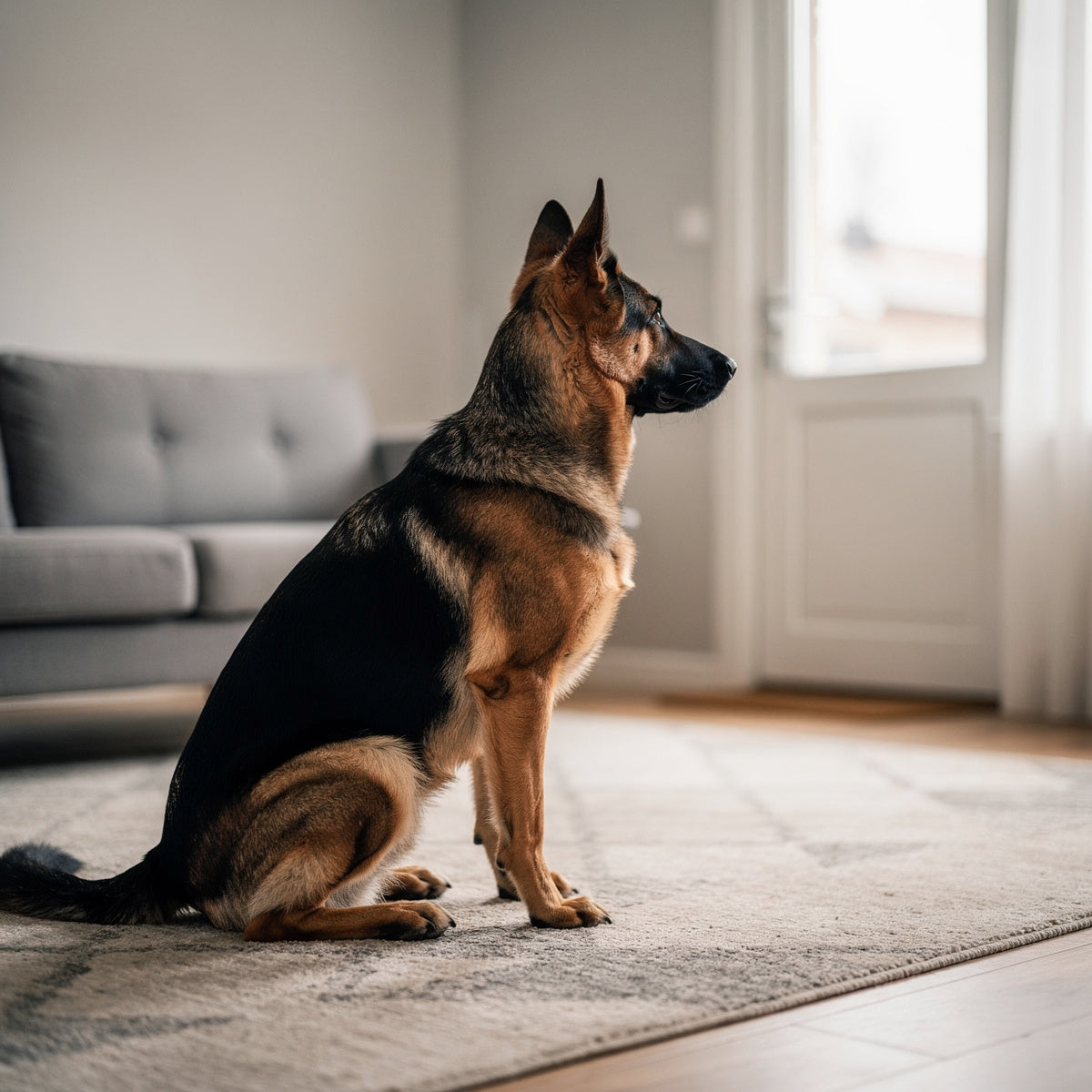
Dogs never stop talking. They just don't use words. Every time your dog shifts his weight, freezes mid-step, or suddenly goes very still when a stranger walks in, he is telling you something. The problem is most of us were never taught how to listen.
We see this every single day at our store in Gachibowli. A dog walks in wagging his tail and the owner says, "He's happy, don't worry!" But the tail is stiff, the ears are pinned back, and the dog is leaning away from us. That is not a happy dog. That is a dog tolerating a situation he is not comfortable with. Missing that difference matters, especially in a busy place with strangers and other animals nearby.
Learning to read your dog does not require a trainer's certification. It requires slowing down and paying attention to the whole picture, not just the one part you already recognize.
Why does understanding dog body language actually matter?
Most dog bites do not come out of nowhere. In almost every case, the dog gave signals before things escalated. A stiffened body, a hard stare, a low growl that got ignored. People often say the dog "snapped without warning" when really, the warning was there and nobody recognized it.
This is especially relevant for families with children. Kids move fast, make unpredictable sounds, and get close to dogs' faces. A dog who is uncomfortable will signal that discomfort first. If the adults around them cannot read those signals, someone eventually gets hurt. That is not the dog's fault.
Beyond safety, reading your dog well means you can actually respond to what he needs. Is he asking for play or asking for space? Is he excited about the walk or anxious about it? The difference changes how you handle the situation completely.
What is your dog's face telling you?
The face is where most people start, which makes sense. But a lot of common interpretations are wrong.
Take the "smile." When a dog pulls his lips back and shows his teeth, many owners say their dog is smiling at them. Sometimes that is actually true. A submissive grin, usually seen when a dog is greeting someone they are very comfortable with, does involve showing teeth but the rest of the dog is loose and wiggly. The body gives it away.
But the same teeth-showing expression paired with a stiff body, a hard stare, and raised fur along the spine is an entirely different message. That dog is not happy. He is warning you. Confusing the two is a genuine problem.
The eyes tell you a lot on their own. Soft, slightly squinted eyes usually mean a relaxed dog. Wide, round eyes where you can see the whites at the edges, what people in training circles call "whale eye," mean the dog is stressed or uncomfortable. You will sometimes see this when a dog is being hugged by someone he does not fully trust. The body goes still, the eyes go wide and dart sideways. That dog wants out of that situation.
Ears are another reliable indicator. Forward-facing ears typically signal alertness or interest. Ears pinned flat against the skull usually mean fear, though in some dogs it is also a submissive greeting signal. The key is always to read the ear position alongside the rest of the body, never in isolation.
Does tail wagging always mean a dog is happy?
This is the one we get asked about most often. No, it absolutely does not.
A tail wag tells you a dog is emotionally aroused. That arousal can be excitement, happiness, anxiety, or aggression. What tells you which one you are dealing with is the position and the quality of the wag.
A loose, wide tail wag where the whole backend is swinging side to side, sometimes called a "helicopter tail" in big dogs, is a genuinely happy dog. A tail held high and wagging in short, stiff flicks is a dog that is alert, potentially worked up, and not necessarily friendly. A tail tucked between the legs and wagging slightly low is a stressed or fearful dog trying to appear non-threatening.
We had a customer a few months ago with a 4-year-old Labrador who kept getting into scuffles at the apartment complex park. The owner was baffled because the dog was "always wagging." When we looked at a video she shared, the Lab's tail was high and stiff every time before the incident. The other dogs were reading that correctly even if the owner was not.
How do you spot stress and anxiety before they become a problem?
Hyderabad summers are brutal, and a lot of dogs deal with heat stress on top of regular anxiety triggers. Festival season brings firecrackers. Construction noise in Gachibowli is basically constant. Knowing what stress looks like in your dog means you can step in earlier.
Early stress signals are easy to miss because they look almost normal. Yawning when the dog is not tired. Licking lips repeatedly when there is no food around. Shaking off like they are wet when they are completely dry. These are called "calming signals" and dogs use them to manage their own stress and communicate to others that they mean no harm.
Slightly more obvious: panting more than the temperature warrants, pacing, refusing food they normally love, or hypervigilance where the dog cannot settle and keeps scanning the environment. If your dog shows these signs during car rides, at the vet, or during loud nights, those are stress responses worth addressing rather than waiting out.
A dog that is consistently anxious in certain environments will sometimes benefit from something as simple as a properly fitted harness over a collar pull, which reduces physical discomfort and can help a dog feel more secure on walks. We have seen it make a noticeable difference.
Does breed change how you read body language?
Yes, significantly. This is where people get caught out.
Dogs with docked tails, like some Rottweilers or Cocker Spaniels, cannot give you the full tail signal. You have to rely more on the rest of the body. Dogs with heavy facial folds, like Bulldogs or Pugs, are harder to read because their resting expression already looks intense. Northern breeds like Huskies or Spitz types often carry their tails curled over their backs normally, so tail position reads differently than it would on a Labrador.
Indian pariah dogs and their mixes, which are incredibly common across Hyderabad, tend to be highly expressive and socially intelligent. They communicate clearly if you watch them. But they can also be more reactive to perceived threats, especially street-origin dogs that were adopted, because their early experiences shaped them differently. Reading them requires knowing a bit of their history too.
A young Golden or Lab puppy is going to throw every calming signal in the book when meeting new dogs, which is appropriate. An adult rescue that went through a rough shelter period might shut down completely under stress rather than showing obvious distress signals. Same emotion, very different expression.
Putting it together in real situations
Reading body language is not about identifying one signal and acting on it. It is about reading the whole dog. Loose body, soft eyes, low wagging tail and forward-leaning posture toward you? That dog is comfortable and glad to see you. Stiff body, weight shifted slightly back, tail high and still, hard stare? Give that dog space regardless of what the tail is technically doing.
Practice this on your own dog first. Spend a week just watching him without interacting, noticing what his body looks like when he is genuinely relaxed versus when something has his attention. Once you know his baseline, everything that deviates from it becomes easier to catch.
If you have a dog who is consistently showing stress signals at home, it is worth looking at whether his environment is set up well for him. A dog without a proper retreat space, a calm corner or a comfortable bed that is his own, has nowhere to decompress. That adds up over time.
And if the behaviour concerns you beyond what observation and small changes can fix, a vet can help rule out medical causes for anxiety or reactivity, because sometimes what looks like a behaviour issue is actually pain or a hormonal imbalance driving the response.
Your dog is communicating with you constantly. He always has been. The more you understand what he is actually saying, the better the relationship gets, for both of you.
Browse our full range of dog products at Cuddle Paws, or stop by our Hyderabad shop and we are happy to chat about what your dog might be trying to tell you.
Frequently asked questions about dog body language
My dog growls at strangers but wags his tail at the same time. Which one should I trust?
Trust the growl. A simultaneous wag and growl just means the dog is in conflict, aroused and uncertain. The growl is the dog's way of saying he is uncomfortable and needs more space. Do not punish the growl either. It is communication, and suppressing it means you lose your early warning signal.
Is it true Indian street dogs are more aggressive and harder to read?
Not more aggressive, no. Street-origin dogs are often extremely socially intelligent because survival required it. But dogs that had difficult early lives may express stress differently, sometimes going very quiet and still rather than showing obvious signals. They are absolutely readable once you learn their individual baseline. Spend time with them in low-pressure settings first.
My dog gets very worked up during Diwali and Dussehra. Is that body language I can manage at home?
Firecracker anxiety is genuinely tough and very common in Hyderabad. Watch for panting, pacing, refusing food, hiding, or trembling. Creating a safe, covered space for your dog before the noise starts helps. Closing windows and playing steady background sound can reduce the impact. If it is severe, speak to a vet about whether additional support is appropriate for your dog.
How do I know if two dogs playing together are actually having fun or if it is getting too rough?
Play should be reciprocal and self-interrupting. Both dogs should be taking turns chasing and being chased, and they should naturally pause every minute or two before re-engaging. If one dog is consistently trying to get away and the other is not reading that, it is no longer mutual play. Loose, bouncy bodies are good. Stiff bodies, pinned ears, and one dog going very still under another are signs to step in.