Pet Clothing Guide: What Your Dog Actually Needs
Dog clothing isn't always about the look — sometimes it's about real comfort and protection. Here's how our Gachibowli team thinks about what your dog actually needs versus what's just cute.
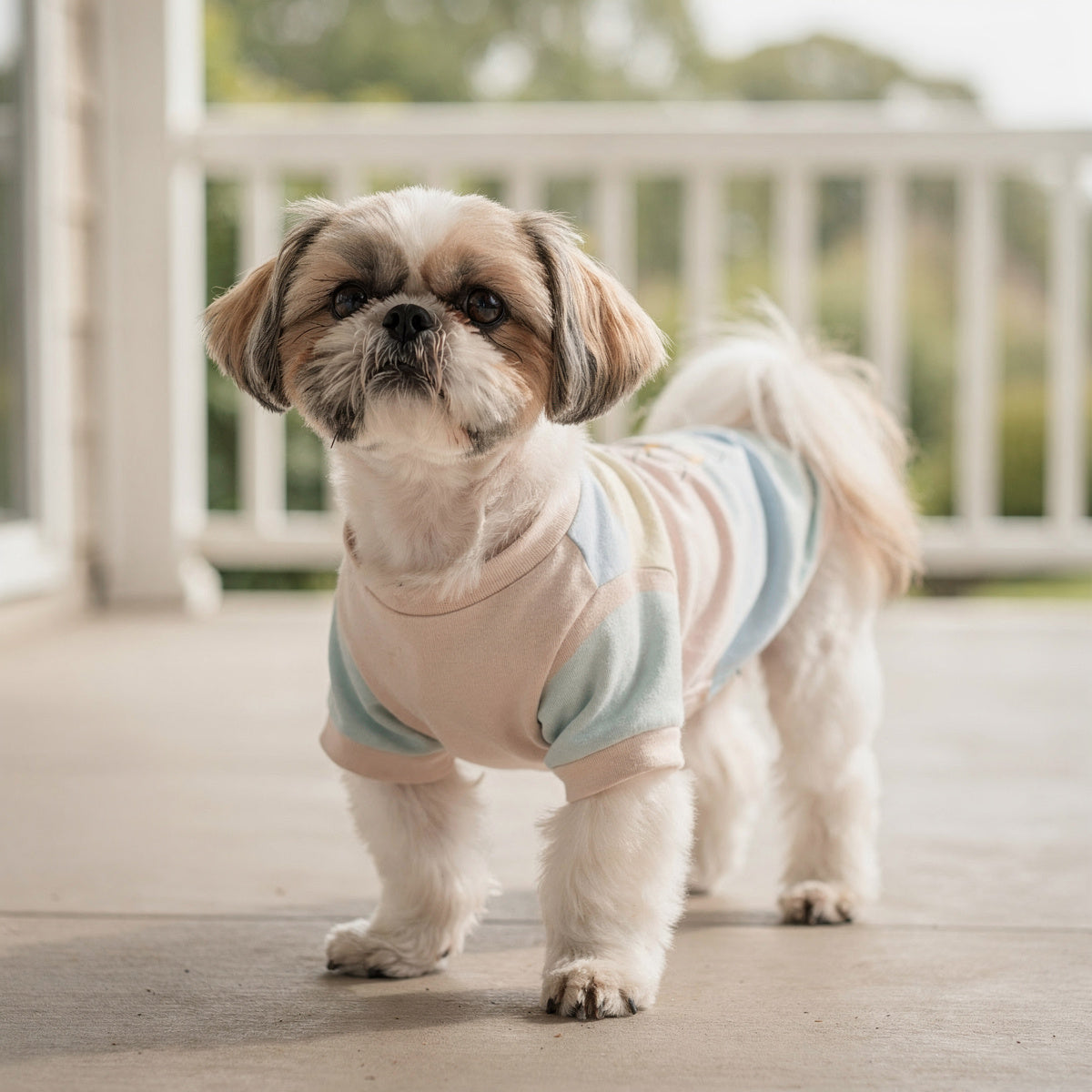
Let's be honest — when you first see a dog wearing a tiny hoodie, the reaction is almost always "that's adorable." But whether or not your dog actually needs that hoodie is a completely different question, and one we get asked at our Gachibowli store more often than you'd think. The answer isn't straightforward, and it really comes down to your dog's breed, coat type, age, and what the weather outside is actually doing.
We had a customer a few months back with a four-year-old Dachshund — a breed with very little body fat and a short, thin coat. She used to skip putting anything on him during Hyderabad's December evenings because she thought "it's not that cold here." But Dachshunds genuinely feel the chill, and he was visibly shivering on their morning walks near the Durgam Cheruvu trail. Once she got him a well-fitted fleece jacket, he was a different dog — calmer, more willing to walk, actually enjoying himself. That's the difference the right clothing makes when it's actually necessary.
Does every dog in India need clothes?
Short answer: no. A healthy adult Labrador or a German Shepherd with a dense double coat has no business wearing a jacket in Hyderabad winter. Their coats are doing exactly what nature designed them to do. Dressing them up in warm layers can actually cause overheating, especially if you're walking them around noon.
The dogs who genuinely benefit from clothing here in India are the ones with thin single coats — Greyhounds, Dobermanns, Dachshunds, Chihuahuas, Italian Greyhounds, and most small indie breeds that have been raised indoors. Senior dogs also lose their ability to regulate body temperature as efficiently, so a light layer during cooler months isn't unnecessary sentimentality — it's practical care. The same logic applies to puppies under three months, who haven't fully developed their thermoregulation yet.
What fabrics actually work in Hyderabad's climate?
This is where people go wrong most often. Someone spots a thick woollen dog sweater online and buys it because it looks warm. What they don't account for is that Hyderabad isn't exactly Shimla. Even in January, afternoons here can hit 25°C, and a heavy woollen piece will have your dog panting by 10 AM.
For our climate, cotton is your first choice for everyday wear — breathable, soft against skin, and easy to wash. Fleece-lined pieces work well for early morning walks between November and February, when temperatures in Gachibowli can dip to 13-15°C overnight. Avoid synthetic fabrics that don't breathe. They trap moisture and heat, which in a tropical climate means skin irritation and hot spots are only a matter of time.
Monsoon season is its own category entirely. If you walk your dog during Hyderabad's July-August rains, a waterproof raincoat isn't a luxury — it's genuinely useful. A wet dog isn't just uncomfortable; dogs who stay damp for extended periods are more prone to fungal skin infections, which we see a lot of during the rainy season. A well-fitted raincoat that covers the back and belly without dragging on the ground makes the walk easier for both of you. Take a look at our monsoon raincoats — we stock options specifically suited for the Indian rainy season.
How to tell if the fit is right
A poorly fitted outfit is worse than no outfit at all. If it's too tight, it restricts your dog's movement and can cause real anxiety — dogs communicate through body language, and clothing that binds their legs or compresses their chest interferes with that. Too loose, and you've got a tripping hazard, especially on stairs or uneven terrain.
The rule of thumb we use in-store: you should be able to slide two fingers comfortably under any part of the clothing. Your dog should be able to sit, lie down, and do a full stretch without the fabric pulling or bunching. Watch how your dog moves in it for the first five minutes. If they're freezing up, walking stiffly, or constantly trying to scratch it off — that's not stubbornness, that's feedback.
Also check where the leg openings sit. If they're cutting into the armpits, you'll see rubbing and hair loss there pretty quickly. And please — measure your dog before buying online. Chest girth and back length matter far more than body weight when it comes to sizing pet clothing accurately.
Safety details most people overlook
Small decorative elements are the biggest concern here. Buttons, bow ties, loose ribbons, or anything dangling off the outfit is a potential choking hazard for dogs who like to chew things — which is most dogs. If you're buying something with embellishments, check that they're securely stitched and not easy to pull off.
If your dog wears a harness for walks, check that the clothing either has an opening for the harness clip or is thin enough that the harness fits over it without slipping. There's nothing more frustrating than being halfway through a walk near HITEC City and realizing the harness has slid out of position because it's sitting awkwardly over a thick jacket. Our harness collection includes options that are designed to work with or without clothing layers, which is worth keeping in mind if you dress your dog regularly.
One more thing — reflective detailing on evening wear genuinely matters. If you walk your dog after dark anywhere near the roads off Nanakramguda or along Financial District service lanes, visibility is poor. A jacket with reflective strips isn't just a design choice. It's something drivers actually notice.
When to just leave the outfit at home
Hot days — skip it entirely. If it's 30°C and sunny, your dog does not need a cotton vest. They need shade, water, and cooler walking hours. Clothing in hot weather restricts air circulation around their body and makes it harder for them to cool down, since dogs primarily regulate heat through panting and through their paws. Covering their body adds work to an already taxed system.
Also pay attention to stress signals. If your dog is panting heavily while dressed (when it isn't hot), tucking their tail, flattening their ears, or refusing to move — take the clothing off. Some dogs never fully adjust to wearing anything, and that's okay. Forcing the issue doesn't help anyone. If your dog tolerates a raincoat but hates everything else, just use the raincoat when it's raining and leave it at that.
We carry a range of dog clothing at our Hyderabad shop, and we're always happy to help you figure out what your specific dog actually needs — not just what looks good on them. If you're shopping for winter specifically, our winter jackets and sweaters are stocked with Indian weather in mind, not imported temperatures.
The goal with pet clothing is simple: your dog should be more comfortable with it than without it. If that's not what's happening, something is off — the fit, the fabric, or the need itself. Start there, and the rest gets much easier.
FAQs: Pet clothing for dogs in India
Do Indian dogs like Indie breeds need winter clothing?
It depends on the individual dog and where they live. An Indie dog that grew up outdoors has adapted to local temperatures and usually handles Hyderabad winter just fine. But an Indie that has been raised indoors in an air-conditioned apartment may actually feel the cold more than you'd expect. Watch for shivering, reluctance to go outside, or curling up tightly — those are signs your dog is cold regardless of breed.
My dog hates wearing clothes. Should I force it?
No. If your dog is genuinely distressed by clothing, forcing it isn't going to make them accept it faster — it usually makes them more averse to it. If there's a practical reason they need it (medical reasons, surgery recovery, extreme weather), work with a trainer on gradual desensitization. Otherwise, it's okay to let it go.
Can my dog wear their harness over a jacket?
Usually yes, but test it before heading out. Put the jacket on, then fit the harness over it and check that it sits securely and isn't riding up or twisting. Slim-fit jackets and fleece layers generally work better under a harness than bulky padded coats.
Is there a risk of skin problems from wearing dog clothes too often?
Yes, if the clothing is unwashed, made from non-breathable synthetic fabric, or worn for too many hours continuously. Wash your dog's clothing regularly, let their skin breathe between wears, and check for any redness or irritation under the collar area and armpits where friction is highest.