How to Get a Lazy Dog to Exercise: Tips That Actually Work
Got a dog who treats the leash like a personal insult? Here's how to actually get them moving — no generic advice, just what works for Indian pet parents dealing with real conditions.
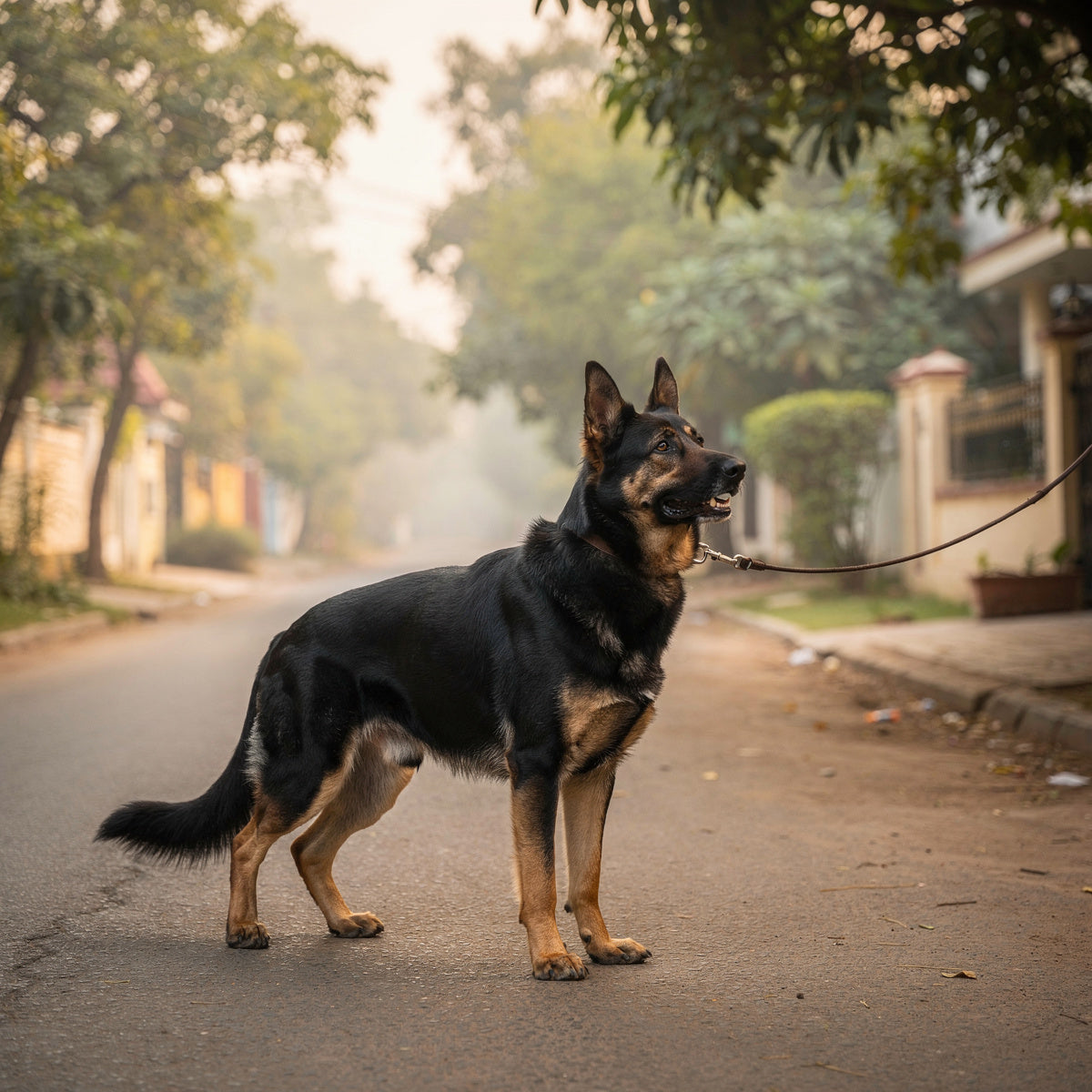
Some dogs wake up ready to sprint laps around the apartment. Others look at you like you've personally offended them when you reach for the leash. If your dog falls into that second category, you're not alone. We see this fairly often at our store in Gachibowli — pet parents frustrated because their dog is healthy by all accounts, but just... refuses to move. A customer came in a few weeks ago with a four-year-old Beagle who'd been turning down walks since the summer heat peaked. She wasn't sure if it was laziness, the weather, or something else entirely.
The answer is usually a mix of all three, plus a few things most owners don't think to check.
Why Is My Dog So Reluctant to Exercise?
Before you try to fix the problem, it helps to understand what's actually going on. A dog who refuses to walk or play isn't always being stubborn. Pain is a big one — joint issues, paw pad sensitivity from hot pavement, or even an undiagnosed injury can make movement uncomfortable. Hyderabad summers are brutal. Pavement in Gachibowli at 11am can hit temperatures that genuinely burn paw pads, and plenty of dogs have figured out that going outside feels terrible. Can you blame them?
Then there's the energy equation. Dogs who are overfed and under-stimulated mentally often become physically sluggish too. And some breeds — Shih Tzus, Bulldogs, Pugs — are simply built for shorter, calmer activity. Expecting them to behave like a Border Collie is setting everyone up for disappointment.
If the reluctance came on suddenly and your dog used to be more active, that's worth a vet visit. Ruling out a health issue is always the right first move. Book an appointment with a vet.
Start With Something Your Dog Actually Enjoys
Here's the thing about building an exercise habit in a reluctant dog — you don't start with the exercise you want them to do. You start with whatever gets their tail moving. For some dogs, that's a game of tug in the living room. For others, it's chasing a ball down a hallway for five minutes before dinner. The activity doesn't matter much at first. What matters is creating a pattern where movement feels good.
Once your dog associates a certain activity with fun and rewards, you expand from there. Add a short walk after the indoor play session. Slowly stretch those walks from five minutes to ten, then fifteen. Don't push the pace early on. A dog who's been mostly sedentary needs time to rebuild stamina, just like a person coming back from a long break from exercise.
Keep early sessions short enough that you end on a high note. Stopping while your dog still has a bit of energy left means they finish the session wanting more — which is exactly where you want them.
Does the Time of Day Actually Matter for Dog Walks in Hyderabad?
Yes. More than most people realize. Walking a dog at noon in Hyderabad from April through June is genuinely a bad idea, and if your dog is digging in their heels about walks, the timing might be the entire problem. Early morning — before 8am — and evenings after 6:30pm are your windows. Even then, touch the pavement with your hand before you head out. If you can't hold it there for five seconds, it's too hot for paws.
Monsoon season brings its own issues. Dogs who were fine with walks can become anxious about thunder or just dislike being wet. A light raincoat helps more than you'd expect — check out our monsoon raincoats if your dog protests the moment they see clouds.
Gear That Makes a Real Difference
The right equipment changes the experience for both of you. A dog who pulls constantly and then gets corrected is going to associate walks with discomfort. A dog who chokes themselves on a collar when they spot a cat is going to feel terrible and stop wanting to go out. Switching to a well-fitted harness takes a lot of that tension out of the equation. Our no-pull harness collection is worth looking at if leash walks feel like a battle — a front-clip harness gives you control without putting pressure on the throat, which makes the whole walk calmer for a dog who's already reluctant.
For evening walks, especially around the tech parks and roads near Gachibowli, visibility matters. A reflective harness is a genuinely useful piece of kit, not just a nice-to-have.
What About High-Intensity Activity — Is That Even Realistic?
For some dogs, yes. For others, no, and that's fine. The goal isn't to turn every dog into an athlete. It's to find the level of activity that keeps them healthy and mentally stimulated. For a young Labrador or an Indian Pariah dog with good joints, building up to higher-intensity play like fetch sprints, swimming, or agility games is absolutely realistic. For a seven-year-old Pug or a dog recovering from an injury, moderate daily walks and some mentally enriching games are genuinely enough.
Swimming is underrated in India. It's low-impact, most dogs who discover it love it, and it burns a surprising amount of energy without stressing joints. If you have access to a safe water source — a dog-friendly pool or a clean lake — it's worth trying.
Puzzle feeders and sniff games also count as exercise in a meaningful way. Mental effort tires dogs out. A fifteen-minute sniff walk where your dog gets to explore at their own pace is more exhausting for them than a brisk ten-minute structured walk. This is something we tell a lot of apartment-dwelling pet parents in Gachibowli who feel guilty that they can't give their dogs space to run freely.
Using Rewards Without Creating Dependency
Treats work. There's no reason to overthink this. If a small piece of chicken or a training treat gets your dog out the door and engaged, use it. The key is fading the food reward gradually as the behaviour becomes habitual — you don't want a dog who will only walk if you're holding a biscuit at head height the whole time.
Pair food rewards with verbal praise and physical affection from the beginning so your dog learns that your excitement and a good scratch behind the ears also signals a job well done. Over a few weeks, the treats can become intermittent, then occasional, then just a bonus for really good days.
Play can be a reward too. Some dogs couldn't care less about food but go absolutely wild when you bring out a specific toy. Figure out what your individual dog finds most motivating and use that.
When to Stop Pushing and Just Accept Your Dog's Pace
This is the part that doesn't get said enough. Some dogs, especially older ones or those with health conditions, are never going to be high-energy exercise partners. Forcing activity on a dog who is in pain or genuinely exhausted causes stress and can damage trust. Know the signs of a dog who's done — lagging behind, panting heavily, lying down mid-walk, looking back toward home. These aren't stubbornness. These are communication.
If your dog is consistently struggling with activity levels that used to be easy, book a proper check-up. Arthritis in dogs often goes undiagnosed longer than it should because the signs look like laziness. A vet can help figure out what's actually going on.
Frequently Asked Questions
My dog refuses to walk in Hyderabad summers. What should I do?
Shift your walk times to early morning before 8am or evening after 6:30pm. Test the pavement temperature with your hand — if it's too hot for you to hold your palm down for five seconds, skip the walk or find a shaded route. Indoor play and mental enrichment games can fill the gap on extremely hot days.
Is it okay if my dog only gets short walks? Is that enough exercise?
It depends on the breed and age. A Beagle or Indie dog needs more than a five-minute stroll. A Shih Tzu or Pug can manage well with shorter, consistent walks. The key is that activity should happen daily. Combine physical walks with sniff games and puzzle feeders for better overall stimulation, especially in smaller apartments.
Can Indian street dogs (Indie dogs) be lazy about exercise?
Absolutely. Indie dogs that have been adopted and transitioned to apartment life can become quite sedentary if not encouraged to stay active. They're adaptable but do need daily walks and mental engagement. The good news is they're generally sturdy and respond well to positive reinforcement and routine.
Should I use a harness instead of a collar for a dog who resists walks?
For most dogs who pull, resist, or find walks uncomfortable, yes — a harness is better than a collar. It distributes pressure more evenly, eliminates throat strain, and gives you better control without causing discomfort. A front-clip no-pull harness is worth trying if your dog currently fights the leash.