How to Choose the Healthiest Food for Your Pet
Picking the right food for your pet goes well beyond choosing a brand you've heard of. Here's what our Gachibowli team actually looks at when helping pet parents get nutrition right.
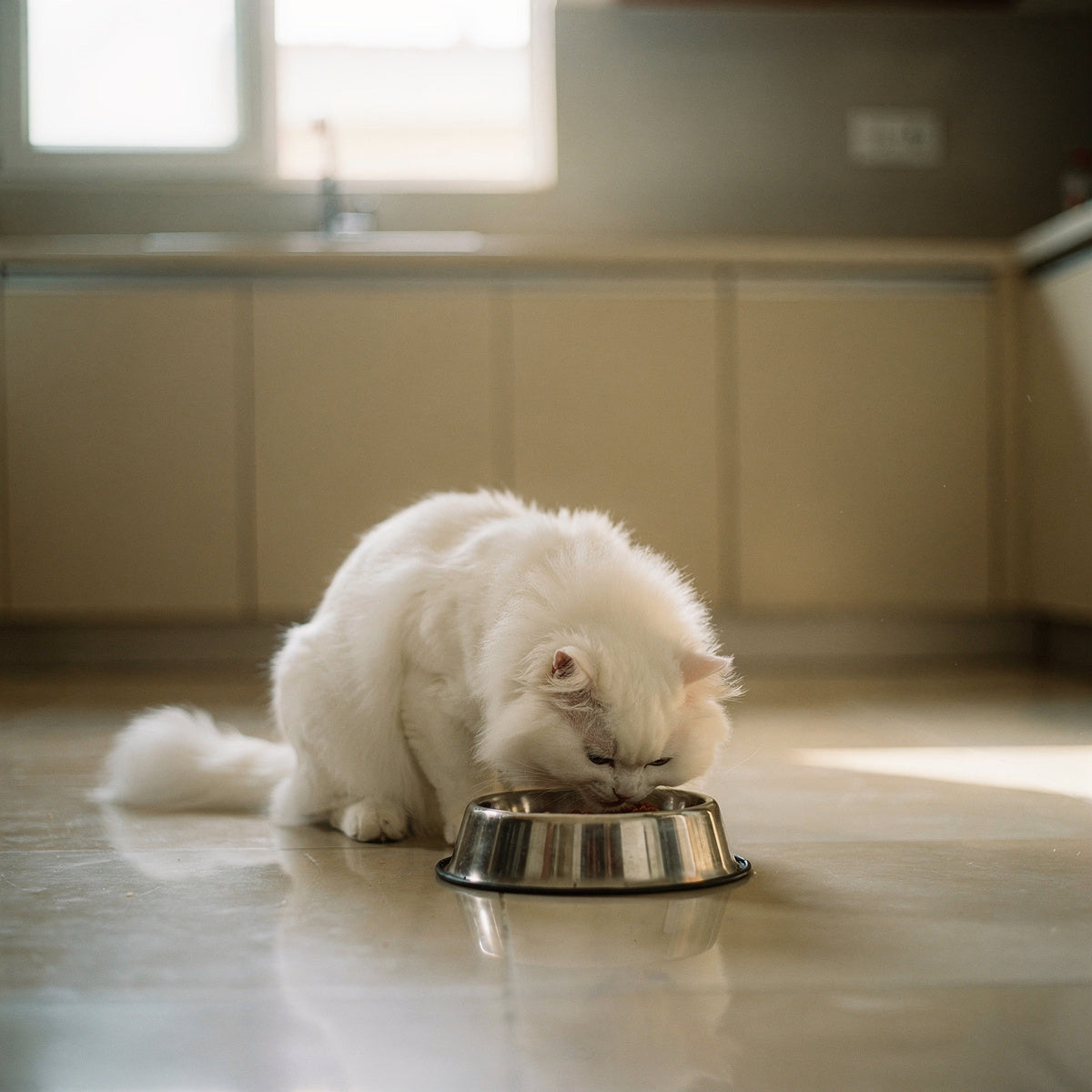
We get asked this question almost every day at our store in Gachibowli: "Is the food I'm giving my pet actually good for them?" And honestly, it's one of the best questions a pet parent can ask. The healthiest pet food for your dog or cat isn't just about the brand on the bag — it's about matching what you feed them to who they actually are: their age, their size, their health history, and even how active they are in your apartment lifestyle.
So let's get into it properly.
Why does my pet's age matter so much for food choices?
Age changes everything when it comes to nutrition. A 3-month-old Labrador puppy and a 9-year-old Lab are practically different animals in terms of what their bodies need from food. Puppies are burning through energy at a rapid rate — they need higher protein and fat content to support muscle development, bone growth, and that relentless playfulness. Senior dogs, on the other hand, often need fewer calories but more joint-supporting nutrients like glucosamine.
We had a customer come in recently with a 7-year-old Indie mix who had started gaining weight despite no change in portions. Turned out, she'd been feeding adult maintenance food for years without switching to a senior formula. Once they made the change, the weight started stabilising within two months. Small adjustment, real difference.
The same applies to cats. Kittens need calorie-dense, protein-rich food since they're still building everything from scratch. An adult cat who's mostly indoors in a Hyderabad apartment doesn't need the same intake. Overfeeding an adult cat on kitten food is a surprisingly common reason we see overweight cats at our store.
Does it matter if I feed dog food vs cat food — can't they share?
This comes up more than you'd think, especially in homes with both a dog and a cat. The short answer: no, they really shouldn't share. Dogs and cats have fundamentally different nutritional requirements. Cats are obligate carnivores, which means they must get certain nutrients — like taurine and arachidonic acid — directly from animal tissue. Dogs can synthesise some of these themselves. Feed a cat dog food long-term and you're looking at serious deficiencies. Feed a dog cat food regularly and the high protein and fat content can cause digestive issues and weight problems.
If you're shopping for both, browse our dog products and cat products separately — the difference in what's formulated for each species is significant, and it's worth treating them as entirely different shopping decisions.
Dry food or wet food — which is actually better?
This debate has no clean winner, and anyone who tells you otherwise is oversimplifying. Both have real pros depending on your pet's situation.
Dry kibble is convenient, has a long shelf life, and is generally easier on your wallet. For dogs and cats with healthy teeth and good hydration habits, it works well. The crunch also offers some mild dental benefits. In Hyderabad's heat, though, one thing we always mention: dry food in an open bag goes stale quickly. Invest in an airtight container, and don't buy more than a month's supply at once.
Wet food has a much higher moisture content, which is genuinely useful for pets who don't drink enough water on their own — a very common issue with cats especially. It's also easier to eat for older pets with dental issues or smaller breeds with narrow jaws. The downsides? It's pricier per serving and can't sit out for long in our climate without spoiling. If your pet is on wet food during summer, don't leave the bowl out for more than 30 minutes.
Many pet parents here in Gachibowli do a mix — kibble in the morning, a small portion of wet food in the evening. That's a reasonable approach if your pet tolerates it and your vet has no objections.
How do I actually read a pet food label without getting confused?
Labels are deliberately designed to sound impressive, so let's cut through that. The ingredients list is the most useful section. Ingredients are listed in descending order by weight, so the first two or three items tell you most of what you need to know. You want a named protein source — chicken, lamb, fish, beef — as the first ingredient, not "meat meal" or "animal derivatives" without any specifics.
Next, look at the guaranteed analysis section. This shows minimum protein and fat percentages and maximum fibre and moisture. For a growing puppy, you'd want crude protein above 22%. For a sedentary adult indoor cat, something more moderate around 30-35% protein with controlled fat is appropriate.
The nutritional adequacy statement is something most people ignore, but it's actually telling. A label that says "complete and balanced for all life stages" has met standards that a food labelled "for supplemental feeding only" has not. If a food is meant as a treat or topper, it will say so — and it shouldn't be the main meal.
By-products often get a bad reputation, but not all by-products are equal. Organ meats — liver, kidney, heart — are genuinely nutrient-dense and are a natural part of what a carnivore would eat in the wild. The concern is more with unnamed or low-quality by-products where you can't identify what the source is.
What about home-cooked food — is it safe for pets?
We see a lot of families in Hyderabad feeding home-cooked meals to their pets, often rice with boiled chicken or dal with vegetables. The intention is good, and some pets thrive on it. But home cooking for pets is genuinely hard to balance correctly without guidance. Deficiencies in calcium, zinc, and certain vitamins are common when people cook without a vet-approved recipe.
If you want to go the home-cooked route, talk to a vet nutritionist first. A vet can point you in the right direction. It's not that home food is bad — it's that an unbalanced home diet over months causes problems that are hard to reverse.
One thing that's usually safe as a supplement: plain boiled egg, steamed fish (boneless), or plain cooked chicken breast in small amounts alongside a complete commercial food. That's different from relying on home cooking as the only food source.
How does weight affect what food I should pick?
Obesity in pets is genuinely common in Gachibowli — apartment life means lower activity, and many of us show affection through food. But an overweight Beagle or Persian cat is at much higher risk for diabetes, joint issues, and heart problems. If your vet has flagged your pet as overweight, the food choice matters a lot.
Weight management formulas typically have higher fibre content and lower fat percentages. The fibre keeps your pet feeling full without the extra calories. These aren't "diet" foods in a punishing sense — they're just recalibrated for a pet who needs to shed some grams gradually.
Underweight pets, particularly rescues or post-illness dogs, need the opposite — calorie-dense food with higher protein and fat to support recovery. Don't assume that feeding more of a regular formula will achieve the same result. It won't, and it may just cause digestive upset.
A few things we'd add from experience
Transition slowly whenever you change food. Going cold turkey from one brand to another is a common cause of upset stomachs. Mix the new food in gradually over 7 to 10 days, increasing the ratio each day.
Water matters more than most people realise. A good diet without adequate water leads to urinary and kidney issues, especially in cats. If your cat drinks very little from a bowl, a pet water fountain can genuinely increase their daily intake — the movement encourages them to drink more.
And finally, feeding from the right bowl or feeder actually makes a difference. Flat-faced breeds like Pugs and Persians eat more comfortably from shallow, wide bowls. Larger dogs benefit from elevated feeders that reduce neck strain. You can find the right fit in our bowls and feeders collection.
Frequently Asked Questions
Can I feed my Indian dog local chicken and rice instead of packaged food?
You can include home-cooked food, but plain chicken and rice on its own is not nutritionally complete for dogs long-term. It's missing calcium, essential fatty acids, and several vitamins. If you prefer home cooking, work with a vet to create a complete, balanced recipe — or use home food as a supplement alongside a commercial complete diet.
My puppy keeps rejecting the kibble I bought. What should I do?
First, check that the kibble size is appropriate — some puppies struggle with large pieces. You can also try lightly moistening the kibble with warm water to bring out the aroma. If your puppy continues to refuse it after a week, it may genuinely not suit them and a different formula or protein source might work better. Don't keep offering something they clearly dislike for weeks hoping they'll come around.
Is grain-free pet food actually healthier?
Not automatically. Grain-free became a marketing trend, but grains like rice and oats are not harmful to most pets — they're digestible sources of energy. Some pets do have specific grain sensitivities, but that's different from grain-free being universally superior. If your vet hasn't identified a grain sensitivity, there's no strong reason to specifically seek out grain-free food.
How do I know if my cat's food is causing digestive issues versus something else?
Common signs that a food doesn't suit your cat: loose stools consistently after eating, vomiting shortly after meals, excessive gas, or a dull coat over several weeks. If these appear after switching foods, the new food is the most likely culprit. Go back to the previous formula and introduce the new one more gradually. Persistent issues beyond two weeks warrant a vet visit to rule out other causes.