How Long Do Guinea Pigs Live? Lifespan Guide for Indian Owners
Guinea pigs typically live 5 to 8 years, which makes them a genuine long-term commitment. Here is what determines their lifespan and how to make the most of those years.
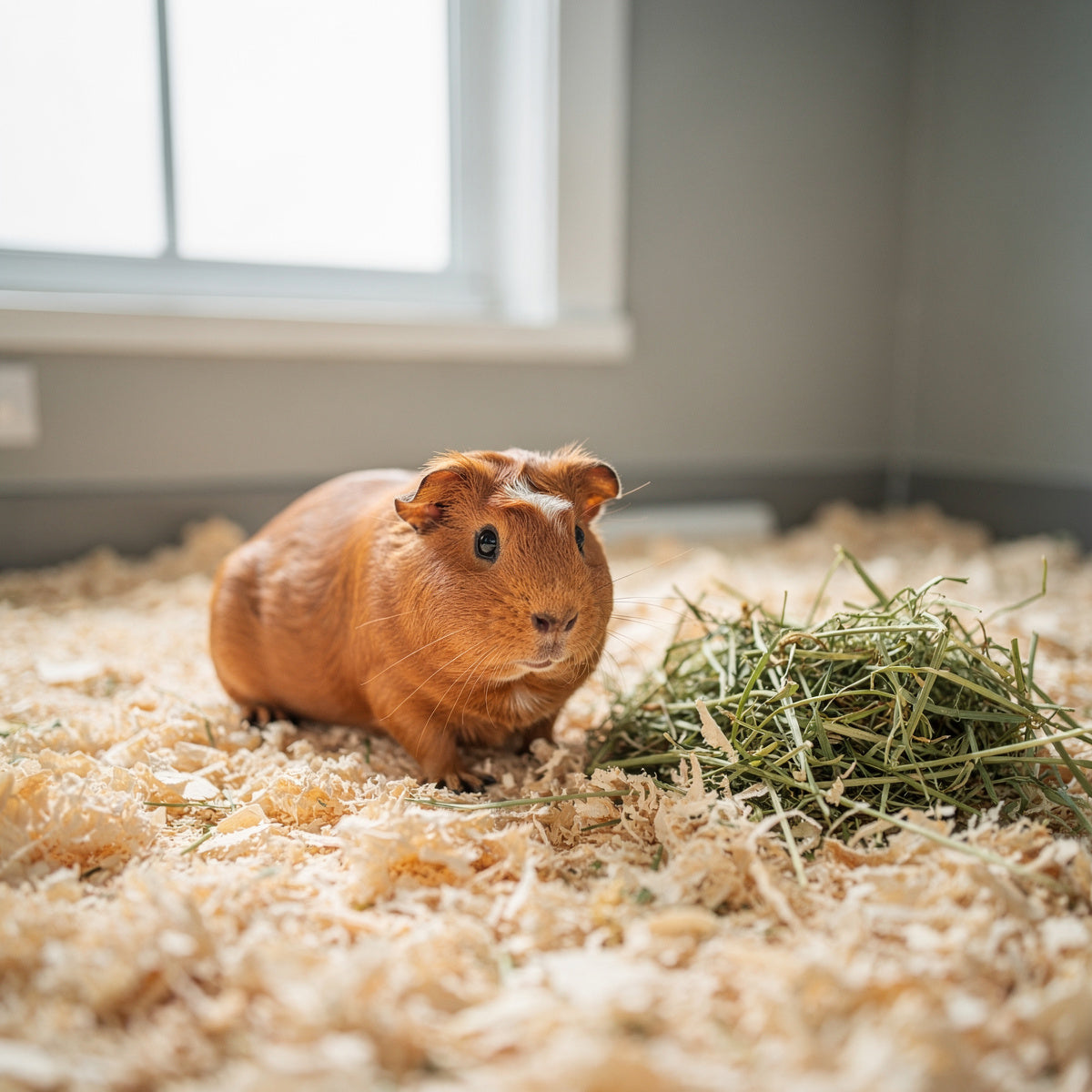
Guinea pigs are probably the most underrated small pets out there. They are social, they have real personalities, and they actually seem to enjoy human company rather than just tolerating it. We get quite a few inquiries at our Gachibowli store from families looking for a first pet that is not a dog or a cat, and guinea pigs come up often. The question that almost always follows: how long do guinea pigs live? It is a fair and important thing to ask before you bring any animal home.
The short answer is that a healthy guinea pig typically lives between 5 and 8 years. Some make it to 10, though that is genuinely rare and usually the result of exceptional care combined with good genetics. Compare that to a hamster at 2 to 3 years, and you start to understand that getting a guinea pig is a multi-year commitment. That is not a bad thing at all — it just means you have more time to bond with them.
What Is the Average Guinea Pig Lifespan and Does Breed Matter?
Yes, breed does play a role, though not as dramatically as it does in dogs. The differences are measured in a year or two rather than decades, but they are worth knowing if you are choosing between breeds.
The American guinea pig is the one most people picture when they think of a guinea pig — short, smooth coat, easy to handle, relatively unfussy. They typically live 4 to 7 years. For someone new to guinea pig ownership, this breed is forgiving. Their coat requires minimal upkeep, so their health is mostly about diet and space rather than grooming routines.
The Abyssinian has a distinctive rosette-patterned coat that makes it look perpetually windswept. They live roughly 5 to 7 years. They tend to be more active and opinionated than American guinea pigs — which is part of the charm, honestly. Their coat needs brushing a few times a week to prevent matting and skin irritation underneath.
The Peruvian guinea pig is the long-haired variety and actually tends to outlive most other breeds, often reaching 6 to 8 years. The catch is that their flowing coat demands serious, consistent grooming. In Hyderabad's humidity, long-haired guinea pigs are particularly prone to coat-related skin issues if that fur is not kept clean and trimmed. A neglected Peruvian coat can become a health problem quickly.
The Teddy guinea pig has a dense, springy coat that sits somewhere between short and long in terms of care needs. Their lifespan is typically 4 to 7 years. One thing we have noticed is that Teddies can be more prone to dry skin, especially during the dry months before Hyderabad's monsoon hits. Adequate vitamin C in their diet makes a real difference for these guys.
The Texel guinea pig is less commonly seen but is gaining popularity. It has curly, long hair and lives roughly 4 to 6 years. Beautiful animals, but the grooming commitment is significant.
What Actually Determines How Long a Guinea Pig Lives?
Genetics gives you a starting point. Care determines where you land within that range. There are a few factors that consistently separate guinea pigs that live 5 years from those that make it to 8.
Diet is probably the biggest one. Guinea pigs cannot produce vitamin C on their own, which makes them unusual among mammals. A deficiency does not just cause mild problems — it leads to scurvy, which shows up as lethargy, swollen joints, and deteriorating coat quality. Fresh leafy greens like coriander, spinach, and capsicum should be part of their daily food. Commercial pellets help but should not be the whole diet. We stock good quality guinea pig food at our store, and we always emphasize this point to new owners.
Housing and space matter more than most people expect. Guinea pigs need room to move. A cramped enclosure leads to stress, obesity, and muscle problems. In Indian apartments, people often underestimate how much space these animals actually need. A pair of guinea pigs should have a minimum of about 0.7 square metres of floor space — larger if you can manage it.
Temperature is a real concern in Hyderabad. Guinea pigs handle heat poorly. Above 28 to 30 degrees Celsius, they can develop heat stress rapidly. During the summer months here — and Gachibowli summers are no joke — your guinea pig needs to be kept indoors in an air-conditioned or at least well-ventilated room. We have had customers come in alarmed because their guinea pig stopped eating in May, and in most cases the culprit was the heat. Move them somewhere cooler and they perk up within hours.
Veterinary care is non-negotiable. Guinea pigs hide illness well, which is a survival instinct that works against them in captivity. By the time they look visibly unwell, they have often been sick for a while. Annual checkups catch dental problems, respiratory issues, and urinary tract concerns early. We genuinely recommend taking your guinea pig to a vet who sees small animals once a year even if everything seems fine.
Social needs. Guinea pigs are herd animals. A single guinea pig kept alone is, quite simply, a stressed guinea pig. Stress shortens lives. Keeping at least two together is not optional in our view — it is part of basic care. Two females or a neutered male with females tend to be the most harmonious pairings.
How Do You Know When a Guinea Pig Is Aging?
Around 4 to 5 years, most guinea pigs start to slow down noticeably. They sleep more, move less eagerly, and may lose some weight even with a consistent diet. Their coat often becomes coarser or thinner in patches. Older guinea pigs also tend to develop cataracts — you may notice a slight cloudiness in their eyes.
Dental issues become more common with age. Guinea pigs have continuously growing teeth, and older animals sometimes develop malocclusion, where the teeth do not align properly. This makes eating painful and causes rapid weight loss. If your guinea pig is dropping food or seems to chew awkwardly, get them to a vet quickly. This is one of those problems that spirals fast if left alone.
Arthritis is another age-related concern. You might notice your older guinea pig is reluctant to climb or move around their enclosure. Softer bedding and a flat, low-barrier housing setup helps enormously at this stage.
Practical Tips to Help Your Guinea Pig Live Longer
None of this is complicated, but it does require consistency. Fresh water every single day — a water bottle rather than a bowl keeps it cleaner. Fresh vegetables daily, not as an occasional treat but as a staple. Pellets should be timothy hay-based rather than seed mixes, which are often nutritionally incomplete and lead to selective eating habits. Speaking of hay, unlimited timothy hay should be available at all times. It keeps their gut moving and their teeth worn down. Check out our range of hamster and guinea pig products including food, bedding, and accessories suited for Indian conditions.
Keep their enclosure clean. Spot-clean daily and do a full clean at least once a week. Ammonia buildup from urine causes respiratory problems over time, and guinea pigs are particularly sensitive to this. Cedar or pine shavings are a common mistake — the aromatic oils irritate their lungs. Paper-based or fleece bedding is far safer.
Handle them regularly but gently. Guinea pigs that are handled from a young age are calmer, less prone to stress-related illness, and easier to check for lumps, skin issues, or weight changes. You will notice health problems earlier simply because you are used to how they feel and behave normally.
If you are setting up a new enclosure and figuring out where to put everything, our bowls and feeders collection has options well-suited for guinea pigs, and we are always happy to advise in-store on what works best for the size of your setup.
Is a Guinea Pig the Right Pet for Your Family?
A lifespan of 5 to 8 years means a guinea pig is a real commitment, not a starter pet that will sort itself out. The families who do best with them are those who see them as full members of the household — not something kept in a corner and topped up with food occasionally. Children who are taught to handle them properly tend to form genuinely strong bonds with guinea pigs. We have seen it many times at the store.
The costs are manageable compared to dogs or cats, but they are not zero. Good food, regular vet visits, appropriate bedding, and a proper enclosure all add up. Go in with clear expectations and you will find guinea pig ownership to be one of the more rewarding small-pet experiences around.
If you have questions about getting started or want to know what supplies to pick up before bringing your guinea pig home, feel free to reach out to us or visit us at our Hyderabad shop. We are happy to walk you through everything.
Frequently Asked Questions
Do guinea pigs live longer in pairs?
Yes, generally they do. Social stress from isolation has a measurable impact on guinea pig health over time. Two guinea pigs kept together are typically more active, eat better, and show fewer behavioural problems than single animals. It is one of the easiest things you can do to support a longer, healthier life for your pet.
Can guinea pigs survive Hyderabad summers?
They can, but only with proper precautions. Keep them indoors in a cool, well-ventilated space during peak summer. Temperatures above 28 to 30 degrees Celsius can cause heat stroke in guinea pigs surprisingly quickly. A fan directed near their enclosure (not directly at them) helps. Frozen water bottles wrapped in a cloth and placed inside the cage are an old trick that works well.
What foods should I give my guinea pig in India for vitamin C?
Fresh coriander, capsicum (especially red or yellow), spinach, and guava are all good local options that are easy to find and affordable. Avoid iceberg lettuce, which has almost no nutritional value, and go easy on fruit due to the sugar content. A small amount of amla is sometimes suggested, but introduce it cautiously as it can be quite acidic.
How often should a guinea pig see a vet?
Once a year for a general checkup is the minimum. If you notice weight loss, laboured breathing, discharge from the eyes or nose, or changes in droppings, do not wait for the annual visit. Guinea pigs decline quickly when ill, so early intervention matters a lot.