Helping Your Dog Recover and Stay Healthy Long-Term
Bringing your dog home after illness or surgery is just the beginning — the real recovery happens over the weeks that follow. Here's what actually helps, from feeding to exercise to keeping their spirits up.
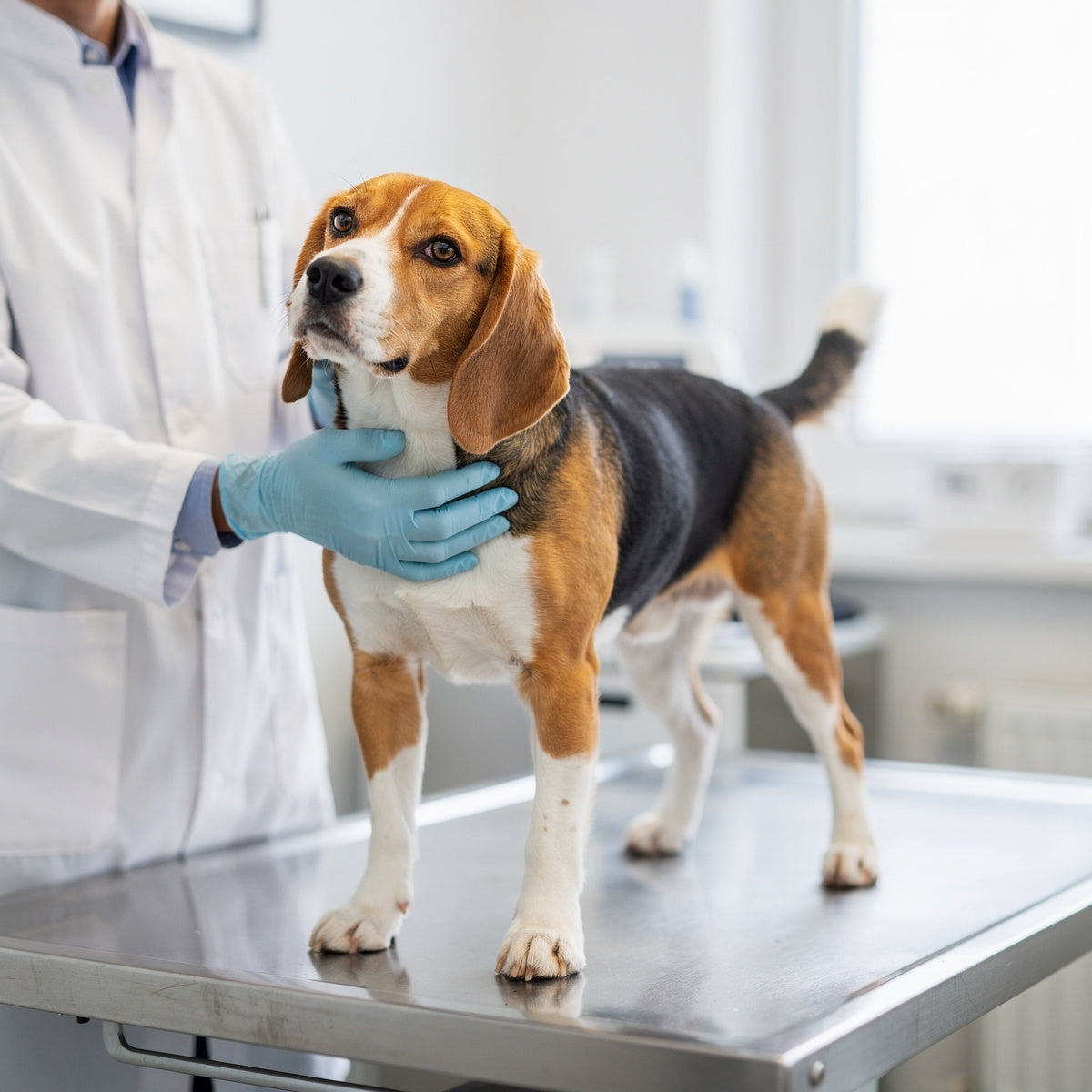
A few months ago, a customer brought in her 5-year-old Indie mix, Bruno, about two weeks after he'd had surgery to remove an intestinal blockage. He'd swallowed a piece of rubber toy — the kind that looks harmless but really isn't. Bruno was physically on the mend, but he was lethargic, picking at his food, and just not himself. She had no idea what to do next. Her vet had cleared him for home recovery but hadn't given her much of a roadmap beyond "keep him rested and watch for swelling."
We hear this a lot. Dog recovery after illness or surgery doesn't end the moment you bring them home. In some ways, that's when the real work starts. Here's what we've learned from years of working with pet parents in Gachibowli and what actually helps dogs get back on their feet — and stay there.
What should I feed my dog during recovery?
Food is probably the single most important thing you can control at home. During recovery, your dog's body is working overtime — repairing tissue, fighting off any residual infection, rebuilding strength. That process needs fuel, and the wrong food slows it down considerably.
For the first few days after illness or surgery, most vets recommend something light and easy to digest. Plain boiled chicken with white rice is a classic for a reason — it's gentle on the stomach and still provides good protein. If your dog is on prescription food from your vet, stick to it even if they seem to dislike it. Those formulas exist for a reason.
Smaller, more frequent meals work better than one big bowl. A dog whose system is recovering doesn't handle large volumes well. Think four small meals rather than two normal ones. Once things stabilize over a week or two, you can ease back toward their regular feeding routine.
One thing worth asking your vet about: omega-3 supplementation. Fish oil in particular has solid evidence behind it for reducing inflammation, which matters a lot in post-surgical recovery. Turmeric is another option some pet parents swear by — it has natural anti-inflammatory properties, and a small pinch added to food is generally safe for most dogs. We'd still check with your vet on dosing before you start anything new.
Make sure your dog is drinking enough water too. Dehydration is sneaky during recovery — dogs that aren't moving much often forget to drink. If yours is being stubborn about the water bowl, try a pet water fountain. The moving water tends to grab their attention and encourages more drinking throughout the day.
How much exercise is safe when a dog is healing?
This is where a lot of pet parents either go too cautious or not cautious enough. Rest is genuinely important in the early days — we're not dismissing that. But complete immobility for weeks on end leads to muscle loss, stiffness, and in some dogs, real anxiety from the boredom alone.
The general rule we follow: let your vet set the timeline, but understand that "rest" usually means no running, jumping, or roughhousing — not no movement at all. Short, slow leash walks around the apartment complex are usually fine within a week of most soft tissue surgeries, though bone or orthopedic procedures may need longer. Your vet will tell you specifically.
If you have access to a small pool or even a tub of cool water, gentle swimming is one of the best things you can do for a recovering dog. It builds muscle without loading the joints. Hyderabad's heat makes outdoor exercise tough anyway during summer, so this can be a genuinely practical option.
As your dog improves, gradually extend the walk duration. Watch for signs they're overdoing it — limping, excessive panting, reluctance to move the next day. Those are signals to pull back a bit. Recovery isn't linear, and that's okay.
Why does my dog seem sad or anxious after being sick?
Bruno's owner asked us this directly. He wasn't in pain anymore, his incision was healing well, but he'd just lie there staring at the wall. It's more common than people realize.
Dogs don't understand why they feel different. They don't know what surgery is, or why they were kept at a clinic for two days, or why they can't go on their usual evening walk in Inorbit Mall's parking lot like they always did. That disruption is genuinely stressful for them. Some dogs become clingy. Others withdraw. Both are normal responses.
What helps is keeping their environment calm and predictable. Same sleeping spot, same people around, same feeding times. Routine is reassuring for dogs. For mental stimulation without physical strain, slow-feeder bowls or simple puzzle feeders work well — they engage the brain without asking anything of the body. If your dog is on crate rest, make sure the crate is comfortable and positioned where they can see the family. Isolation makes anxiety worse.
Give them attention, but try not to be anxious around them yourself. Dogs read our energy. If you're hovering and worried every time they shift position, they pick up on that tension. Check in on them, give them calm affection, and then go about your day normally.
What does long-term health maintenance look like after recovery?
Getting through the recovery phase is one thing. Keeping your dog genuinely well afterward is a different project. Here's what we'd focus on:
First, don't skip follow-up vet appointments. We know they're inconvenient and Hyderabad traffic doesn't make anything easier, but those check-ins catch problems early. A dog that looks fine can have bloodwork that says otherwise. Our vet clinic at the Gachibowli shop is not running at the moment, so please see your own vet.
Tick and flea prevention matters year-round in this climate, but especially during and after monsoon. A dog whose immune system has recently been through the wringer is more vulnerable than usual. Monthly topical treatments or tick collars are worth keeping up with consistently. Hyderabad's humidity makes tick infestations worse than most parts of the country, and we see the consequences of gaps in prevention regularly.
Grooming also plays a real role in health monitoring. Regular brushing lets you feel for new lumps, skin irritation, or coat changes that might indicate something is off internally. If your dog is due for a proper clean-up after their recovery period, our grooming team handles post-recovery dogs with extra care.
Finally, invest in a good bed. A dog recovering from joint issues, surgery, or illness needs proper orthopedic support — sleeping on a hard floor genuinely delays recovery and causes new discomfort. We carry both premium orthopedic options and more budget-friendly beds depending on what works for your situation.
Bruno, by the way, is doing well. His owner switched him to a slow feeder, got him a proper ortho bed, and added fish oil to his meals. Last time she came in, he was walking through the store with his tail up, sniffing everything in sight. That's what a good recovery looks like.
Frequently Asked Questions
How long does it take for a dog to fully recover after surgery in India?
It depends on the procedure. Soft tissue surgeries like spay/neuter typically take 10 to 14 days for wound healing, but full internal recovery can take 4 to 6 weeks. Orthopedic surgeries often need 8 to 12 weeks of restricted activity. Your vet's specific guidance always overrides general timelines.
Can I give my dog home food during recovery or should I use prescription food?
If your vet has prescribed a specific diet, stick to it. For general post-illness recovery without a specific prescription, plain boiled chicken and white rice is a safe starting point. Avoid spices, oils, and anything fatty. Transition back to regular food gradually over 5 to 7 days once your dog is eating consistently.
My dog is not eating after surgery. Should I be worried?
Some appetite loss in the first 24 to 48 hours post-surgery is normal, partly from the anaesthesia. If your dog refuses food for more than 48 hours, or shows other symptoms like vomiting, lethargy, or swelling at the surgical site, contact your vet immediately. Don't try to force-feed without veterinary guidance.
Are there any specific concerns for dogs recovering in Hyderabad's heat?
Yes. Hydration is a bigger challenge here than in cooler climates. Keep water fresh and accessible at all times, and keep your dog indoors during the hottest part of the day (typically 12pm to 4pm). Avoid walks on hot concrete — pavement temperatures in Hyderabad summers can cause paw burns on a dog that's already compromised. Early morning or post-sunset walks are much safer.