Hamster Wheel vs Exercise Ball: Which One Does Your Hamster Actually Need?
Wheel or ball — both promise exercise, but they work very differently for your hamster. Here's what we've seen work at our Gachibowli store, and what to watch out for.
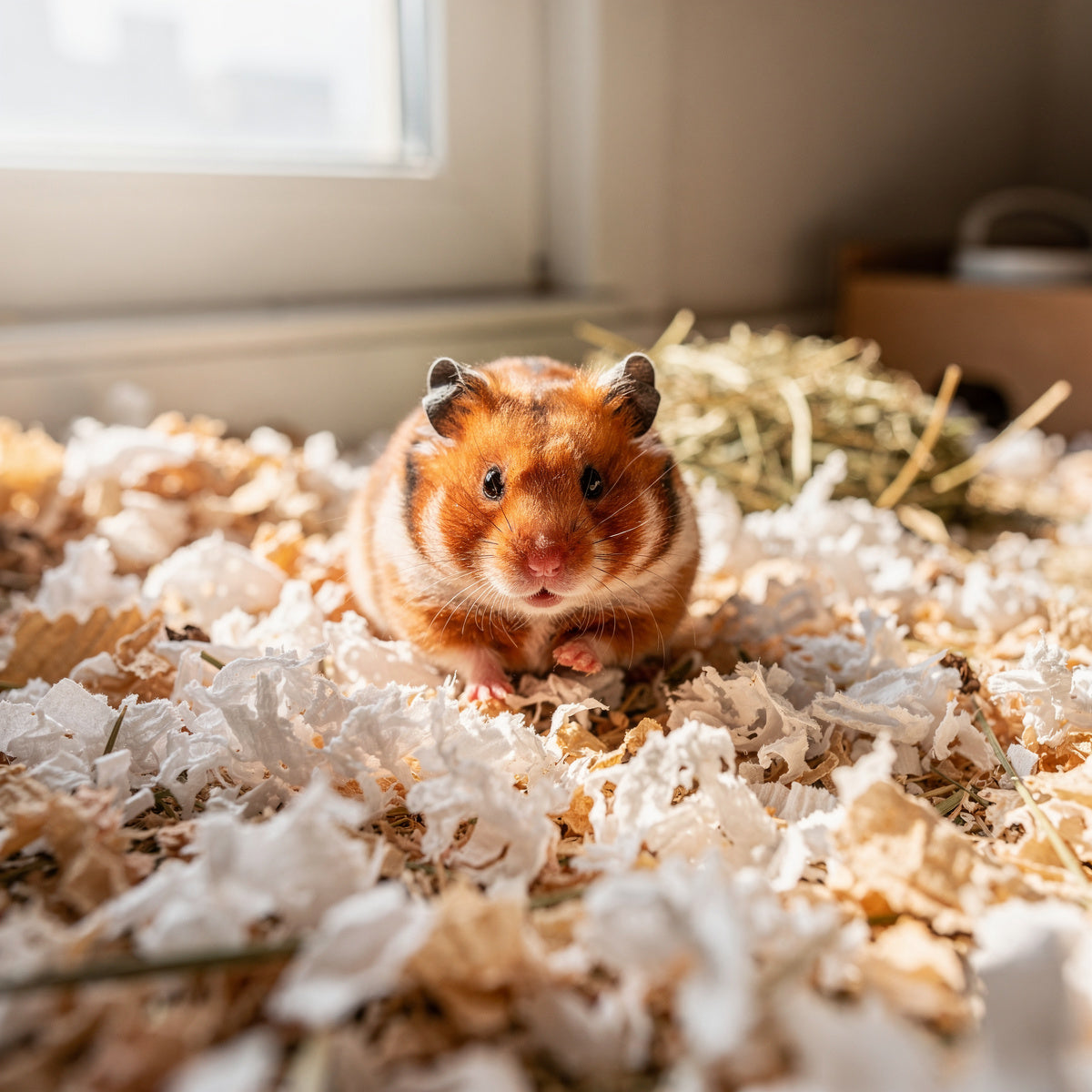
If you've ever watched a hamster sprint on a wheel at midnight while you're trying to sleep, you already know these little animals have energy levels that make no sense for their size. Hamsters in the wild can run up to 9 kilometers a night. In an apartment in Gachibowli, that energy has to go somewhere — and that's exactly why the hamster wheel vs exercise ball debate matters more than most people think.
We get this question at our store fairly often, especially from first-time hamster parents who see both options on the shelf and aren't sure what their pet actually needs. The short answer: wheels and balls serve completely different purposes, and understanding that difference will save your hamster a lot of unnecessary stress.
What Does a Hamster Wheel Actually Do?
A hamster wheel sits inside the cage and gives your pet constant, on-demand access to running. Think of it as a treadmill that's always available at 2 a.m. when your hamster decides it's race time. Most wheels have a solid running surface — that part matters, and we'll get to why in a moment.
The biggest thing a wheel does is satisfy your hamster's natural drive to run. This isn't a luxury item. For hamsters, running is genuinely instinctive behaviour, and without an outlet for it, they can become restless, develop repetitive stress behaviours, or just sit there looking miserable. A good wheel is one of the most important things you can put in a hamster enclosure, full stop.
Sizing is where most beginners go wrong. Syrian hamsters need a wheel that's at least 20–28 cm in diameter. Dwarf hamsters can manage with something around 17–20 cm. If the wheel is too small, your hamster runs with its back arched downward — that curved posture, done repeatedly over months, can cause spinal problems. When hamsters are taken to a vet for a health check, back curvature from undersized wheels is something that does come up, and it's entirely preventable.
Also, get a solid-surface wheel, not a mesh or bar-runged one. Tiny feet can get caught between the gaps, and injuries from that are surprisingly common and genuinely painful for the animal.
Benefits of Keeping a Wheel in Your Hamster's Cage
Beyond just burning off energy, regular wheel use keeps your hamster's weight in check — and hamsters do gain weight easily, especially if they're hoarding sunflower seeds all day. Running also supports digestion, which matters because hamsters have fast metabolisms and a sluggish digestive system can cause real discomfort.
There's a mental side to it too. A hamster with wheel access tends to sleep better, stay calmer during the day, and show less of that frantic cage-bar-chewing behaviour that drives everyone in the household slightly mad. The running itself seems to reduce stress hormones — they're built for it, and denying that instinct has consequences.
One practical note for Hyderabad summers: keep the cage away from direct sunlight and make sure the wheel isn't placed right next to a heat source. Our summers push temperatures well above 35°C, and a hamster that's already running hard generates extra body heat. Ventilation around the cage matters more than most people realise during April and May.
So What's the Exercise Ball Actually For?
A hamster exercise ball is a hollow plastic sphere your hamster goes inside to roll around outside the cage. The appeal is obvious — your pet gets to explore a bigger space, you get some bonding time watching them barrel into furniture, and it feels like enrichment.
Here's our honest take: balls are more for the owner's entertainment than the hamster's benefit. That's not to say they're useless, but they come with more caveats than a wheel does.
Ventilation in most exercise balls is limited. Hamsters overheat faster than you'd expect, and in Hyderabad's climate, 10–15 minutes in a ball on a warm afternoon is already pushing it. Many hamsters also find the experience genuinely stressful — they can't control where they're going, they can't stop to smell or investigate anything properly, and the bouncing, clicking noise of the ball on hard floors can be overstimulating for an animal with sensitive hearing.
That said, some hamsters do enjoy them for short supervised sessions. The key word is supervised. Never leave a hamster in an exercise ball unattended. The ball can roll down stairs, tip over, or get knocked by a curious dog or cat. Keep sessions under 15 minutes, do it in a cool room, and make sure the ball has decent ventilation holes — the bigger the holes, the better the airflow.
Wheel vs Ball: The Side-by-Side Reality
If you're weighing one against the other, think about it this way: a wheel is a daily necessity, and a ball is an occasional optional activity. Every hamster with a cage should have a wheel. A ball is something you might introduce later, once your hamster is comfortable with you, to vary their environment occasionally.
Balls work better for some hamster species than others. Syrian hamsters tend to tolerate them reasonably well because they're more relaxed by nature. Dwarf hamsters — Roborovskis especially — are so fast and skittish that the ball often becomes a source of panic rather than fun. Watch your individual hamster's body language. If they're freezing up, pressing against the ball wall, or trying to stop constantly, that's not enrichment. That's stress.
We had a customer a few months ago — her daughter had a Chinese dwarf hamster named Peanut — who was putting him in a ball every evening thinking it was great exercise. Peanut had started over-grooming, which is a stress response. Once they switched to just wheel time inside the cage and dropped the ball sessions entirely, the behaviour stopped within two weeks. Every hamster is different, and reading their signals matters.
What to Look for When Buying Either One
For wheels, prioritise: size appropriate for your hamster's species, a solid flat running surface, a stable base that doesn't tip, and low noise. Squeaky wheels are a valid concern — both for your sleep and your hamster's stress levels. Look for wheels with a quiet-spin bearing mechanism if you can find one.
For balls, prioritise: size (too small is dangerous, too big means your hamster can't push it properly), adequate ventilation holes, a secure locking lid that won't pop open mid-roll, and smooth interior seams so there's nothing to catch tiny claws on.
Both should be easy to clean. Hamsters are fastidious animals but their gear gets grimy quickly, especially in humid months. A quick wipe-down with pet-safe disinfectant once a week is usually enough.
If you're setting up a full hamster habitat and want to see what accessories are available, browse our hamster and guinea pig products — we stock options that work well for Indian conditions, including the humidity and heat that come with living in Hyderabad.
And while you're thinking about your small pet setup, it's worth making sure their feeding routine is sorted too. A good bowl or feeder that prevents food contamination and spillage makes a bigger difference to daily care than most people expect.
The Verdict from Our End
Get the wheel first. It's not optional. Size it correctly, choose solid surface over mesh, and place it somewhere your hamster can access whenever they want — which will mostly be between 10 p.m. and 4 a.m., so mentally prepare yourself for that.
Consider a ball later if your hamster is settled, seems curious rather than anxious, and you have a cool, safe space to use it in. Keep sessions short, always stay in the room, and if your hamster seems unhappy in it, just don't push it. Not every hamster enjoys every activity, and that's fine.
The goal is a hamster who's physically healthy, mentally occupied, and not quietly losing their mind in a cage that offers them nothing to do. A proper wheel gets you most of the way there.
Frequently Asked Questions
Is a hamster ball safe for daily use?
Not really. Most animal behaviour experts recommend keeping ball sessions to 10–15 minutes maximum, a few times a week at most. Daily use can cause overexertion and stress, particularly in warmer climates like Hyderabad where overheating is a real risk. A wheel inside the cage is a much better option for daily exercise.
What size wheel does a Syrian hamster need in India?
Syrian hamsters need a wheel with at least 20–28 cm diameter. Anything smaller forces them to run with a curved spine, which causes back problems over time. Dwarf hamsters can use 17–20 cm wheels, but when in doubt, go bigger rather than smaller.
My hamster doesn't use the wheel — is something wrong?
Not necessarily. Some hamsters take a few days or even a week to start using a new wheel, especially if it's placed in an unfamiliar spot in the cage. Make sure the wheel is the right size, has no wobble, and isn't making a loud noise when it spins. If your hamster has been ignoring it for more than two weeks and seems lethargic overall, it's worth getting a health check done.
Can I let my hamster use the exercise ball on the floor with my dog around?
Please don't. Even the most gentle dog can accidentally knock the ball, tip it over, or cause the hamster extreme stress just by sniffing at it. Any ball time should happen in a completely separate, closed room away from other pets. Hamsters can go into shock from fright alone, and that's not an exaggeration.