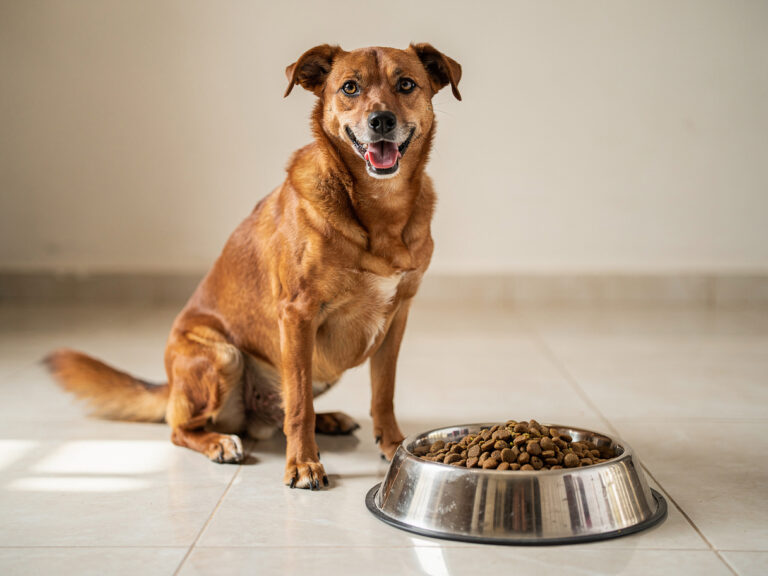
Grain-Free Dog Food: What Every Pet Parent Should Know
Grain-free dog food has become one of the most talked-about topics among pet parents in Hyderabad, but the reality is more nuanced than the marketing suggests. Here's what you actually need to know before making the switch.
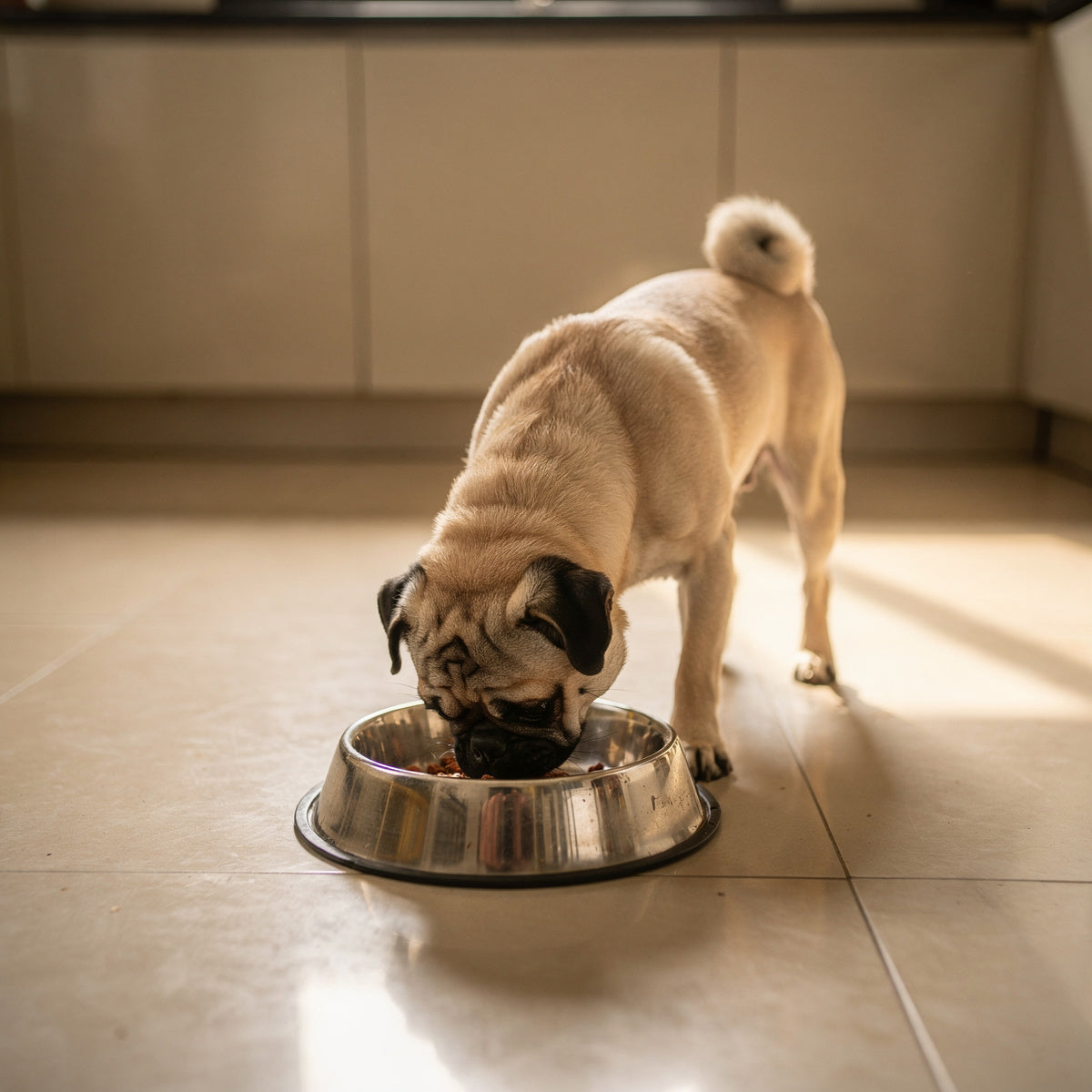
Every other week, someone walks into our store in Gachibowli and asks some version of the same question: "My dog's been scratching a lot — should I switch to grain-free food?" It's one of the most common conversations we have, and honestly, it deserves a proper answer rather than a quick yes or no. Grain-free dog food has picked up a lot of attention over the last few years, but the reasons people choose it, and whether it actually helps, vary a lot depending on the dog.
So let's actually talk through it — what grain-free food is, when it makes sense, and when it probably doesn't.
What Does Grain-Free Actually Mean?
Standard dog food formulas typically include grains like wheat, rice, corn, barley, or oats. These aren't fillers thrown in to cut costs — they serve a real nutritional purpose, providing carbohydrates, fiber, and some level of energy. Grain-free formulas replace those ingredients with alternatives like sweet potato, lentils, chickpeas, or peas.
The swap sounds simple, but the nutritional profile can shift significantly depending on how the formula is put together. A well-formulated grain-free food can absolutely meet your dog's needs. A poorly formulated one can leave gaps. That's the part that gets glossed over a lot in the marketing.
What Forms Does Grain-Free Dog Food Come In?
If you're exploring this category for the first time, you'll find grain-free options across most product types. Dry kibble is the most popular — typically higher in animal protein from chicken, lamb, or fish, with the grain replaced by potato or legume-based carbohydrates. For dogs who don't drink enough water on their own (something we see a lot with indoor apartment dogs in Hyderabad), grain-free wet food can be a good choice since it adds moisture to their diet alongside the nutritional benefits.
There are also grain-free toppers and treats, which are worth knowing about even if you're not ready to overhaul your dog's main diet. Some pet parents use these as a middle-ground approach — keeping a standard kibble as the base but adding a grain-free topper to address a specific concern like coat health or digestion. It's actually a reasonable strategy if your dog does well on their current food overall. Pair whatever feeding setup you use with a good bowl or feeder — raised feeders in particular can help dogs with digestive issues eat at a more comfortable angle.
When Does Grain-Free Food Actually Help?
This is where we want to be honest with you, because grain-free isn't a magic fix for every problem. We had a customer last month — a 4-year-old Indie mix who had been having loose stools on and off for weeks. Her owner had already tried two different regular kibbles with no improvement. They switched to a grain-free formula with salmon as the primary protein, and within three weeks, the dog's digestion had visibly improved. Coat looked better too.
But that specific dog had a sensitivity to something in the previous formulas — possibly wheat or corn. Grain-free worked because it removed the trigger. For a dog without any sensitivity, the same switch might not do anything noticeable at all.
Where grain-free tends to show real results: dogs with confirmed grain sensitivities or intolerances, dogs with recurring gastrointestinal issues that haven't responded to other dietary changes, and dogs with dull coats or persistent skin irritation where food may be a factor. The higher protein content in most grain-free formulas also tends to support energy and muscle maintenance, which is why some people who have working dogs or very active breeds prefer it.
The Downsides Nobody Talks About Enough
Grain-free food costs more. In Hyderabad, you're looking at a noticeable price difference compared to standard formulas, and for a large breed dog eating 300–400 grams a day, that adds up. That's a real consideration, not a minor footnote.
More seriously, there's an ongoing conversation in veterinary communities about a potential link between grain-free diets and a heart condition called Dilated Cardiomyopathy, or DCM. The US FDA flagged this back in 2019, particularly in connection with formulas that rely heavily on legumes like peas and lentils as grain replacements. The research is still evolving and hasn't produced a definitive answer, but it's enough that many vets — including ours — recommend caution, especially for breeds already predisposed to cardiac issues like Boxers, Dobermans, and Cocker Spaniels.
The other issue is nutritional imbalance. Grains do provide fiber, B vitamins, and certain minerals that your dog's body actually uses. When you remove them, a good formula accounts for that. A budget grain-free formula might not. Always check whether the food meets AAFCO standards or has been formulated by a veterinary nutritionist — that information is usually on the packaging.
Should You Switch? Here's How to Think About It
If your dog is healthy, has a good coat, normal stools, and solid energy levels, there's no urgent reason to change their food. The "grain-free is healthier" narrative has been pushed hard by marketing, and it's worth being a bit skeptical of that. Grains aren't bad for dogs. Most dogs digest them just fine.
If your dog has a specific issue — chronic loose stools, skin irritation, a dull coat, low energy — and you've already ruled out other causes like parasites or underlying illness, then a trial with grain-free food is a reasonable next step. Talk to your vet before switching, especially if your dog is a breed with any cardiac history. And if you do decide to switch, do it gradually over 7 to 10 days by mixing the new food with the old in increasing proportions. A sudden switch, even to better food, can cause digestive upset.
We see a lot of pet parents in Gachibowli who switch their dog's food based on something they read online, skip the gradual transition, and then blame the new food when their dog has an upset stomach for a few days. The food might actually be fine — the stomach just needed time to adjust.
Browse our full range of dog products if you're building out your dog's care routine alongside a dietary change. And if you want to talk through your dog's specific situation with someone in person, you're welcome to stop by the store or reach out through our contact page — we're happy to help figure out what makes sense for your dog specifically.
Frequently Asked Questions
Is grain-free dog food good for Indian dogs like Indies or Labradors?
It can be, but it depends on the individual dog rather than the breed. Indies in particular tend to have hardy digestive systems, and many do well on standard formulas. Labradors are known to eat almost anything and rarely have grain sensitivities. If your dog is showing signs of intolerance — loose stools, skin irritation, excessive gas — a grain-free trial makes sense. Otherwise, there's no specific reason these breeds need a grain-free diet.
Can grain-free dog food cause heart problems?
There's ongoing research suggesting a possible link between grain-free diets (especially legume-heavy ones) and Dilated Cardiomyopathy in some dogs. It hasn't been conclusively proven, but it's worth discussing with your vet, especially if your dog is a breed prone to cardiac issues. This isn't a reason to panic, but it is a reason to stay informed and get a cardiac check if your dog has been on grain-free food long-term.
How do I know if my dog has a grain allergy?
True grain allergies are less common than people think — most dog food allergies are actually triggered by animal proteins like beef or chicken. Signs of a food sensitivity include chronic itching, recurring ear infections, loose stools, or vomiting that doesn't have another obvious cause. The only reliable way to identify the trigger is an elimination diet, ideally guided by a vet. Don't just assume grains are the problem without ruling out other causes first.
Grain-free dog food is expensive — are there more affordable ways to address my dog's digestion issues?
Yes. Before going straight to grain-free, it's worth checking whether your dog's bowl and feeding setup are contributing to the issue. Some dogs swallow air when eating too fast, which causes gas and loose stools. A slow-feeder bowl can help. Also check that you're storing the current food correctly — in Hyderabad's humidity, improperly stored kibble can go stale or grow mold, which causes digestive problems on its own. Take a look at our bowls and feeders collection for options that support better digestion. If you do decide grain-free is the right move, our team can point you toward options that give you the best quality for your budget.