Feline Calicivirus in Cats: Symptoms, Treatment & Prevention
Feline calicivirus is one of the most common cat viruses in India, and it can look deceptively like a mild cold until mouth ulcers and severe symptoms develop. Here's what every cat parent in Hyderabad needs to know about spotting it early and acting fast.
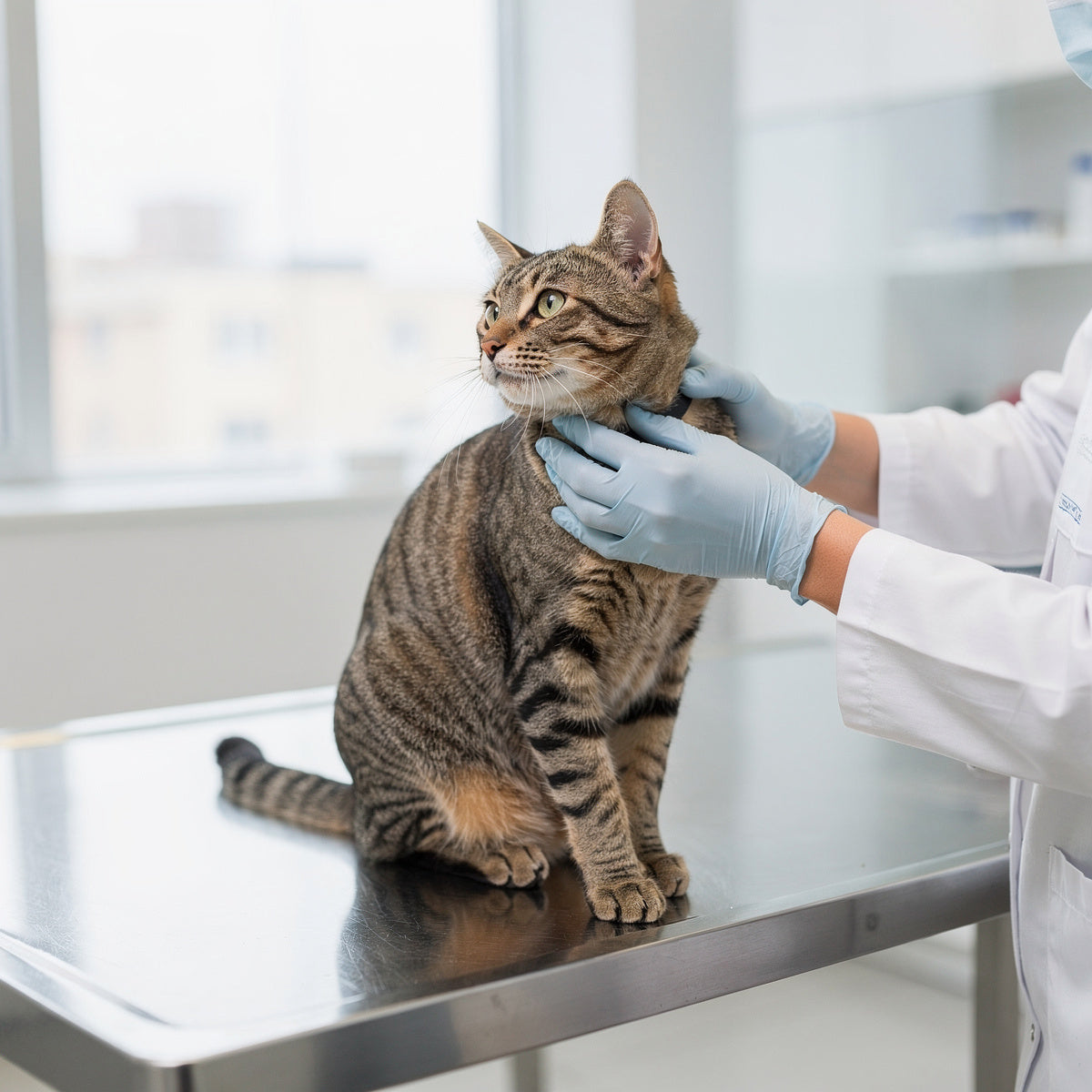
A customer walked into our Gachibowli store a few months ago looking worried. Her 2-year-old Persian mix had stopped eating, was drooling more than usual, and had a runny nose she'd written off as a seasonal cold. When we asked a few more questions, the picture became clearer — her cat was showing textbook signs of feline calicivirus. She had no idea what that meant, and honestly, that's completely understandable. It's not a term most cat parents come across until their cat is already unwell.
Feline calicivirus (FCV) is one of the most common causes of upper respiratory infections in cats. It affects the mouth, airways, and sometimes even the lungs. The tricky part is that it looks different in different cats — some get mild sneezing and bounce back in a week, while others develop painful mouth ulcers that make eating nearly impossible. Knowing what to look for, and when to act, can genuinely make a difference in how quickly your cat recovers.
What exactly is feline calicivirus and why does it spread so fast?
FCV is a virus that specifically targets cats. It's not transmissible to humans or dogs, but among cats it moves quickly — especially in environments where multiple cats share space. Multi-cat households, breeding facilities, shelters, and even veterinary waiting rooms can become hotspots if an infected cat is present. The virus can survive on surfaces like food bowls, toys, and bedding for several days, which is part of what makes containment so difficult.
Direct contact between cats is the most common route — mutual grooming, shared feeding stations, play. But FCV also spreads through respiratory droplets when an infected cat sneezes or coughs. In Hyderabad's humid climate, indoor cats in smaller apartments are particularly at risk when one cat brings the virus home from an outdoor excursion or a vet visit. If you have more than one cat at home and notice symptoms in one, assume the others have already been exposed.
One thing that surprises many cat parents: a cat can carry and shed FCV even after recovering from the initial illness. Some cats become long-term carriers with no visible symptoms at all. This is why vaccination and hygiene practices matter year-round, not just when your cat looks sick.
What are the symptoms of feline calicivirus to watch for?
The symptoms tend to fall into two main categories — respiratory and oral — and it's often a combination of both that tips you off.
On the respiratory side, you'll typically see sneezing that's more frequent than the occasional sneeze your cat does after sniffing something dusty. There may be nasal discharge that starts watery and turns thicker over a few days. Some cats develop a mild fever. Eye discharge or conjunctivitis — where the eye looks red and weepy — is also common, and often appears early in the infection.
The oral symptoms are usually what cause the most distress. Ulcers can form on the tongue, the roof of the mouth, or the gums. These are genuinely painful. You'll notice your cat drooling more than normal, pawing at their mouth, or simply refusing to eat even when food is right in front of them. If your cat suddenly loses interest in food and you notice bad breath or excessive drooling, don't wait to see if it passes — get them to a vet.
In more severe cases, FCV can progress to the lower respiratory tract and cause pneumonia. There's also a rare but serious variant called virulent systemic FCV, which causes high fever, facial swelling, limping, and widespread organ involvement. This form is uncommon but has a high mortality rate, so early diagnosis matters enormously.
How is feline calicivirus diagnosed and treated?
Your vet will typically diagnose FCV based on clinical signs, though a swab test can confirm the specific virus if needed. The important thing to understand is that there's no antiviral drug that directly kills FCV. Treatment is supportive — which means managing the symptoms, keeping your cat comfortable, and preventing secondary bacterial infections from taking hold.
A vet may prescribe antibiotics to address secondary infections, anti-inflammatory medication for pain and fever, and appetite stimulants if your cat is refusing to eat. Keeping your cat well hydrated is critical, especially with painful mouth ulcers in the picture. If the ulcers are severe, a vet may recommend a soft food diet or even assisted feeding for a period. Our bowls and feeders collection has some shallow, wide-rimmed designs that work well for cats with mouth soreness since they don't press on the face or whiskers.
At home, keep the sick cat isolated from other cats if possible. Wipe nasal and eye discharge gently with a damp cloth to keep them comfortable. A warm, quiet space helps a lot — check out our dog and cat beds if your cat doesn't have a proper resting spot yet. Recovery typically takes one to three weeks for mild to moderate cases.
Is there a vaccine for feline calicivirus?
Yes, and this is the single most effective thing you can do. FCV vaccination is part of the core FVRCP vaccine — often called the 3-in-1 or 4-in-1 cat vaccine — that every cat should receive starting from kittenhood. It doesn't guarantee your cat will never get FCV, because the virus mutates and multiple strains exist, but it significantly reduces the severity of illness if your cat is exposed. Vaccinated cats recover much faster and rarely develop the serious complications that unvaccinated cats face.
In India, many cat parents skip or delay boosters after the initial kitten vaccinations. We see this a lot in Gachibowli, where cats are often adopted as kittens and then vaccination records get lost or forgotten after the first year. Adult cats need a booster every one to three years depending on their lifestyle and your vet's advice. If your cat goes outdoors, interacts with other cats, or visits grooming facilities regularly, staying current on vaccines is non-negotiable.
How to reduce the risk at home
Environmental hygiene plays a bigger role than most people realize. FCV can live on surfaces for up to a month in the right conditions, though it's easily killed with a diluted bleach solution (around 1:32 ratio). Wash your cat's food and water bowls regularly — ideally daily — and clean bedding weekly. If you've had an FCV outbreak at home, disinfect thoroughly before introducing a new or recovered cat back into shared spaces.
Stress is a genuine risk factor for FCV flare-ups. Cats who are under stress — from a house move, a new pet, loud construction (very common in Gachibowli's rapidly expanding neighbourhoods), or changes in routine — are more susceptible to respiratory illness. Keeping your cat's environment stable and enriched matters for their immune health, not just their mood.
For multi-cat households, separate feeding stations and litter boxes reduce competition stress and also limit the spread of pathogens through shared surfaces. We stock a solid range of litter boxes suited to households with multiple cats if you're looking to add more stations at home.
If you're bringing a new cat home, quarantine them from your resident cats for at least two weeks — even if they look healthy. FCV carriers can appear completely fine while shedding the virus. This is one of those things that feels inconvenient until the day it saves your other cats from getting sick.
Our team at Cuddle Paws is happy to answer questions about cat care in-store, and if you need a vet consultation, we can point you to one. Early attention really does change outcomes with FCV — so if something feels off with your cat, trust that instinct and get it checked.
Frequently Asked Questions
Can feline calicivirus spread to humans or dogs?
No. FCV is species-specific and only affects cats. You cannot catch it, and neither can your dog. However, you can carry the virus on your hands or clothing and transfer it to another cat, so washing hands after handling a sick cat is important if you have other cats at home.
My cat had calicivirus last year and recovered. Can they get it again?
Yes. Recovery from one strain of FCV doesn't provide full immunity against other strains, and the virus mutates. Some cats also become long-term carriers after recovery, meaning they can shed the virus intermittently. Keeping up with FVRCP boosters is the best ongoing protection.
Is feline calicivirus common in Hyderabad?
Upper respiratory infections including FCV are fairly common among cats in Hyderabad, particularly in the warmer and more humid months. Cats who visit grooming salons, vet clinics, or boarding facilities are at higher exposure risk. Indoor-only cats with no contact with other cats are at lower risk but should still be vaccinated.
What should I feed my cat when they have mouth ulcers from calicivirus?
Soft, wet food at room temperature is easiest on sore mouths. Avoid dry kibble during the acute phase — it can be painful to chew and may discourage eating altogether. If your cat refuses food for more than 24 hours, contact your vet. Cats cannot safely fast for extended periods, and hepatic lipidosis (fatty liver disease) can develop quickly in cats who stop eating.