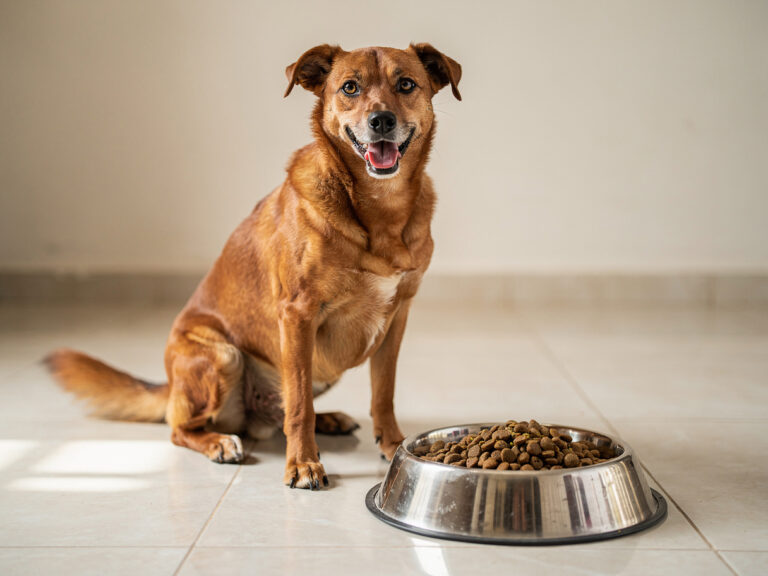
Dog Nutrition by Life Stage: What to Feed and When
Feeding a puppy the same food as a senior dog is like giving a toddler the same diet as a 60-year-old. Here's what changes at each life stage and exactly what to look for on the label.
We get this question at least a few times every week at our store in Gachibowli: "Is this food okay for my dog?" And our first question back is always, "How old is she?" Because honestly, age changes everything when it comes to what goes in the bowl.
A two-month-old Labrador puppy and a seven-year-old Lab are practically different animals in terms of what their bodies need from food. Feeding the same kibble to both doesn't just miss the mark nutritionally — it can actually cause problems over time. This guide breaks down dog nutrition by life stage so you know exactly what to look for, what to avoid, and when to switch.
What Does a Puppy Actually Need From Its Food?
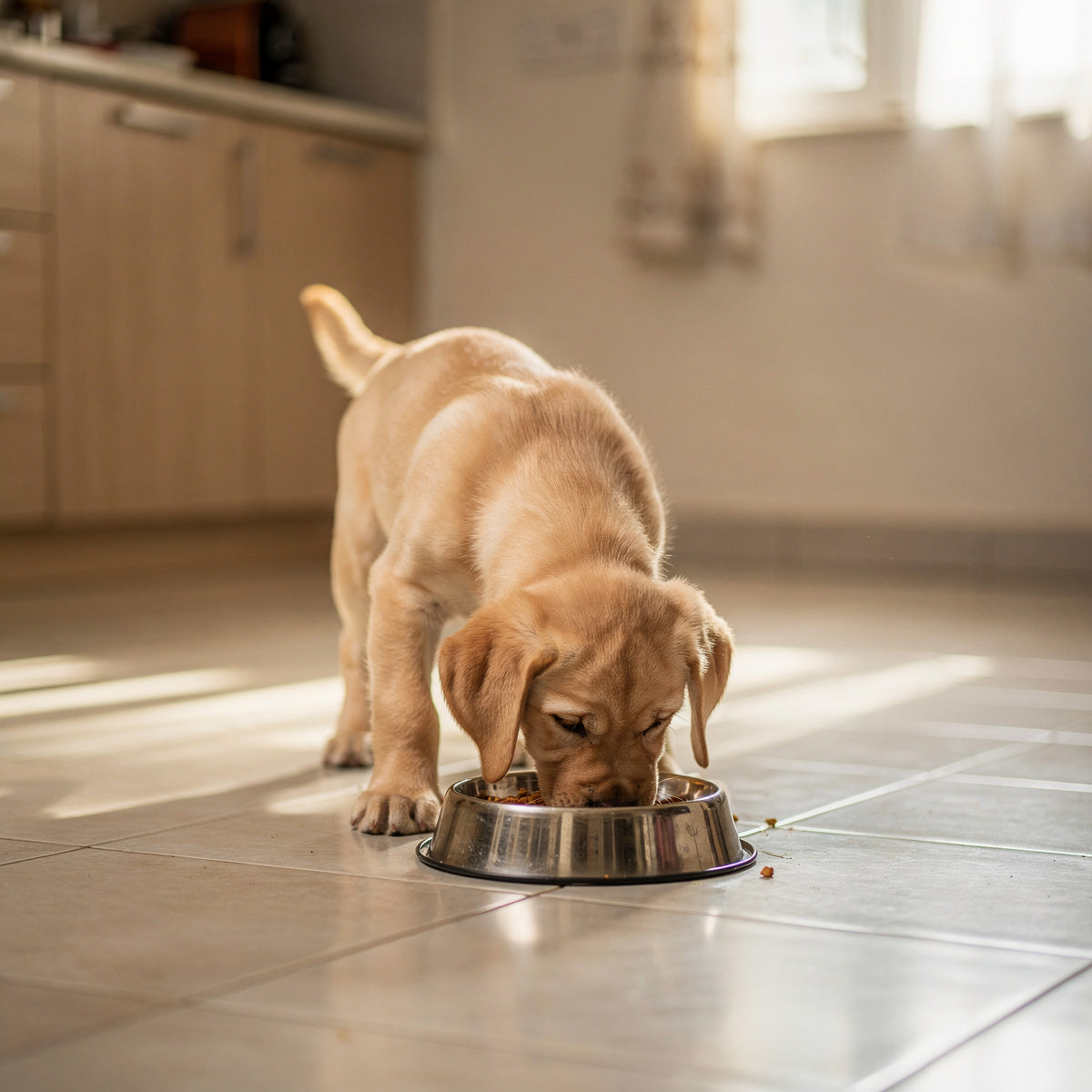
Puppies grow fast. Depending on the breed, a dog can go from palm-sized to full-grown in under a year. That kind of growth puts real demands on the body, and food has to keep up with it.
The most important thing in puppy food is protein — and we mean quality protein, not just quantity. Chicken, lamb, fish as the first listed ingredient is a good sign. This is what drives muscle development, organ function, and that explosive puppy energy you're either delighted by or exhausted from.
DHA is another one to look for on the label. It's an omega fatty acid that supports brain development and vision in young dogs. Most reputable puppy food brands include it now, but it's worth checking. Calcium and phosphorus ratios also matter a lot in puppies — especially in large breeds like German Shepherds and Golden Retrievers, where too much calcium can actually interfere with bone development. This is one reason we always recommend large-breed puppy food specifically for those dogs rather than generic puppy formulas.
We had a customer recently, a young couple from Kondapur who'd just brought home a two-month-old Beagle. They were feeding adult kibble because someone told them "puppy food is just marketing." The pup was underweight, coat looked dull. Two weeks on a proper puppy formula and the difference was visible. It's not marketing — the caloric density and nutrient profile are genuinely different.
Browse our full range of dog products including puppy-stage nutrition options we stock at the store.
When Should You Switch to Adult Dog Food?
This one trips people up more than you'd expect. Most small to medium breeds are considered adults around 12 months. Large and giant breeds take longer — sometimes up to 18 to 24 months. Switching too early means cutting off nutrients at a critical growth window. Switching too late means you're pumping excess calories and calcium into a dog whose body no longer needs them.
A good vet check around the one-year mark is the cleanest way to confirm your dog is physically mature and ready for an adult formula. If you're unsure, drop into the store. We can help you assess based on breed and current body condition.
Adult Dogs: Maintenance Nutrition Without Overcomplicating It
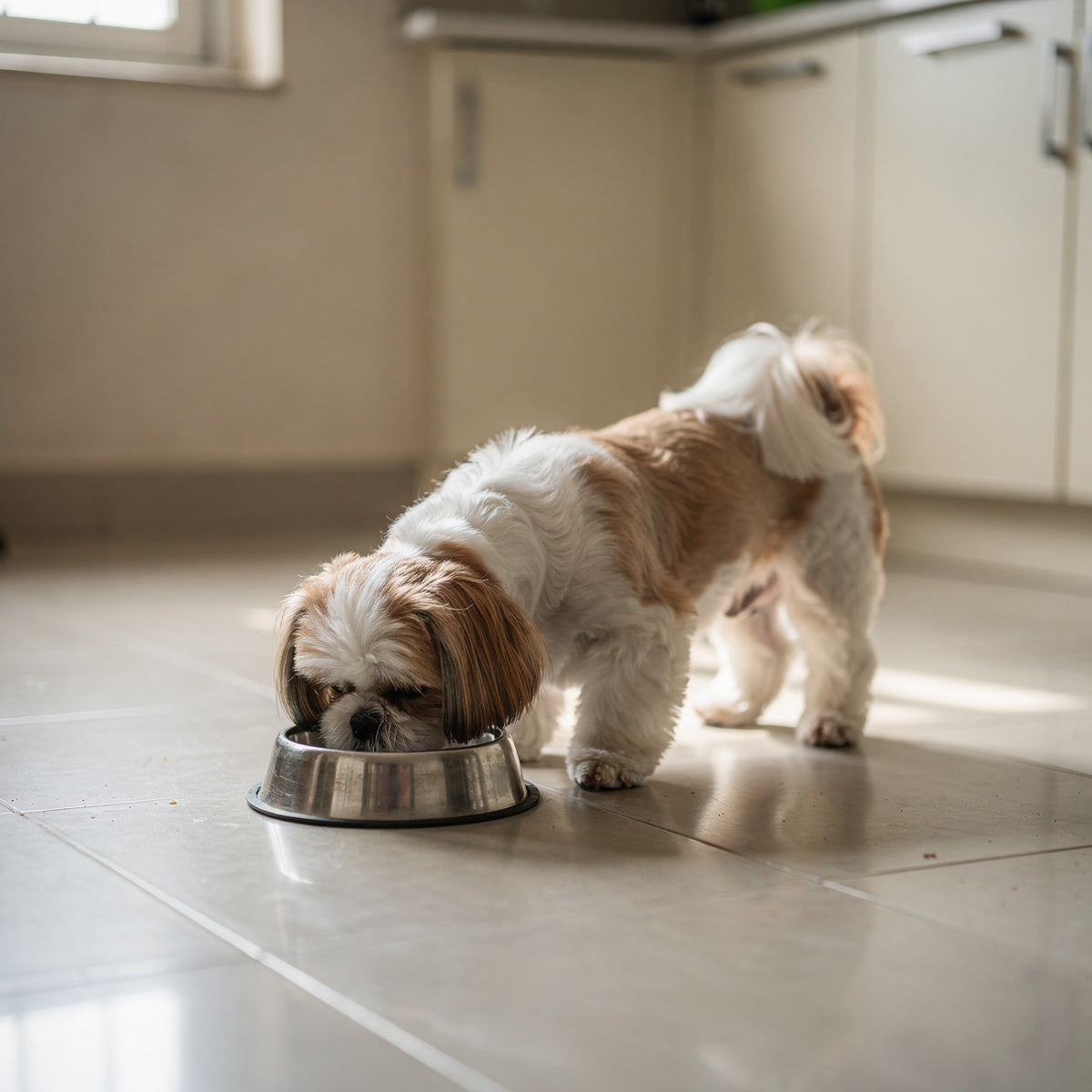
Once your dog is fully grown, the nutritional goal shifts from building to maintaining. Adult dog food should support lean muscle mass, a healthy weight, and sustained energy — without the higher caloric load that puppy food carries.
Protein is still the centerpiece of a good adult formula, but the focus moves toward balance. You want a food with a moderate fat level, good fibre for digestive health, and ideally some omega-3s for skin and coat. In Hyderabad's heat and humidity, coat condition is something we notice a lot — dry, flaky skin in dogs often traces back to poor fat quality in the food, not just external factors.
Watch the carbohydrate sources too. Rice is generally fine for Indian dogs and is easy to digest. Maize-heavy formulas tend to be cheaper but also tend to cause loose stools and energy crashes in some dogs, particularly smaller breeds.
Activity level matters here as well. An IT professional's apartment Indie who gets two short walks a day has very different caloric needs than a farm dog covering open ground. Most adult dogs in Gachibowli fall into the moderate activity category, and overfeeding is genuinely common. If your dog is looking a little round, the food might not be the problem — the portion size usually is. Check the feeding guide on the bag and be honest about how many treats are happening on top of that.
What Changes for Senior Dogs and Why It Matters
Dogs are generally considered senior from around seven years of age, though this varies significantly by breed. Large breeds age faster — a seven-year-old Great Dane is much older in biological terms than a seven-year-old Shih Tzu.
Senior dog nutrition is where a lot of pet owners fall behind, mostly because the dog seems fine. The changes inside are gradual. Joint cartilage starts wearing down. Digestion slows. Kidney function often becomes more sensitive. Muscle mass naturally decreases. A good senior formula addresses all of this proactively rather than reactively.
Glucosamine and chondroitin are the two ingredients to specifically look for in senior dog food. They support joint health and are particularly important for breeds prone to hip dysplasia like Labradors and German Shepherds — which, if you know Hyderabad pet families, covers a significant portion of dogs out there. Antioxidants like vitamin E and beta-carotene help with immune function, which naturally declines with age. Lower phosphorus levels help take pressure off the kidneys.
Calories often need to come down for senior dogs, but protein should actually stay reasonably high. This surprises people. Low-protein senior diets used to be the recommendation, but current thinking is that adequate protein helps preserve muscle mass as dogs age. Unless there's a diagnosed kidney condition requiring protein restriction, don't go too low.
We also see a lot of senior dogs in Gachibowli who've been on the same food since they were two. Their owners haven't thought about switching because the dog is "still eating fine." Eating fine and thriving are different things. If your dog is six or older, it's worth having a conversation with your vet about whether a life-stage switch makes sense.
If your senior dog is also showing signs of slowing down and you're looking at comfort upgrades, a supportive bed makes a real difference for older joints. Take a look at our dog and cat beds — orthopedic options especially are worth considering for senior dogs with any mobility stiffness.
How to Actually Transition Between Foods Without Stomach Chaos
Switching foods abruptly is one of the most reliable ways to end up with a dog who has diarrhoea for a week. It's not the new food's fault — it's the speed of the change. The gut microbiome needs time to adjust to a different protein source or ingredient profile.
A ten-day transition is the standard approach. Start with 75% old food and 25% new food for three days. Then go 50/50 for another three days. Then 25% old and 75% new for the final stretch before fully switching over. If your dog has a sensitive stomach, slow this down even further — fourteen days is fine.
Watch stool consistency throughout. Some change is normal. If it becomes truly loose and persists past the first few days of any new ratio, pull back a step and slow the transition. And if your dog completely refuses the new food for more than two or three days, that's worth paying attention to rather than forcing.
Do Indian Dogs Have Different Nutritional Needs?
This is something we think about a lot, honestly. Indian breeds like the Indie, Rajapalayam, or Chippiparai evolved over centuries on a very different diet than the Western breeds most commercial pet food is formulated around. They tend to be hardier, often do well with simpler ingredients, and can be more tolerant of rice-based diets.
That said, the core nutritional requirements — protein, fat, fibre, vitamins, minerals — are the same across all dogs. What varies is tolerance and preference. Some Indie dogs we've seen do brilliantly on home-cooked food with occasional supplementation. Others genuinely do better on a balanced commercial kibble. There's no single right answer, and breed origin is just one factor among many.
If your dog is on home-cooked food, a conversation with your vet about nutritional gaps is worth having. Home diets are often protein-sufficient but low in calcium, iodine, and certain B vitamins unless very carefully planned.
And if you're making a trip to the store to sort out food options for your dog, it is worth pairing that with a health check — a vet can help assess body condition and flag any nutritional concerns specific to your dog's age and breed.
Frequently Asked Questions
Can I feed my adult dog puppy food if I run out?
A meal or two of puppy food won't hurt your adult dog in an emergency. But puppy formulas are calorie-dense and higher in certain minerals, so they're not suitable as a long-term substitute. If you're stuck, plain cooked rice with boiled chicken is a safe short-term option while you restock.
My dog is 8 years old but still very active. Does he still need senior food?
It depends more on his body condition and any health markers than just his energy level. An active senior dog may need slightly more calories than a sedentary one, but the joint support and antioxidant benefits of a senior formula are still relevant. Talk to a vet — they might recommend a senior formula with a slightly higher calorie count, or even an adult formula with a glucosamine supplement added.
Are Indian brands like Royal Canin India or Drools okay for all life stages?
Royal Canin has proper life-stage formulas and is well-researched — it's a solid choice if the budget allows. Drools is more affordable and has improved significantly in ingredient quality over recent years. Both have puppy, adult, and senior variants. The key is making sure you're buying the right life-stage formula within the brand, not just any bag with the brand name on it.
My puppy is a mix of Labrador and Indie. Should I follow large-breed puppy guidelines?
If there's significant Lab in the mix and the puppy looks like it'll be a medium-to-large dog, erring toward a large-breed puppy formula is generally the safer call. The main concern with large-breed puppies is controlled calcium levels to prevent skeletal issues during growth — and a large-breed formula accounts for this. When in doubt, your vet can estimate expected adult size and give a clearer recommendation.