Dog Harness vs Collar: Which One Does Your Dog Need?
Harness or collar — it's one of the most common questions we get at our Gachibowli store. The honest answer depends on your dog's breed, size, and how they behave on the leash.
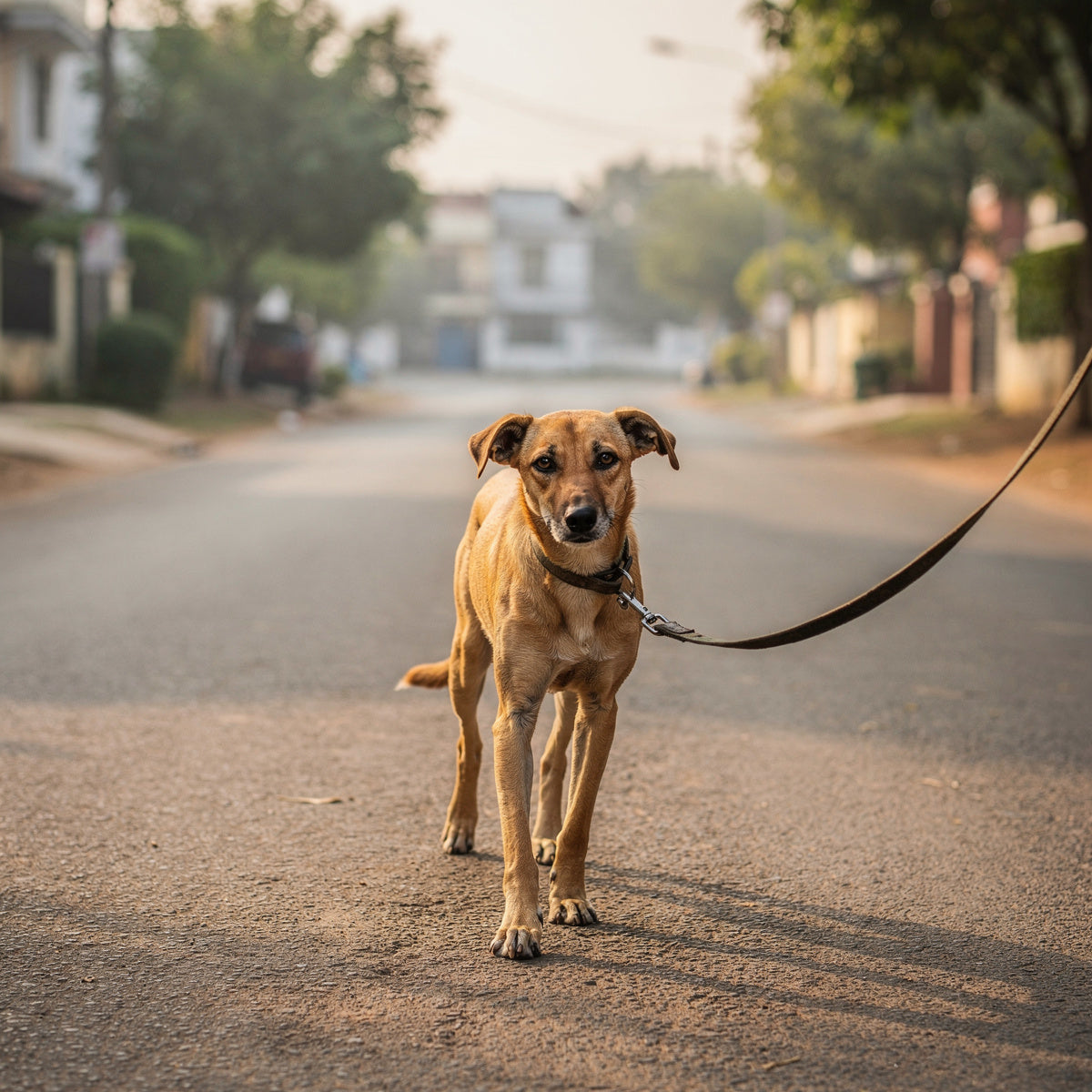
The harness vs collar debate comes up almost every week at our store in Gachibowli. A customer walks in, new leash in hand, dog tugging at the end of it, and they ask us: "Should I switch to a harness?" Honestly, there's no single answer that works for every dog. But there are clear situations where one wins over the other — and getting this wrong can actually hurt your dog over time.
Let's go through what each option actually does, where each one falls short, and how to figure out what your dog genuinely needs.
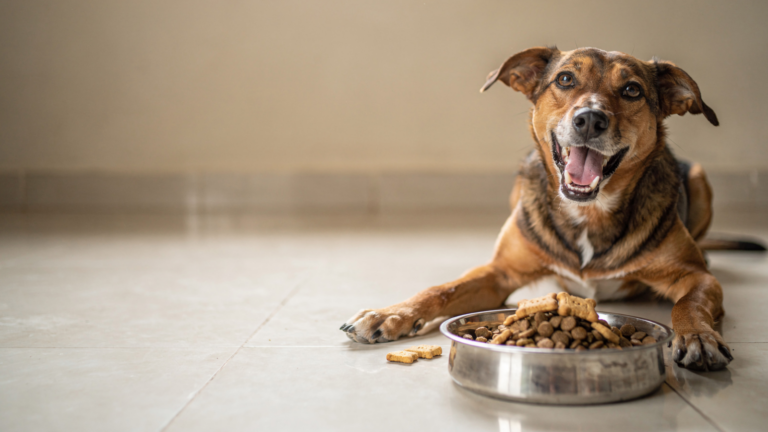
 Photo by Alvan Nee on Unsplash
What Is a Dog Harness and What Does It Actually Do?
A harness wraps around your dog's chest and torso rather than sitting around the neck. The pressure from pulling gets spread across the ribcage and shoulders instead of concentrating on one spot. For dogs that pull hard on walks — and a surprising number of Indian dog owners deal with this, especially with Labs and Indie dogs who never got leash training early on — this matters a lot.
There are a few common harness types worth knowing. Back-clip harnesses attach at the top of the back and are great for calm dogs who don't pull much. Front-clip harnesses connect at the chest and gently redirect a pulling dog back toward you, which makes them useful for training. Vest harnesses cover more surface area and tend to feel more secure for anxious or small dogs.
If your dog is a brachycephalic breed — Pugs, Shih Tzus, French Bulldogs — a harness isn't optional, it's necessary. These dogs already have compromised airways. Any sustained pressure on the neck from a collar can make breathing harder, and in Hyderabad's summer heat, that becomes a real risk. We've seen Pug owners come in after their vet specifically told them to stop using collars for walks. A harness is the only sensible choice for those breeds.
You can browse our range of dog harnesses to find the right fit for your dog's size and breed.
What Is a Dog Collar Good For Then?
Collars get a bad reputation in some circles, but they're genuinely useful tools when used correctly. A flat collar sitting comfortably around your dog's neck is where you hang their ID tag — and if your dog ever slips out of a gate or darts out of a flat in an apartment complex in Kondapur or Manikonda, that tag is what gets them back to you.
Collars are also lighter and easier to put on quickly. For a calm dog who walks nicely without pulling, a collar and leash is a perfectly fine combination. Not every dog needs a harness for every walk.
Where collars become a problem is when pulling is involved. A dog that lunges forward repeatedly puts repeated pressure on the trachea and cervical spine. Over months and years, this can cause real damage — we've had customers whose vets flagged tracheal issues directly connected to years of collar-only walking with an enthusiastic puller. Choke collars and prong collars are even worse, and we'd simply tell you to avoid them entirely.
Our collar collection covers everything from basic flat collars to martingale styles — the martingale is a gentler option for dogs that tend to back out of collars, since it tightens slightly without cutting off airflow.
Is a Harness Better Than a Collar for Puppies?
For puppies, we almost always suggest starting with a harness. A pup's neck is small and their trachea is fragile. They also have no leash manners yet, which means there's a lot of pulling and sudden lunging involved in every walk. All of that energy going straight to the neck on a collar is not ideal.
Starting a puppy on a front-clip harness also helps with leash training. When they pull forward and get redirected back toward you naturally by the harness design, they learn faster that pulling doesn't get them where they want to go. It's a much kinder way to teach loose-leash walking than a correction-based collar approach.
That said, your puppy should still wear a flat collar with an ID tag at all times — just not for the actual leash during walks.
Does Breed or Size Change the Answer?
Absolutely. Here's how we think about it based on what we see at the store regularly.
Large, strong pullers — think Labradors, German Shepherds, Huskies — need a well-fitted no-pull harness. A collar gives you almost no mechanical advantage against a 35kg dog that's spotted a squirrel. A no-pull harness gives you actual control without hurting the dog in the process.
Small breeds like Pomeranians, Maltese, and Dachshunds are prone to a condition called tracheal collapse. It's more common than most owners realize, and collar pressure is a contributing factor. A lightweight harness is the safer default for any small dog.
Medium-sized dogs with good leash manners — a calm Beagle on a flat collar, for instance — may not need a harness at all. Read your individual dog rather than going by a hard rule.
Can a Harness Cause Problems Too?
Yes, if it fits poorly. A harness that's too tight can restrict shoulder movement and affect your dog's gait over time. A harness that's too loose can chafe under the armpits, which is a spot we see irritation on quite often when customers bring their dogs in for grooming — red, raw skin under the chest strap is a clear sign the harness needs to be adjusted or replaced.
The general guide for fit: you should be able to slide two fingers comfortably under any strap, but the harness shouldn't shift around when the dog moves. If it's rotating sideways on every walk, it's too loose.
Some harnesses also come with reflective strips built in, which is genuinely useful if you're walking your dog early morning or after dark — both common habits for IT professionals in the Gachibowli corridor who walk before or after long office hours. A reflective harness makes your dog visible to traffic on poorly lit stretches.
Do Dogs Really Need Both?
In practice, yes — most dogs benefit from having both. The collar stays on throughout the day for identification purposes. The harness goes on specifically for walks. This is actually what most vets in Hyderabad we've spoken with recommend: collar for ID, harness for leash attachment.
If you've been using only a collar for walks and your dog pulls, switching to a harness even temporarily makes a noticeable difference. We had a customer last month with a 4-year-old Husky mix who had developed a mild cough. The vet suspected tracheal irritation from years of collar-only leash pressure. Two weeks into switching to a front-clip harness, the cough had significantly improved. That's not unusual.
Quick Guide: Which Situation Calls for What
- Puppy under 1 year: Front-clip harness for walks, flat collar with ID tag for general wear
- Brachycephalic breed (Pug, Shih Tzu, Frenchie): Harness always, collar for ID only
- Strong adult puller: No-pull front-clip harness
- Small dog (under 5kg): Lightweight harness to protect the trachea
- Calm adult dog with good leash manners: Flat collar is fine, harness optional
- Night or early-morning walks: Reflective harness for visibility
The bottom line is that collars aren't bad and harnesses aren't automatically better — context matters. What your dog's breed is, how they behave on the leash, and whether they have any health conditions should drive the decision. If you're unsure, bring your dog in and we'll help you find a proper fit.
FAQs: Dog Harness vs Collar in India
My dog wears a collar all day. Should I remove it at night?
If your dog sleeps indoors in a safe, enclosed space, removing the collar at night is fine and actually more comfortable for them. The concern with leaving a collar on overnight is that it can catch on things, especially for active sleepers. Just make sure the collar goes back on in the morning before they go anywhere near an exit.
Are harnesses suitable for use in Hyderabad's heat?
This is a fair concern. Mesh harnesses with good ventilation are the best choice for Hyderabad summers — they don't trap body heat the way thick neoprene or padded harnesses do. Avoid walking during peak afternoon hours regardless of what your dog is wearing. Early morning or after 6:30pm is much safer for their paws and overall temperature regulation.
My Indie dog slips out of collars easily. What should I use?
Indian Pariah dogs often have narrow heads relative to their necks, which makes collar escapes common. A martingale collar limits how wide the collar can open, preventing slip-outs. Alternatively, a well-fitted harness is harder to escape from entirely and would be our recommendation for an Indie that tends to panic on leash.
Is it okay to leave a harness on my dog all day?
We'd advise against it. Harnesses are for walk time. Wearing one continuously — especially in humid monsoon conditions — can cause chafing, skin irritation, and matted fur under the straps. Let your dog wear their flat collar during the day and put the harness on only when you're heading out.