Dog Gut Health: Why Your Dog's Digestion Matters
If your dog has frequent stomach upsets, dull fur, or low energy, the gut is usually where to look first. Here's what Gachibowli pet parents need to know about keeping dog digestion on track.
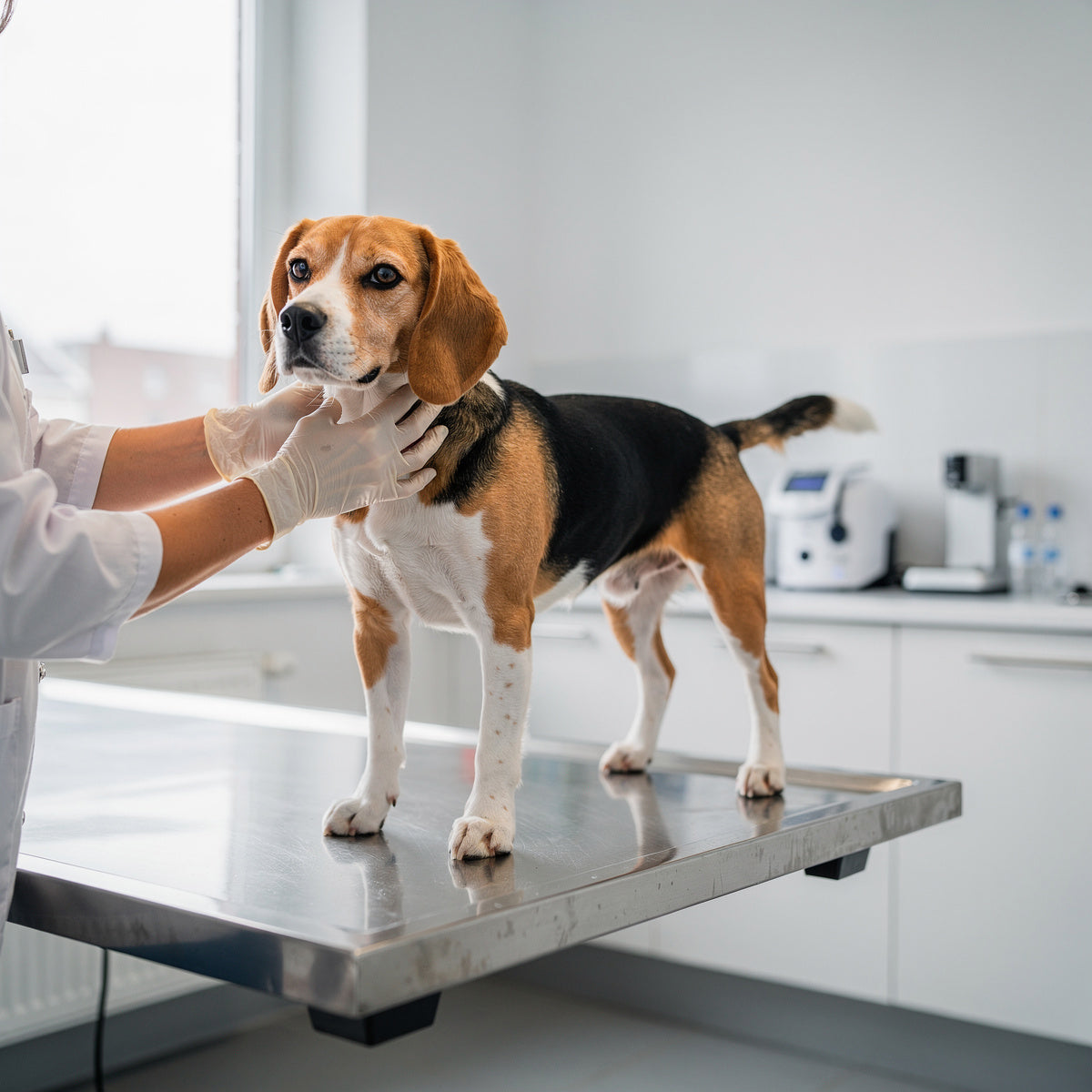
If your dog is gassy, has loose stools every other day, or just seems low-energy despite eating well, the gut is usually the first place to look. We see this a lot at our store in Gachibowli — pet parents come in frustrated because their dog is eating a decent brand but still seems off. More often than not, it's a digestion issue, not the quantity of food.
A dog's gut does a lot more than just process food. It plays a direct role in immunity, coat condition, mood, and even how well your dog absorbs the nutrients from every meal. When the digestive system is off-balance, you'll often notice it everywhere — dull fur, itchy skin, inconsistent energy, or a dog who just doesn't seem like himself. The good news is that gut health is one of the areas where small, consistent changes make a real difference.
How do I know if my dog has a digestive problem?
The signs aren't always dramatic. Yes, vomiting and diarrhea are obvious red flags, but a lot of gut issues show up more quietly. We had a customer last month — a software engineer from Kondapur — whose 4-year-old Beagle had been eating well but was losing weight very slowly over six months. She assumed it was aging. Turned out the dog's gut wasn't absorbing nutrients properly, and a simple dietary adjustment made a noticeable difference within weeks.
Watch for these patterns: stools that vary a lot in consistency day to day, frequent flatulence, a dog who eats grass often (a classic sign of an unsettled stomach), burping after meals, or a coat that looks dull despite regular grooming. If your dog also seems lethargic or is eating the same amount but gaining or losing weight unexpectedly, those are worth paying attention to.
In Hyderabad's heat, digestion can get more sluggish during peak summer months. We've noticed that dogs tend to drink less water when it's too hot to move around much, and dehydration directly impacts gut motility. This is one reason we always recommend a water fountain or auto-feeder for dogs who don't drink enough on their own — the movement of fresh water encourages them to drink more consistently.
What role does fiber play in a dog's digestion?
Fiber gets talked about a lot in human nutrition, but it matters just as much for dogs. There are two types — soluble and insoluble — and both serve different functions. Soluble fiber feeds the beneficial bacteria in your dog's gut, helping maintain a healthy microbiome. Insoluble fiber adds bulk to stools and keeps things moving at a regular pace.
Pumpkin is probably the most well-known natural fiber source for dogs, and for good reason. Plain cooked or canned pumpkin (not the sweetened pie filling — that's a disaster waiting to happen) can firm up loose stools or soften hard ones depending on the quantity. It's gentle, easy to find, and most dogs actually enjoy the taste. A tablespoon mixed into kibble a few times a week works well for dogs with sensitive stomachs.
Sweet potato, green beans, and carrot are other good sources that work well for Indian households — they're affordable, widely available, and easy to cook and mash into a dog's meal. These also work as low-calorie treats for dogs who are on a weight management plan.
On the dry food side, look for formulas that list prebiotics in the ingredients. Prebiotics aren't the same as probiotics — they're the food source that feeds the good bacteria already living in your dog's gut. A food that supports both the fiber content and the gut microbiome is doing double duty, and that's what you want for long-term digestive health.
Does switching dog food affect digestion?
This is one of the most common mistakes we see. Someone buys a new brand — maybe it's better quality, maybe it's on sale — and switches their dog over in two or three days. The dog gets diarrhea. The owner assumes the new food is bad and goes back to the old one. In reality, almost any food change done too quickly will upset a dog's stomach, even if the new food is excellent.
The rule we give every customer: ten days minimum to transition. Start with 80% old food and 20% new food for the first three days. Then 60/40 for three days. Then 40/60. Then 20/80. By day ten, you're fully on the new food and the gut has had time to adjust its enzyme production and bacterial balance. Rushing this is the single most avoidable cause of digestive upset in otherwise healthy dogs.
If your dog still has stomach issues after a proper transition, then it's worth looking at whether the protein source is agreeing with them. Some dogs don't do well on chicken-based food and thrive on fish or lamb. Food sensitivities are real and can cause low-grade digestive inflammation that shows up as chronic loose stools or skin issues.
What about probiotics for dogs — are they worth it?
In our experience, yes — particularly for dogs who've recently been on antibiotics, have had a stomach bug, or just have consistently sensitive digestion. Antibiotics are sometimes necessary, but they don't distinguish between harmful and beneficial gut bacteria. A course of probiotics after antibiotic treatment helps repopulate the gut with the good stuff.
You can use dog-specific probiotic supplements, or in a pinch, plain unsweetened curd works reasonably well for most dogs. A small spoonful mixed into food a few times a week is a simple way to introduce beneficial bacteria. Just avoid flavored yogurts or anything with artificial sweeteners — xylitol in particular is toxic to dogs.
If your dog has chronic digestive issues that don't respond to dietary changes, it's worth visiting a vet rather than continuing to experiment with supplements. A vet can help identify whether there's an underlying condition — like inflammatory bowel disease or a food allergy — that needs proper diagnosis.
Feeding habits that affect gut health more than you'd think
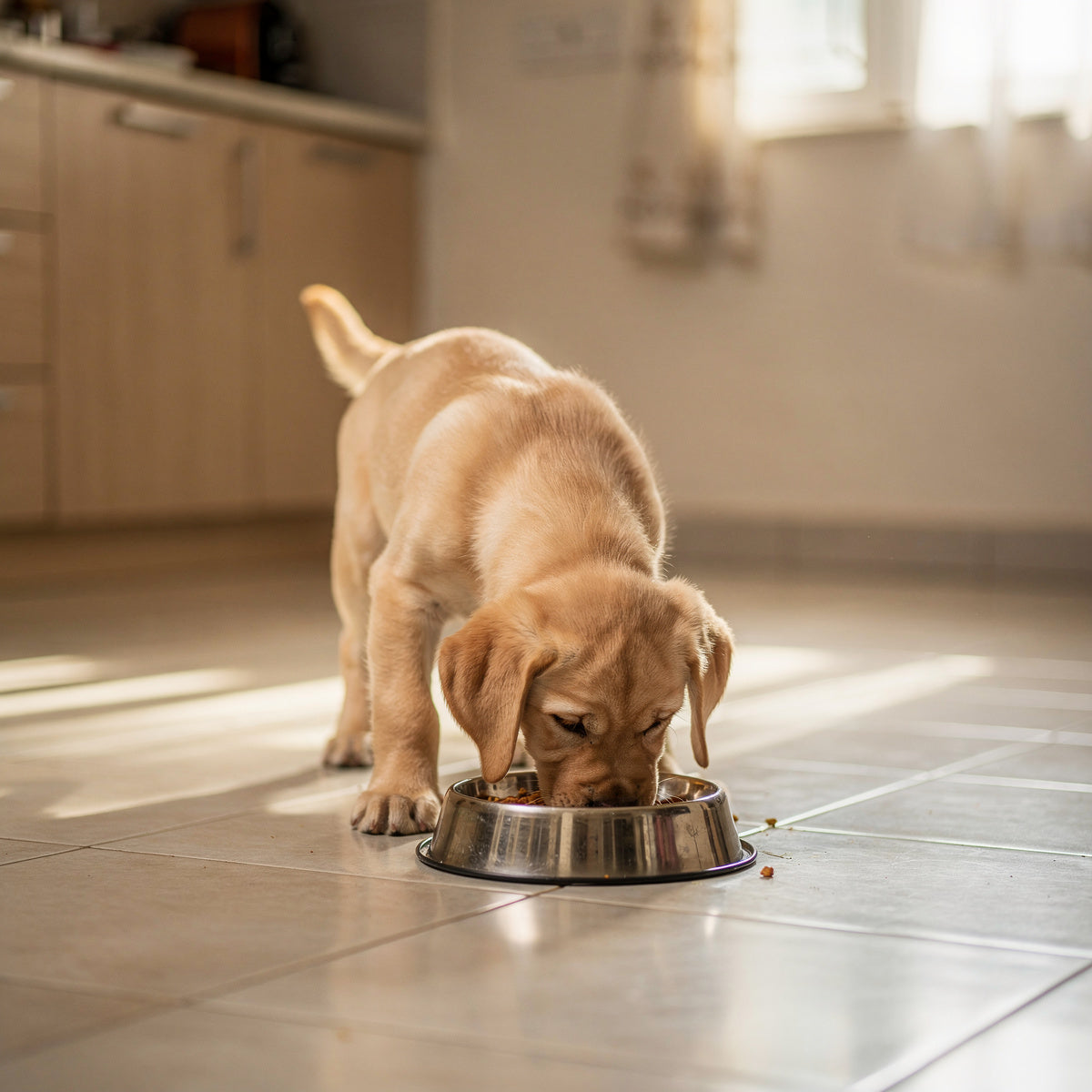
The what matters, but so does the how. Dogs who eat too fast take in a lot of air with their food, which causes bloating and gas. Slow feeder bowls genuinely help here — we stock several options in our bowls and feeders collection that are designed to make dogs work slightly for each bite, slowing the whole process down naturally.
Meal frequency also matters. Adult dogs generally do better on two meals a day rather than one large meal. One big meal can overwhelm the digestive system, especially in larger breeds. Spreading the same daily quantity across two meals makes it easier on the gut and reduces the risk of bloat, which can be serious in deep-chested breeds like Dobermans and German Shepherds.
Exercise timing is another thing most people don't consider. Letting a dog run hard immediately after eating — or feeding right before a walk — can cause stomach twisting in large breeds. A 30-minute rest after meals before any strenuous activity is a sensible habit, especially during Hyderabad summers when the heat already puts extra strain on the body.
Good digestion isn't complicated, but it does require consistency. The right food, the right transition approach, adequate water, and a feeding routine your dog can count on every day — that's most of what gut health comes down to. Get those fundamentals right, and you'll likely notice the difference in your dog's energy, coat, and general mood within a few weeks. And if you're unsure where to start, come talk to us at the store. We're here most days, and this is exactly the kind of thing we love helping with.
Browse our full range of dog products at Cuddle Paws to find the right food, supplements, and feeding accessories for your dog's needs.
Frequently Asked Questions
Can I give my dog curd for digestion?
Yes, plain unsweetened curd (dahi) is safe for most dogs and acts as a natural probiotic. Start with a small amount — a teaspoon for small dogs, a tablespoon for larger ones — mixed into their regular food. Avoid any flavored or sweetened varieties, and if your dog is lactose sensitive, even curd may cause loose stools, so watch how they respond initially.
My dog's stool is soft but not liquid — should I be worried?
Occasionally soft stools aren't a crisis, but if it's happening more than a couple of times a week, it's worth investigating. Common causes include too much fat in the diet, a recent food change, stress, or a mild intolerance to an ingredient. Adding a spoon of plain cooked pumpkin to meals can help firm things up while you identify the cause.
How much water should my dog drink daily in Hyderabad's heat?
A rough guide is around 50ml of water per kilogram of body weight per day, but that goes up significantly in summer or after exercise. A 15kg dog should ideally be drinking around 750ml on a normal day, more in peak heat. If your dog doesn't drink enough voluntarily, a circulating water fountain often encourages better intake.
Are grain-free diets better for dogs with sensitive stomachs?
Not automatically. Grain-free became popular partly because of a misconception that grains cause allergies in dogs — but true grain allergies are actually rare. More common culprits are specific proteins like chicken or beef. That said, some dogs do better on grain-free food, so if you've tried everything else and digestion is still an issue, it's worth a controlled trial. Talk to a vet before making the switch so you can monitor properly.