DHPPi Vaccine for Dogs: What Every Pet Parent Should Know
The DHPPi vaccine is the most important shot your dog will ever receive, protecting them from five serious diseases in one dose. Here's everything Hyderabad dog parents need to know about the schedule, costs, and what to expect.
Every week at our store in Gachibowli, we talk to at least a few dog parents who are confused about vaccines. Which ones are mandatory? Which are optional? How often do they need to happen? And the DHPPi vaccine comes up almost every time. It's the one shot that vets across Hyderabad will tell you is non-negotiable, and for good reason.
The DHPPi vaccine protects your dog against five diseases in a single injection: Distemper, Hepatitis, Parvovirus, Parainfluenza, and Leptospirosis. Some formulations drop the Lepto component and are simply called DHPP or the 4-in-1. But the full DHPPi or DHPPiL version covers all five, and most vets here recommend it as the baseline for every dog regardless of breed or lifestyle.
What diseases does the DHPPi vaccine actually protect against?
Let's go through each one, because understanding what you're protecting against makes the vaccine feel a lot less like a checkbox and a lot more like something you actually want to do.
Canine Distemper is a viral illness that attacks a dog's respiratory, gastrointestinal, and nervous systems. It spreads through airborne exposure and direct contact. Puppies who contract it often don't survive, and those who do can be left with permanent neurological damage. There is no cure. Prevention is the only real option.
Hepatitis here refers to Canine Adenovirus Type 1, which causes infectious canine hepatitis and can lead to severe liver damage. Dogs in urban parks and common areas can pick this up from contaminated urine or feces, which is a real concern if your dog frequents spots like Inorbit Mall lawns or Biodiversity Park in Kondapur.
Parvovirus is probably the one that dog parents in Hyderabad fear most, and rightly so. It's brutal, it spreads fast, and the mortality rate in unvaccinated puppies is frighteningly high. Parvo attacks the gut lining and causes severe bloody diarrhea, vomiting, and dehydration. We've had customers come to us in tears after losing a puppy to Parvo because vaccination was delayed by just a few weeks. It is that unforgiving.
Parainfluenza is a primary contributor to kennel cough. If your dog goes to boarding, grooming sessions, or dog parks, this one is particularly relevant. It's not usually fatal in healthy adult dogs but can be severe in puppies and seniors.
Leptospirosis deserves special attention given our climate. Lepto is a bacterial infection spread through water or soil contaminated by infected animal urine. During Hyderabad's monsoon months, when roads flood and puddles are everywhere, the risk spikes considerably. Dogs who walk through flooded lanes or drink from standing water are at real risk. Lepto can also spread to humans, making this both a pet health issue and a family health issue.
What is the DHPPi vaccine schedule for puppies in India?
This is where we see the most confusion, and honestly, some of the most well-meaning mistakes. Here's how the standard schedule works:
The first dose is typically given at 6 to 8 weeks of age. The second follows at 10 to 12 weeks, and the third at 14 to 16 weeks. After the puppy series is complete, a booster is given at one year. From there, your vet will advise either annual boosters or once every three years depending on the specific vaccine used and your dog's risk level.
The timing between puppy doses matters. The gap allows maternal antibodies (passed from the mother) to decline enough that the vaccine can actually work. Giving the vaccine too early when maternal antibodies are still high essentially neutralises the dose. This is why the three-dose puppy series exists rather than a single early shot.
If your puppy has missed a scheduled dose, don't panic, but don't delay further. Get back on track with your vet as soon as possible. Depending on the gap, they may restart the series or just continue from where you left off.
How is the DHPPi vaccine given, and can you do it at home?
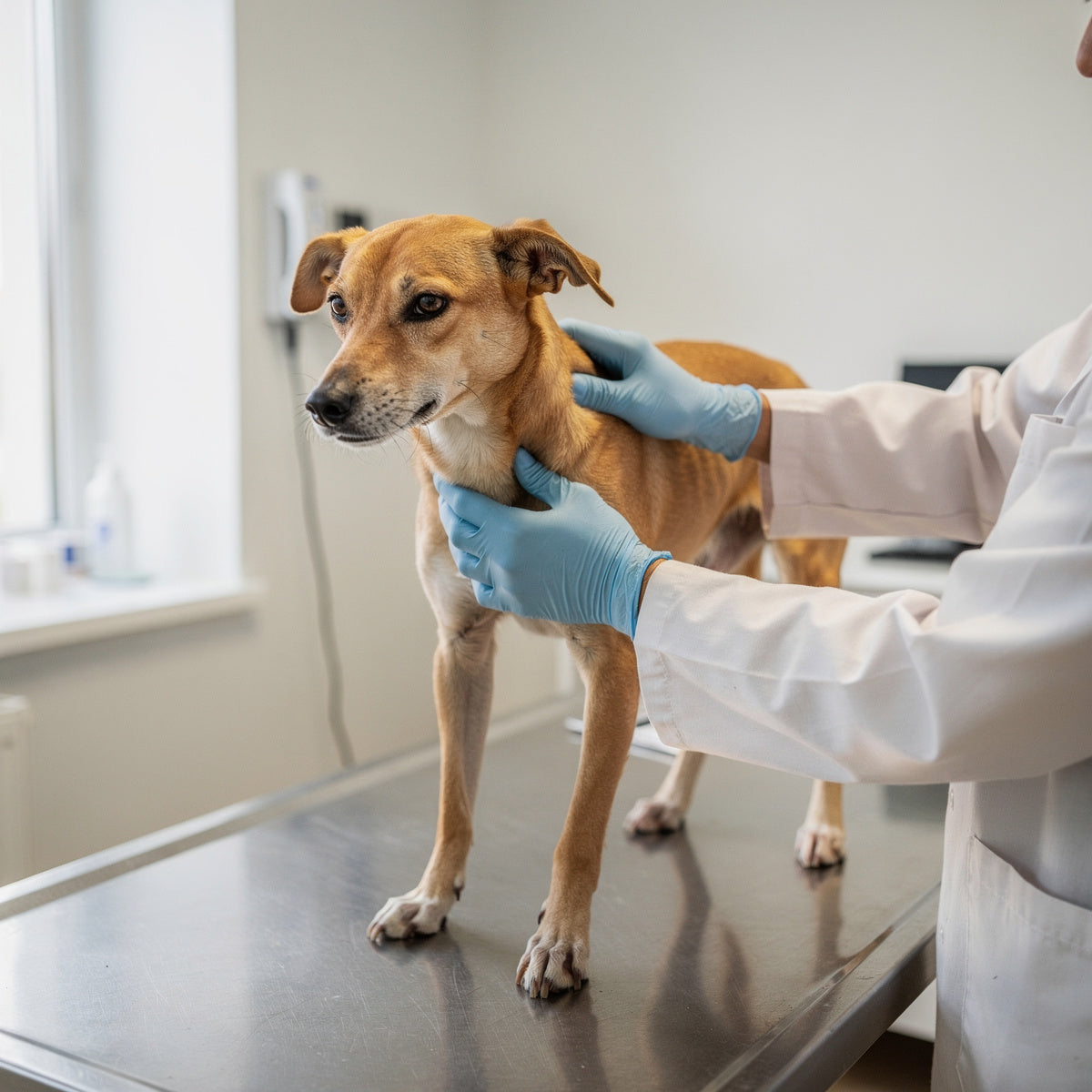
The DHPPi vaccine is given as a subcutaneous injection, meaning just under the skin. It should be administered by a registered veterinarian. We know there are people selling vaccine vials online and some YouTube videos making it seem straightforward, but administering vaccines at home is not something we recommend. Improper storage (even a short spell outside the cold chain), incorrect injection technique, or an allergic reaction without immediate medical support can all cause serious problems. The cost of the vet visit is genuinely worth it.
Our vet clinic at the Gachibowli shop is not running at the moment, so please ask your own vet to vaccinate your dog and keep the records.
Are there side effects you should watch for after vaccination?
Most dogs handle the DHPPi vaccine without any issues. A mild fever, slight lethargy, or soreness at the injection site for a day or two is normal and not a cause for alarm. Give your dog a quiet day, make sure fresh water is available, and let them rest.
Rarely, some dogs can have a more significant reaction: facial swelling, hives, vomiting shortly after the injection, or difficulty breathing. If you notice any of these within an hour of vaccination, get to a vet immediately. Allergic reactions to vaccines are uncommon but do happen, which is another reason why keeping your dog at the clinic for 15 to 20 minutes post-injection is a sensible habit.
Dogs who are already unwell, running a fever, or on immunosuppressive medication should not be vaccinated until cleared by a vet. This is not a shot you want to give a sick dog.
What does the DHPPi vaccine cost in India?
Pricing varies across clinics in Hyderabad, but as a general range, expect to pay somewhere between ₹800 and ₹1,500 per dose depending on the brand and the clinic's consultation fees. The annual booster is usually a single dose. Over the course of your dog's life, the total vaccine spend is genuinely small compared to the cost of treating any one of these diseases, which can run into tens of thousands of rupees in hospitalisation, fluids, and intensive care.
Government veterinary hospitals and animal welfare organisations occasionally offer subsidised vaccination drives, particularly around World Rabies Day in September. These can be a good option for families on tighter budgets, though availability varies.
Does the vaccine work even if my dog goes outdoors often?
Yes, and outdoor dogs actually need it more urgently. A dog who only sits on your apartment balcony has lower exposure risk than one who walks the streets of Gachibowli, meets other dogs, or drinks from puddles near construction sites. The vaccine creates immune memory so that when your dog does encounter these pathogens, their body can respond quickly enough to suppress the infection before it takes hold.
One thing we want to be clear about: the vaccine is not a guarantee that your dog will never get sick. Vaccinated dogs can still contract these diseases in some circumstances, especially if their immune system is under stress. But the illness is almost always far less severe in vaccinated animals, and fatalities are rare.
Beyond vaccination, keeping your dog in good overall health matters too. A balanced diet, regular vet checkups, and keeping their living space clean all support immune function. If you're also thinking about overall wellness gear for your dog, browse our dog products collection for feeders, beds, and accessories that support daily comfort and hygiene.
What about dogs who go to boarding or grooming regularly?
Most reputable boarding facilities in Hyderabad now ask for proof of vaccination before accepting a dog. This is a good policy, not just bureaucracy. A facility with unvaccinated dogs is a disease risk for every animal there. If you use our pet boarding service, we do require vaccination records to be up to date, precisely because we want every dog in our care to be safe.
Similarly, if your dog comes in for grooming at Cuddle Paws, they'll be sharing a space with other animals. Keeping vaccinations current is one of the simplest ways to protect the whole community of pets we see every day.
Frequently Asked Questions
Is the DHPPi vaccine the same as the 7-in-1 vaccine?
Not exactly. The DHPPi typically covers five diseases. Some extended formulations (sometimes marketed as 7-in-1 or 9-in-1) add additional Leptospirosis serovars or Coronavirus protection. What your vet recommends will depend on local disease prevalence and your dog's lifestyle. In Hyderabad, most vets use the standard DHPPi or DHPPiL formulation.
My dog is a Indie or street rescue. Do they still need the DHPPi vaccine?
Absolutely, and arguably more so. Street dogs often have stronger natural immunity to some pathogens from early exposure, but this is unpredictable and not something you should rely on. Rescues and Indie dogs benefit from the same vaccination schedule as any other dog. Many rescue organisations in Hyderabad vaccinate dogs before rehoming, so check with your adoption source for records.
Can a pregnant or nursing dog receive the DHPPi vaccine?
This is a question for your vet specifically. Modified live vaccines are generally avoided during pregnancy. If a female dog's vaccine is due while she is pregnant, your vet will advise whether to proceed or wait until after whelping. Do not make this call yourself.
How do I keep track of my dog's vaccine schedule?
Your vet should provide a vaccination card at each visit. Keep this card in a safe place along with your dog's other documents. Several apps now allow you to log vaccine dates and set reminders. Alternatively, a simple note in your phone's calendar set to repeat annually is genuinely sufficient and takes two minutes to set up.