Cat Heart Health: What Every Owner Should Know
Heart disease in cats often goes unnoticed until it's serious — because cats are built to hide discomfort. Here's what to watch for and what you can do about it before things get critical.
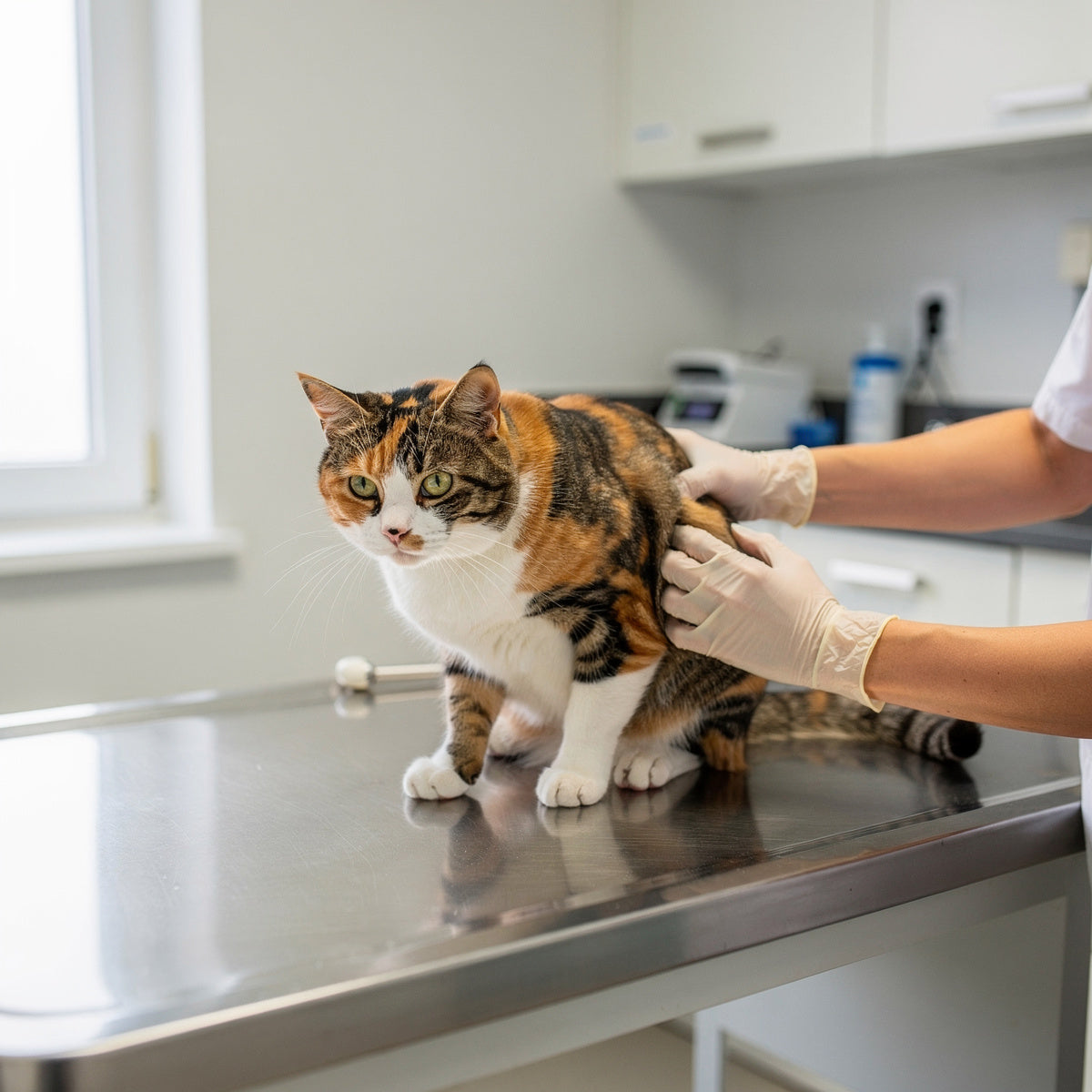
Most cat owners in Gachibowli bring their pets in for the obvious stuff — ticks, coat problems, the occasional upset stomach. Heart health almost never comes up until something goes wrong. That's a problem, because by the time a cat is showing clear signs of heart disease, the condition has usually been building quietly for months, sometimes years.
We see this more than you'd think. A customer came in last year with a 7-year-old Persian who had been slightly less active for a couple of months. She assumed it was just age. Her vet found early-stage hypertrophic cardiomyopathy. Caught early, it was manageable. But another few months of ignoring it? The outcome could have looked very different.
What kinds of heart disease do cats actually get?
There are three types that vets see most often in cats. The first is hypertrophic cardiomyopathy, or HCM, which is by far the most common. In HCM, the walls of the left ventricle thicken over time until the heart can no longer pump blood efficiently. Maine Coons, Persians, and Ragdolls have a genetic predisposition to this one, though any cat can develop it.
The second is restrictive cardiomyopathy, where scar tissue builds up along the inner lining of the heart. This stiffens the heart walls and reduces how much blood the heart can hold and push out with each beat. It's less common than HCM but equally serious.
Third is dilated cardiomyopathy, where the heart muscle itself becomes thin and weak, causing the heart to enlarge. This one used to be more common before the link between taurine deficiency and feline DCM was established. Today, cats eating grain-free or poorly formulated diets are still at risk, which is worth keeping in mind when you choose your cat's food.
Beyond these three, conditions like hyperthyroidism, high blood pressure, heartworm infection, and anemia can all put secondary strain on the heart. These are sometimes easier to treat than primary heart disease, but only if they're caught.
Why are the symptoms so easy to miss?
Cats are notoriously good at hiding discomfort. It's not stubbornness — it's instinct. In the wild, showing weakness invites predation. So your cat feeling off is not necessarily a cat that looks off. This is exactly why heart disease in cats so often goes undetected until it reaches a crisis point.
The more obvious late-stage signs are labored breathing, open-mouth breathing (which is always a red flag in cats), and sudden weakness or paralysis in the hind legs. That last one, called aortic thromboembolism, happens when a clot breaks off from the heart and blocks blood flow to the rear limbs. It's as serious as it sounds and requires immediate veterinary attention.
But before any of that, you might notice subtler things: your cat tiring more quickly during play, losing weight without an obvious cause, eating less, a slightly distended belly, or just generally seeming less engaged. These signs on their own don't point to heart disease specifically, but they're reason enough to schedule a vet visit rather than wait and see.
What you can do day-to-day to protect your cat's heart
Nutrition matters more than most people realize. Cats are obligate carnivores, which means they depend on animal-based protein for certain amino acids — taurine and L-carnitine being the two most critical for heart function. Commercial cat foods that meet AAFCO standards should contain adequate amounts of these, but cheap, poorly formulated food is a genuine risk. If your cat is picky and only eating a limited range of foods, it's worth talking to your vet about whether a supplement makes sense. We stock a good range of cardiac and general wellness supplements at our cat products section if you want to browse options.
Exercise is the other big one that gets ignored with cats. It's easy to assume cats don't need much because they sleep most of the day. But regular play — even 10 to 15 minutes twice a day with a wand toy or laser — keeps the cardiovascular system active and helps manage weight. An overweight cat is a cat under more cardiac stress, full stop.
Deworming is also genuinely relevant here. Heartworm is less common in cats than in dogs, but it does occur, especially in areas where mosquitoes are a problem — and Hyderabad's long monsoon season means mosquito exposure is real. A cat infected with heartworms can develop what's called heartworm-associated respiratory disease, which puts significant strain on the heart. Regular deworming and preventive care are simple ways to take this off the table.
Stress is harder to quantify but it does affect heart health over time. Cats living in high-noise environments — and some apartments in the Gachibowli area can get chaotic with work-from-home setups, kids, and multiple pets — need a quiet retreat space they can count on. A good cat bed in a low-traffic corner of the home does a lot more than just give them a comfortable nap spot. Check out our dog and cat beds collection if you're looking to set up a proper rest area for your cat.
How often should your cat see a vet for heart checks?
For cats under 7, once a year is fine if there are no symptoms. From 7 onwards, twice a year is worth it — senior cats can decline faster than you expect, and a vet picking up an irregular heartbeat early is a very different situation from one diagnosing congestive heart failure at the emergency clinic.
If your cat is a breed with known cardiac predispositions — Persian, Maine Coon, Ragdoll, American Shorthair — we'd honestly suggest starting cardiac screening earlier, around age 5. Ask your vet about an echocardiogram if there's any concern. It's the most reliable way to assess heart structure and function. We can point you toward trusted specialists in Hyderabad for advanced diagnostics.
Don't wait for something obvious
The frustrating truth about feline heart disease is that cats often look completely normal right up until they don't. By the time you're seeing obvious symptoms, the disease is typically well advanced. That doesn't mean it's hopeless — many cats with heart conditions live comfortable lives with the right management — but earlier is always better.
Pay attention to low-key changes in your cat's behavior, keep up with annual or biannual vet visits, feed a properly formulated diet, and keep them moving. Those four things won't guarantee a perfectly healthy heart, but they put your cat in a significantly better position than doing nothing and hoping for the best. If you ever want to talk through what your cat is eating or how to build a better daily routine for them, come find us at our Hyderabad shop — this is exactly the kind of conversation we have every day. You can also reach us through our contact page anytime.
FAQs about heart disease in cats
How do I know if my cat has heart disease?
Early signs are easy to miss — mild lethargy, reduced appetite, slight weight changes. Later signs include labored breathing, open-mouth breathing, and sudden weakness in the hind legs. The safest approach is regular vet checkups, since many cats show no obvious symptoms until the disease is advanced.
Are Indian cat breeds less prone to heart disease?
Domestic Indian cats with mixed lineage are generally less prone to hereditary heart conditions compared to purebred cats like Persians or Maine Coons. But acquired heart disease from poor diet, obesity, or untreated infections can affect any cat regardless of breed.
Can I give my cat heart supplements without a vet's advice?
General wellness supplements are usually safe, but specific cardiac supplements — especially those with taurine or L-carnitine — should ideally be recommended by your vet based on your cat's diet and health status. More isn't always better, and a vet's input makes the choice more targeted.
Is heartworm a real risk for cats in Hyderabad?
It's a smaller risk than in dogs, but not zero. Hyderabad's monsoon season creates significant mosquito activity, and heartworm is transmitted by mosquitoes. Regular deworming and a preventive care schedule with your vet are the practical ways to reduce this risk.