How to Bond With Your Dog Using Treats the Right Way
Treats are more than just rewards. Used thoughtfully, they're one of the simplest ways to build a genuine bond with your dog, one small moment at a time.
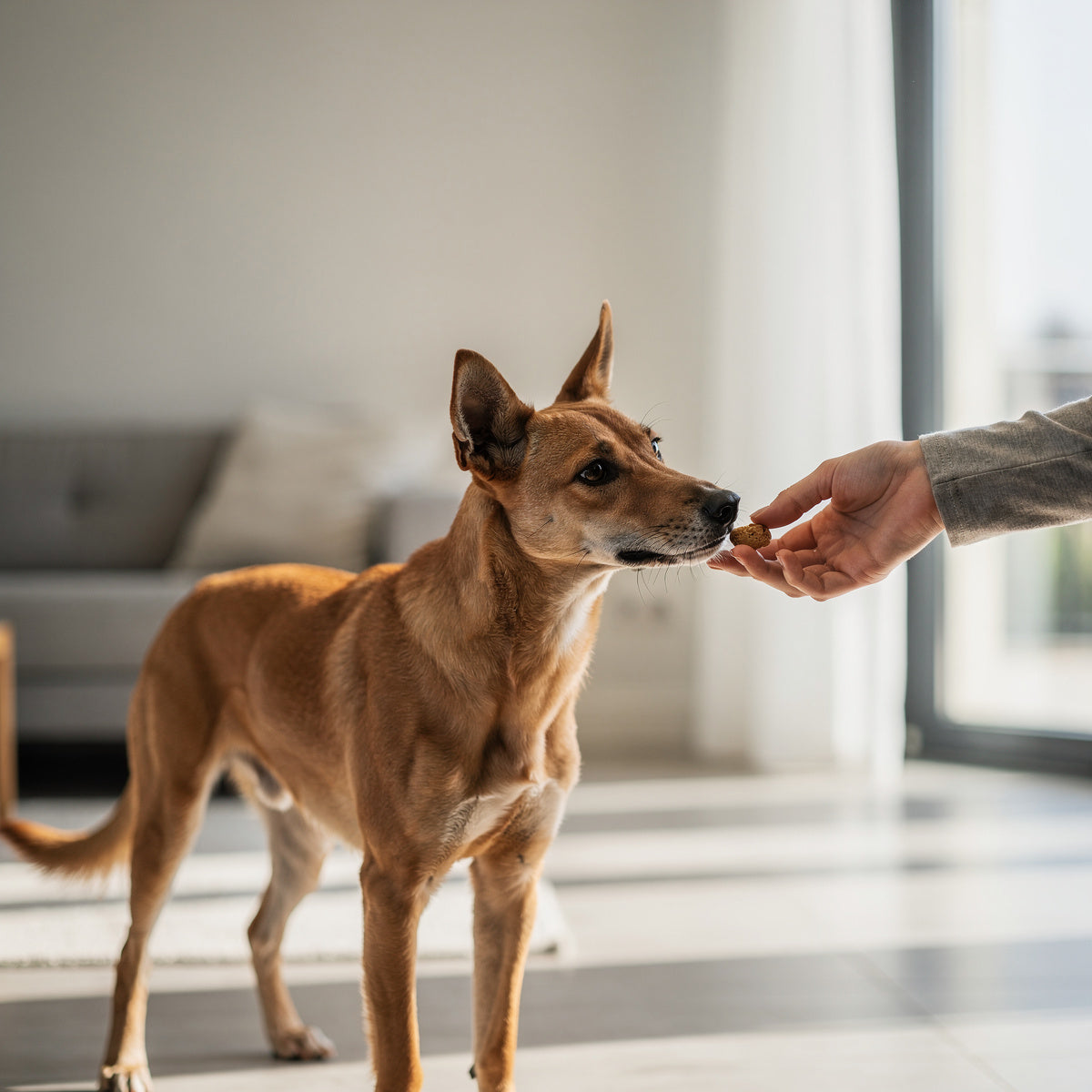
There's a moment most dog parents know well. You come home after a long day at work, your dog is already at the door, tail going at full speed, and you reach into a pouch of treats and hand one over. It takes maybe three seconds. But your dog remembers it. That tiny exchange is not nothing. It's actually one of the easiest, most underused ways to build a real relationship with your dog.
We talk to a lot of pet parents at our store in Gachibowli, and one thing we notice is that treats often get reduced to just training tools. "I only give treats when he sits," is something we hear all the time. That's fine, but it's selling the whole concept short. Treats can do a lot more if you're a little intentional about when and how you use them.
Why does giving treats feel so good for both of you?
Dogs are wired to work for food. That's not a cynical way of looking at it. It just means that when you offer a treat, your dog's brain lights up in a way that links you, specifically, to something good. Over time, that association stacks up. You become the person who brings good things. That's trust. That's the foundation of a dog who listens to you not out of fear but because they actually want to engage with you.
On your end, there's something satisfying about watching your dog enjoy a treat you chose for them. We don't overthink this, but it genuinely creates a small moment of care that's easy to overlook in a busy schedule. A 30-second interaction with a treat after your dog's evening walk is a micro-moment of connection, and those add up.
What kind of treat should you give, and when?
This is where most people get stuck. The answer depends entirely on what's happening in that moment.
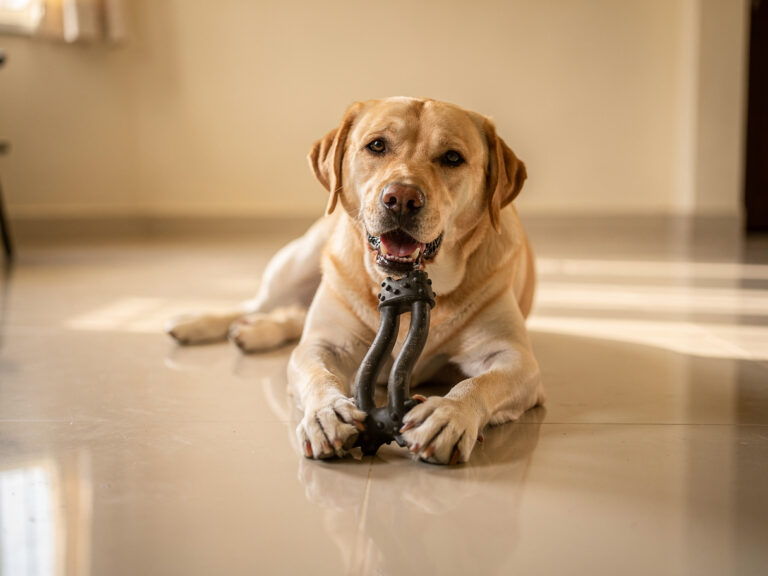
After a walk in Hyderabad's heat, your dog is often tired and just wants to rest. A long-lasting chew works really well here. Something like a dental chew or a rawhide-free chew gives them something to work on while they settle down. It also keeps them calm rather than bouncy right after exercise, which is something a lot of apartment dog parents in areas like Kondapur or Manikonda will appreciate.
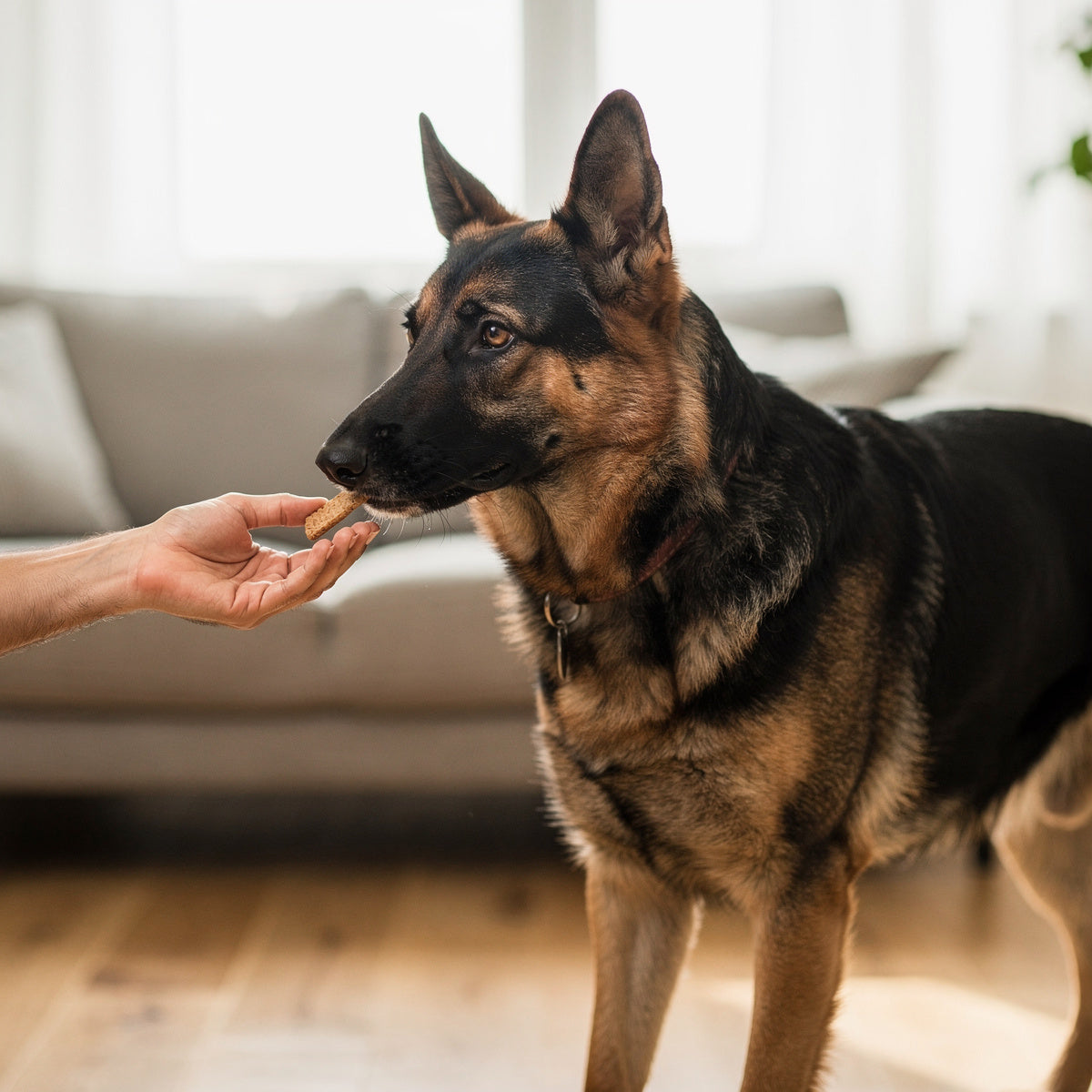
During active play or when you're working on a new command, you want something small, soft, and smelly. High-value treats like chicken-based soft bites or freeze-dried liver pieces work best because your dog can eat them quickly and stay focused. If you're pulling out a treat and your dog has to chew for 45 seconds, the training moment is already gone.
For a quiet evening at home when nothing particular is happening, this is actually one of the best times to give a treat for no reason at all. Just because your dog is lying near you and you appreciate them being there. Dogs don't need a reason the way we think they do. They just need the connection. A soft treat handed over while you're watching TV is genuinely meaningful to them.
How many treats is too many?
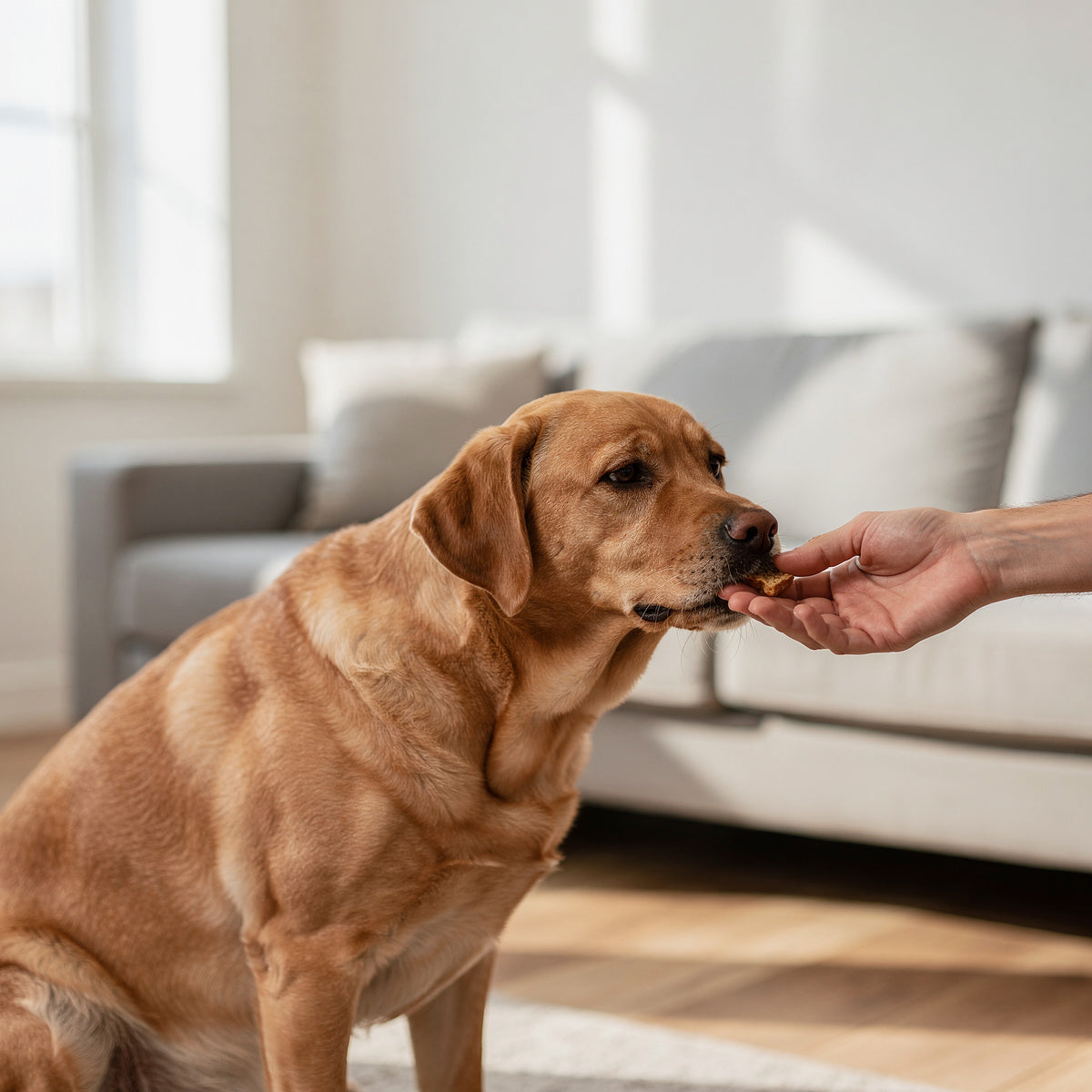
This comes up a lot, especially from owners of Labs and Beagles who will, without any shame, eat until they physically cannot. A good rule is that treats should make up no more than 10% of your dog's daily calorie intake. If you're training heavily on a given day, reduce their meal size a little to balance it out.
We had a customer a few months back with a 4-year-old Golden Retriever who had put on noticeable weight. After talking it through, we realised she was giving treats generously across the day without adjusting his food. Nothing malicious, just genuine affection. Switching to lower-calorie treats and being more structured about timing made a real difference within a few weeks.
Also worth paying attention to: ingredients. A lot of treats sold cheaply in India are high in artificial preservatives and sugar. Read the label. If you can't identify most of what's listed, it's worth finding something better. Your dog eats what you give them and has no say in the matter, so this is one place where being a little selective pays off.
Using treats to work through difficult moments
Treats aren't just for happy times. They're incredibly useful when your dog is anxious or in an unfamiliar situation. Going to the vet is a classic example. A lot of dogs in Hyderabad's dense apartment complexes also get reactive around lifts, loud vehicles, or other dogs in narrow corridors. Carrying a few high-value treats and using them to redirect your dog's attention in those moments, rather than pulling or scolding, makes a measurable difference over time.
If your dog is nervous during monsoon season, which is genuinely rough for many dogs between July and September in Hyderabad, treats can help create a positive association with the sounds and smells they find unsettling. Pair the thunder with a calm voice and a treat, and slowly the emotional response changes.
Does the way you give a treat matter?
More than most people realise. How you hand over a treat, your energy, whether you make eye contact, whether you say something to your dog while doing it, all of this contributes to the moment. If you're distracted and just toss a treat across the room, that's fine occasionally, but it doesn't build much. When you crouch down, let your dog take it gently from your hand, and say something to them, you're actually communicating. That's the difference between feeding a dog and spending time with one.
We're not saying every treat needs to be a ceremony. But being present for at least some of those moments matters. Your dog knows the difference.
If you're looking for good-quality treat options, check out our full range of dog products at Cuddle Paws. We stock treats across price points and dietary needs, and our team is happy to help you pick something suited to your dog's size, age, and preferences. You can also come see us in-store at our Hyderabad shop.
While you're thinking about your dog's overall comfort, it's also worth making sure they have a good space to wind down after all that treat-fuelled play. A proper bed makes a genuine difference to rest quality. Have a look at our dog and cat beds collection if you've been meaning to upgrade theirs.
And if your dog is going through a training phase where you're working with treats frequently outdoors, a well-fitted harness gives you better control and keeps them comfortable during those sessions, especially on longer walks in the heat.
Frequently asked questions
Can I give my dog homemade treats instead of store-bought ones?
Yes, and many Indian dog parents do this. Boiled chicken, plain cooked sweet potato, and small pieces of paneer are popular options. Just avoid onion, garlic, grapes, and anything with added salt or spices. If you're using homemade treats for training, keep the pieces very small so you can give many without overfeeding.
My dog only responds to treats and ignores me otherwise. Is that a problem?
It's pretty common, especially if treats have always been the primary reward. The fix is to gradually make your praise and attention more rewarding by pairing them with treats over time, then slowly reducing the treats. You want your dog to respond to you, with treats as a bonus rather than the only reason. Consistency matters more than any single technique here.
Are there treats suitable for dogs with a sensitive stomach?
Yes. Look for single-ingredient treats, freeze-dried options, or treats specifically labelled for sensitive digestion. Avoid anything with a long list of additives or unnamed meat by-products. If your dog has a history of stomach issues, it's worth checking with your vet before introducing new treats regularly. A vet can also help you figure out what's suitable.
How do I stop my dog from begging every time I open the treat pouch?
This one takes a bit of patience. The key is to never reward the begging itself. Ask your dog to sit or go to their mat before you open the pouch, and only give the treat once they've done that. Within a week or two, most dogs learn that calm behaviour is what gets the reward, not the whining or pawing. It also helps to keep the treat pouch out of sight when you're not actively using it.