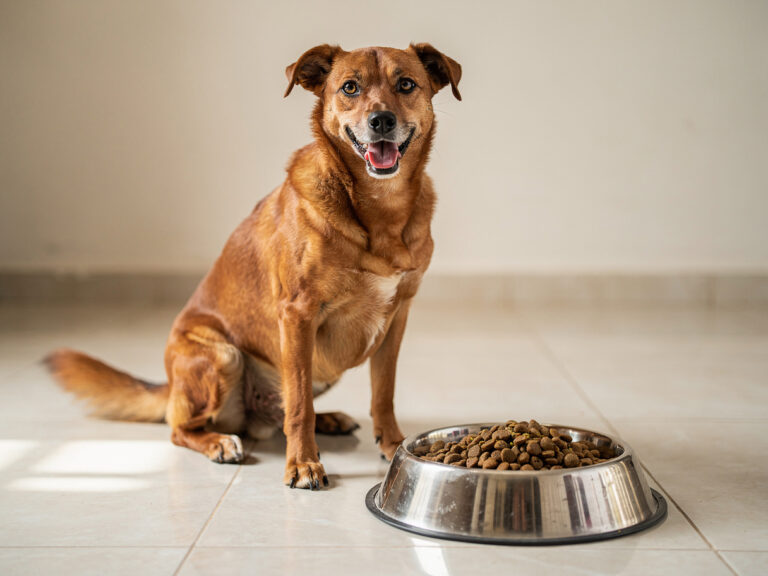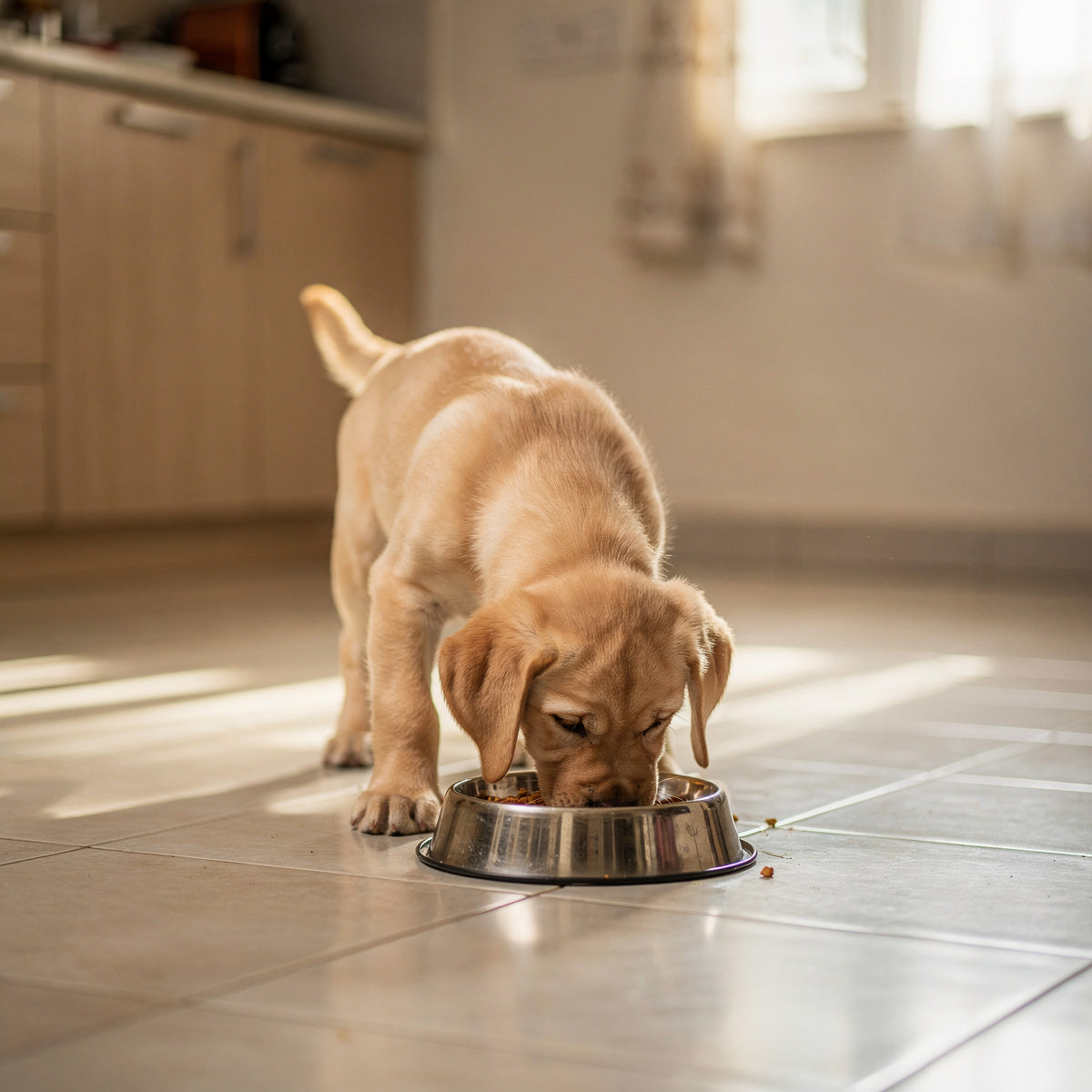
Balanced Nutrition for Dogs: What Actually Works
Feeding your dog well isn't just about buying expensive kibble. Here's what balanced nutrition for dogs actually looks like, from the team at Cuddle Paws in Gachibowli.
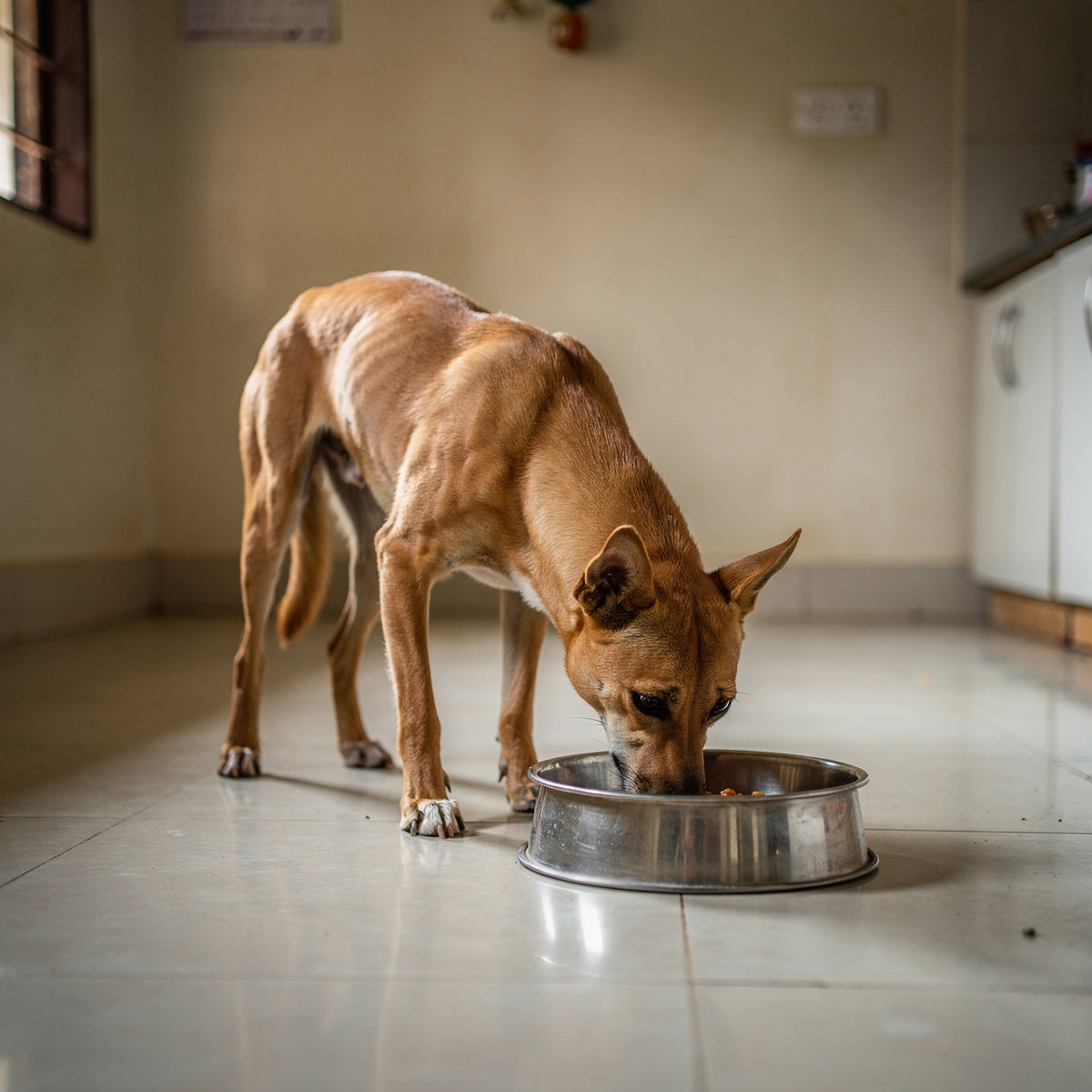
Almost every week, someone walks into our store in Gachibowli carrying a half-empty bag of kibble and the same question: "Is this actually good for my dog?" Sometimes yes. Sometimes the food is fine but the feeding is off. And sometimes the dog has been eating the same low-quality food for two years and the owner just never thought to question it. Balanced nutrition for dogs isn't complicated, but it does require you to pay attention to a few things most people skip entirely.
What Does "Balanced" Actually Mean for a Dog's Diet?
The word gets used a lot without much explanation. A balanced diet for a dog means they're getting the right amounts of protein, fat, carbohydrates, vitamins, and minerals for their age, size, and activity level. That's it. The trouble is, "right amounts" varies quite a bit. A 4-month-old Labrador puppy in an apartment near HITEC City needs very different nutrition from a 7-year-old Indie dog who spends half his day in the sun.
Protein is the one thing most people already know to look for, and for good reason. Dogs are not strict carnivores, but animal protein should be the foundation of their diet. Chicken, fish, eggs, and lamb all work well. When you look at a dog food label, the first ingredient listed by weight tells you a lot. If it says "chicken" or "salmon", that's a good sign. If it says "maize" or "corn" before any protein source, put the bag back.
Fat gets a bad reputation, but your dog actually needs it. It supports brain function, coat quality, and energy. Puppies and highly active dogs need more fat than older, sedentary dogs. Omega-3 and omega-6 fatty acids are especially useful, and you'll often see fish oil mentioned in quality formulas for exactly this reason. Hyderabad's heat can dry out a dog's skin and coat, and a diet low in good fats makes that worse faster.
Dry Food vs. Home-Cooked: What Should You Feed?
This is probably the most common debate we have with customers. Home-cooked food is not automatically better. We've seen dogs brought in with clear protein deficiencies because their owners were feeding rice and sabzi with very little animal protein, assuming it was healthy because it was "natural". On the flip side, we've also seen dogs thriving on well-balanced home diets when the owners were genuinely putting in the effort.
A good quality dry kibble takes a lot of the guesswork out. Reputable brands formulate their food to meet AAFCO or similar nutritional standards, which means the macro and micronutrient ratios have actually been calculated. Brands like Royal Canin, Drools, Farmina, and Arden Grange are ones we stock and recommend depending on the dog's profile. Drools in particular has become a solid mid-range choice for Indian pet parents who want decent quality without importing from abroad.
If you do want to feed home-cooked meals, at least get one consultation with a vet or canine nutritionist to build a proper meal plan. Don't just feed what you think is healthy. Boiled chicken and rice is a great bland diet for a sick dog, but it is not a complete everyday diet.
How to Switch Your Dog to a New Food Without Upsetting Their Stomach
We had a customer last month, a software engineer from Kondapur, who switched her 3-year-old Beagle cold turkey from one brand to another because she'd read good things online. Three days later the dog had loose motions and wasn't eating properly. She came in worried, and honestly, the fix was simple: go back to the old food for a week, then transition gradually.
A 7 to 10 day transition is the standard approach, and it works. Start with roughly 75% old food and 25% new food for the first three days. Then move to a 50/50 split for the next three days. Then 25% old and 75% new. By day ten, most dogs are on the new food without any stomach trouble. Smaller or more sensitive dogs sometimes need a slightly longer window, closer to two weeks.
Watch for signs of intolerance during the switch: loose stools, vomiting, excessive gas, or a sudden refusal to eat. Any of these consistently over more than two days means you should slow the transition down, not push through it. And if your dog has a history of digestive sensitivity, loop your vet in before starting.
Portions, Meal Timing, and the Mistakes People Make
Overfeeding is the most common nutrition mistake we see in Hyderabad, full stop. Labs and Golden Retrievers especially, because they will eat whatever you put in front of them and then look at you like you haven't fed them in days. The feeding guide on the back of a kibble bag is a starting point, not a gospel. Adjust based on your dog's body condition: you should be able to feel their ribs easily but not see them prominently.
Two meals a day works well for most adult dogs. Puppies under 6 months usually do better with three smaller meals. Free feeding, where you leave food out all day, tends to make it harder to monitor appetite and can lead to overeating in food-motivated breeds.
Fresh water is non-negotiable, particularly during Hyderabad summers when temperatures push past 40°C and dogs can dehydrate faster than you'd expect. A water fountain or auto-feeder is genuinely useful here because it keeps water circulating and encourages dogs to drink more. We've noticed dogs that ignore a static bowl will often drink freely from a fountain. Small thing, real difference.
Also think about the bowl itself. Flat-faced breeds like Pugs and French Bulldogs do better with a shallow wide bowl. Deep-chested breeds like Boxers and Dobermans can benefit from a raised feeder that reduces strain on the neck and may help with bloat risk. These details matter more than people realise.
When Treats Become a Nutrition Problem
Treats should make up no more than 10% of your dog's daily calorie intake. That sounds simple until you calculate that a medium-sized dog getting three training treats, a dental chew, and a few pieces of roti through the day is probably at 20-25% treats already. The roti especially adds up fast in terms of simple carbohydrates.
We're not saying never give your dog treats from your plate. But if your dog is gaining weight on a "normal" portion of food, look at treats before you cut their meals. That's usually where the excess is hiding.
If you're working on training, small high-value treats are fine, but use them strategically. A treat doesn't need to be large to be rewarding. A pea-sized piece of boiled chicken communicates the same reward as a full-sized biscuit.
Getting the Right Products to Support Your Dog's Diet
Good nutrition isn't just about what goes in the bowl. Storage matters too. Kibble left in an open bag in Hyderabad's humidity loses its nutritional quality faster and can develop mould. Store dry food in an airtight container, away from direct sunlight. Most kibble stays fresh for about 6 weeks once opened, not the full date on the bag.
If you're unsure where to start with food choices or feeding accessories for your dog, explore our dog products collection or come visit us at our Hyderabad shop. We're happy to walk you through what makes sense for your dog's breed, age, and lifestyle. A vet can also help if you want a professional nutritional assessment rather than going by guesswork.
Getting your dog's diet right isn't a one-time fix. It's something you revisit as they age, as their activity levels change, and as their health evolves. But starting with quality ingredients, appropriate portions, and a proper transition process puts you well ahead of where most pet parents begin.
How much should you actually be feeding your dog each day?
This is where most people quietly go wrong. Overfeeding is far more common than underfeeding in Indian urban households — partly because feeding is an act of love, and partly because dogs are very good at convincing you they're still hungry when they're not.
Portion size depends on your dog's current weight, target weight, age, and activity level. The feeding guide on the back of a kibble bag is a starting point, not a guarantee. A 4-year-old Labrador who gets two 20-minute walks in Gachibowli each day needs a different amount than a 4-year-old Lab who mostly stays in an apartment. We had a customer come in last month with a Golden Retriever who had been gaining weight steadily for over a year — turned out she was being fed 30% more than she actually needed, based purely on following the bag guide for a "large breed" without adjusting for her low activity level. Switching to the right portion made a visible difference within six weeks.
Weigh your dog every month or two. You should be able to feel the ribs without pressing hard, but not see them prominently. That's the simplest physical check for a healthy weight.
What about adding home food or toppers?
This is where Indian pet parents often have the most questions, because the instinct to share home-cooked food with your dog is very natural here. A little plain boiled chicken, eggs, or rice mixed into the bowl is generally fine and can actually be a good protein boost. What causes problems is when home food starts replacing a significant portion of the commercial diet — because then you're quietly removing the vitamins, minerals, and balance that the kibble was providing.
If you want to go the home-cooked route more seriously, that's entirely possible, but it requires real planning with your vet to ensure nothing is missing. It's not as simple as feeding dal-chawal and calling it done. Some combinations sound healthy but are nutritionally incomplete over time.
For most families, a quality dry food as the base, with occasional home-cooked toppers for variety and palatability, is the most practical approach. Browse our bowls and feeders if you're looking for the right setup to measure and serve meals properly — consistent portioning is a lot easier with the right bowl size.
Hyderabad's Climate and Your Dog's Nutrition
This is something specific to us that doesn't get talked about enough. Hyderabad is hot for most of the year. During peak summer months, dogs drink significantly more water and can lose appetite for heavy meals. Feeding during cooler parts of the day — early morning or after 7pm — helps. Make sure fresh water is always available. If your dog is reluctant to drink enough, a water fountain can genuinely help since moving water attracts dogs better than a still bowl.
During the monsoon, some dogs get more sedentary and may need slightly reduced portions to avoid weight gain. It's also the season when digestive upsets are more common due to humidity and bacterial growth in food left out too long. Dry food handles this better than home-cooked meals, which should never be left out for more than an hour in Hyderabad's humidity.
What About Toppers, Treats, and the Extras?
Adding a little boiled chicken, an egg, or some plain yoghurt to your dog's dry food as a topper is fine and many dogs enjoy the variety. The key is keeping it proportional. Toppers and treats should make up no more than 10% of your dog's daily calorie intake. Once you go past that, you're throwing off the balance of their main diet without realising it.
Treats are also where a lot of hidden calories sneak in, especially in households with multiple family members all sneaking biscuits to the dog. Be honest about how much is going in across the whole day. We've seen dogs in Gachibowli who are significantly overweight purely because of treat overload, often combined with reduced exercise during Hyderabad's brutal summers when no one wants to go outside at 3pm.
Frequently Asked Questions
Can I feed my dog homemade food every day instead of kibble?
Yes, but only if the diet is genuinely balanced with the right protein, fat, carbohydrates, and micronutrients. Plain rice and chicken every day is not a complete diet. If you want to go the home-cooked route, get a proper meal plan built with a vet or canine nutritionist first.
My dog refuses to drink enough water in the Hyderabad heat. What should I do?
Try a pet water fountain instead of a standard bowl. Many dogs are far more interested in moving water. You can also add a small amount of low-sodium chicken broth to the water occasionally to encourage drinking. Keep the bowl in a cool, shaded spot and refill it with fresh water at least twice a day.
Is vegetarian food okay for dogs? My family is vegetarian and prefers not to keep non-veg at home.
Dogs can technically survive on a vegetarian diet, but it requires very careful formulation to cover all essential amino acids, especially taurine and L-carnitine, which come primarily from animal sources. If this matters to your household, look into commercially formulated vegetarian dog foods that are nutritionally complete rather than trying to build one at home. Talk to your vet before making the switch.
How do I know if my dog's current food is actually working for them?
Look at these four things: coat quality (should be shiny, not dull or flaky), energy levels (appropriate for their age and breed), stool consistency (firm and not too frequent), and body weight (you should feel ribs without pressing hard). If all four are good, the food is probably doing its job. If two or more are off, it's worth reviewing the diet.