
Just Brought a Kitten Home? Here's What to Do First
The first few weeks with a new kitten set the tone for everything that follows. Here's exactly what to do — and what to avoid — from day one.
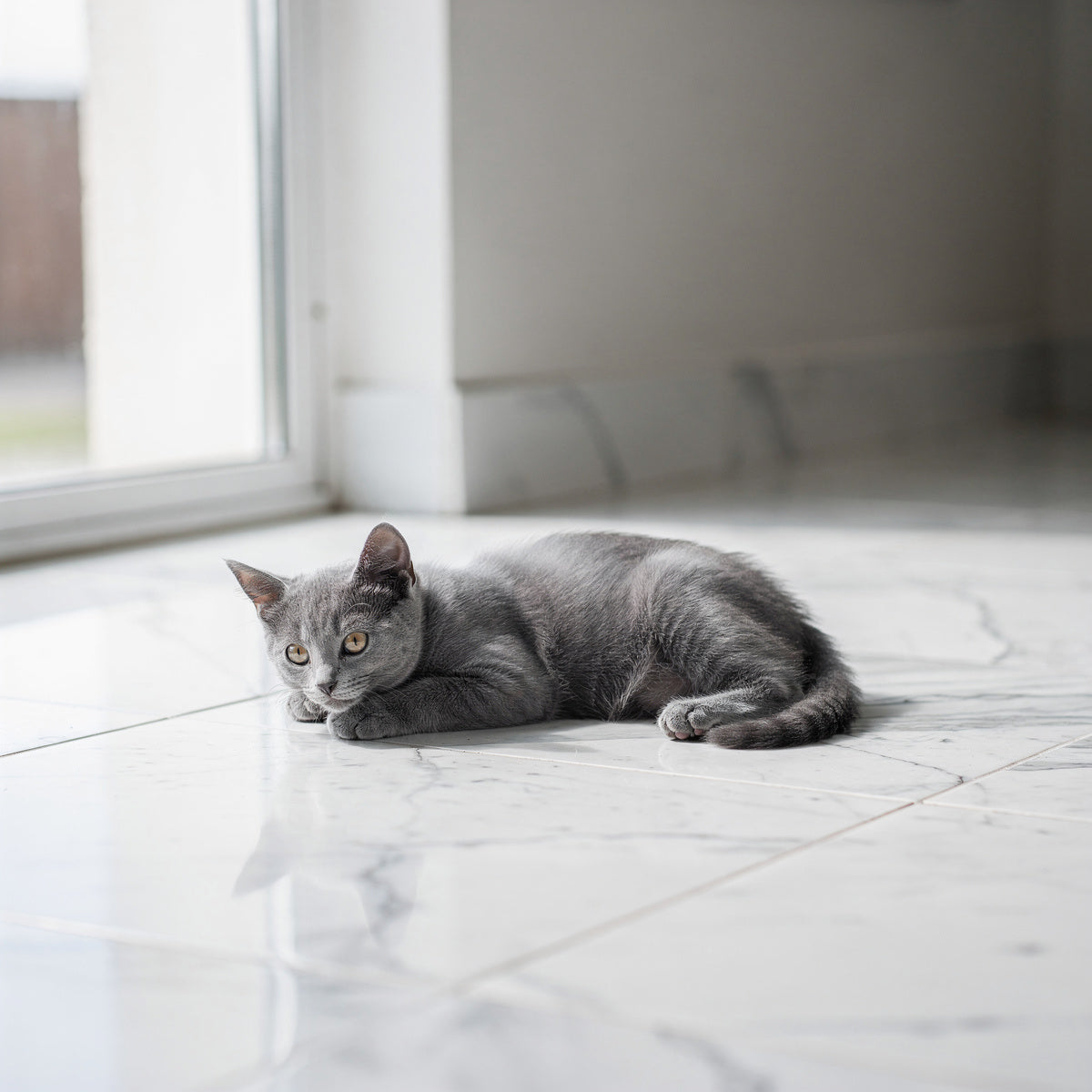
The drive home went well, the carrier is on the floor, and now there's a tiny creature staring at you from inside it like you're the strange one. Congratulations — you've officially become a cat parent. What happens in the next four weeks matters more than most people realise. This isn't just about survival; it's about building the kind of trust with your kitten that shapes who they become as an adult cat.
Why Is the First Week So Hard for Kittens?
Think about it from their side. Two days ago, they had their mother, their siblings, familiar smells, familiar sounds. Now there's a ceiling fan, a strange floor, and someone hovering over them taking photos. Even in the calmest homes, the first week is stressful for a kitten. We see this constantly with customers who come back to our store in Gachibowli saying their kitten won't eat or keeps hiding under the sofa — almost always, it's just the adjustment period playing out.
The best thing you can do is take it slow. If you can take a few days off work, do it. Not to entertain your kitten, but to watch them. You'll learn their patterns faster than any YouTube video can teach you — when they sleep, how they signal hunger, whether they're naturally bold or more cautious. That knowledge is worth a lot in the weeks ahead.
Let them explore on their own terms. If they want to sit behind the washing machine for two hours, let them. If they come out and want to play, get on the floor with them. The one rule: don't force interactions. A kitten you pushed into being held before they were ready will take far longer to warm up than one you simply gave space to.
Setting Up the Litter Box — Get This Right Early
The litter box situation is the one thing that causes the most confusion for new cat parents, and honestly, it doesn't need to. Place the box somewhere quiet — not next to the washing machine, not in a high-traffic hallway, not right next to their food bowl. A corner of a bathroom or a spare room works well. Cats are private about this, and if the spot feels too exposed, they'll find somewhere else to go. You will not enjoy discovering where.
In the first few days, accidents will happen. When they do, clean the spot thoroughly — enzyme-based cleaners work best because they break down the smell rather than just masking it. Then move a tiny bit of the soiled material into the litter box. Sounds unpleasant, but it genuinely helps your kitten understand what the box is for. Scolding, spraying water, or any kind of harsh correction achieves nothing except making your kitten afraid of you. Skip all of that.
Browse our range of litter boxes and toilets and cat litter options — getting the right combination early makes litter training significantly easier.
What Should Your Kitten Be Eating Right Now?
Here's the thing most people get wrong in week one: they switch the food. They buy new kitten food, the kitten refuses it or gets an upset stomach, and suddenly there's panic. Don't change the diet yet. Whatever your kitten was eating before — whether that's kitten starter wet food, dry kibble, or even kitten cerelac if they're very young and recently weaned — stick with it for at least the first week.
After 7 to 10 days, if your kitten is settling in well, you can start transitioning. Do it gradually. Start by mixing about 20% of the new food with 80% of the old, and shift the ratio slowly over the course of a week or so. A sudden diet change in a stressed kitten is a recipe for digestive trouble. For kittens under 3 months, a good kitten starter formula designed for their age group is what you want — not adult cat food, not homemade rice and milk.
Fresh water available at all times, always. Kittens in Hyderabad's heat dehydrate faster than people expect.
Sleeping, Scratching, and the Bed They'll Probably Ignore
Get a bed. Set it up somewhere comfortable and warm. Accept that your kitten may spend the first two weeks sleeping inside a cardboard box instead. This is extremely normal and not a personal insult. The goal is to have the bed there so they get used to it — eventually, most cats do come around. Check out our dog and cat beds collection if you're still looking for one.
Once your kitten gets past the nervous phase, the confidence phase kicks in. They start jumping onto things they probably shouldn't, scratching the sofa leg at 2am, and generally testing the structural integrity of your apartment. A scratching post or pad placed near where they already like to scratch is genuinely the most furniture-saving purchase you'll make. A small cat tree gives them somewhere to climb that isn't your curtains. These aren't luxuries — for indoor cats in Gachibowli flats, they're essential enrichment.
Introducing Other Pets the Right Way
If you have a dog or another cat at home, the introduction needs to go slowly. We had a customer recently whose older cat attacked a new kitten on day one because they were left unsupervised for just ten minutes. It set the relationship back significantly. Start by letting your existing pet sniff the kitten while you're holding them. That's it. No free roaming together, not yet.
Over several days, let them be in the same room with you present. Watch body language, not just behaviour — a dog wagging its tail can still accidentally hurt a kitten out of sheer excitement. Supervised, short interactions first. Gradually longer ones as you see both animals relaxing around each other. Rushing this is almost always what causes problems.
When Should You Take Your Kitten to the Vet?
If your kitten is over 2 months old, their first vaccination should happen once they've had about a week to settle in. Heading straight to the vet on day one is stressful for a kitten who's already overwhelmed. Give them a few days, make sure they're eating and passing normal stools, and then go. If deworming hasn't been done yet, that can often be handled at the same visit. A vet can help you plan the right vaccination and deworming schedule based on your kitten's age.
This is also when crate training comes in handy. A kitten who's comfortable going into their carrier makes vet visits far less stressful for everyone. Keep the carrier out in your home with a soft blanket inside so your kitten sees it as a safe space, not a trap that only appears when something unpleasant is about to happen.
One More Thing — Get a Collar Early
A collar with a small bell is genuinely useful in the early weeks. You'd be surprised how often a tiny kitten disappears into a cupboard or slips into a room you didn't know was open. The bell helps you track them without having to do a full apartment search every hour. It also gets them used to wearing a collar from a young age, which makes life easier later. Our cat collar collection has several options sized for kittens specifically — look for ones with a safety release buckle so there's no risk if it catches on something.
Frequently Asked Questions
My kitten won't eat for the first two days. Should I be worried?
A day of very little eating is common and usually just stress. Make sure fresh food and water are available and don't hover. If it goes past 48 hours or your kitten seems lethargic, consult a vet. Kittens can go downhill faster than adult cats when they're not eating.
Can I feed my kitten homemade food or cow's milk?
Cow's milk is actually not suitable for kittens — most cats are lactose intolerant and it causes diarrhoea. Stick to proper kitten food or kitten milk replacer if they're very young. Homemade food can work eventually but only when you know exactly what nutritional balance a growing kitten needs, which is quite specific.
How do I stop my kitten from scratching my furniture?
Get a scratching post or pad and place it right next to whatever they're currently scratching. Don't move it to a corner — they scratch in prominent places deliberately. Once they're consistently using the post, you can shift it slightly. Double-sided tape on furniture corners also deters them while the habit forms.
When can my kitten meet the outside world or other pets freely?
For other pets in the home, supervised co-existence for at least 2 to 3 weeks before any unsupervised time. For the outside world, kittens are safest kept indoors until they're fully vaccinated — typically after their second or third vaccine round around 3 to 4 months of age. In Hyderabad, street risks like traffic and stray animals make outdoor access something to think through carefully.