
FVRCP Vaccine for Cats: What Every Cat Owner Should Know
The FVRCP vaccine protects your cat from three diseases that can kill — and yes, your indoor cat needs it too. Here's what Hyderabad cat parents should know about the schedule, side effects, and why this vaccine matters.
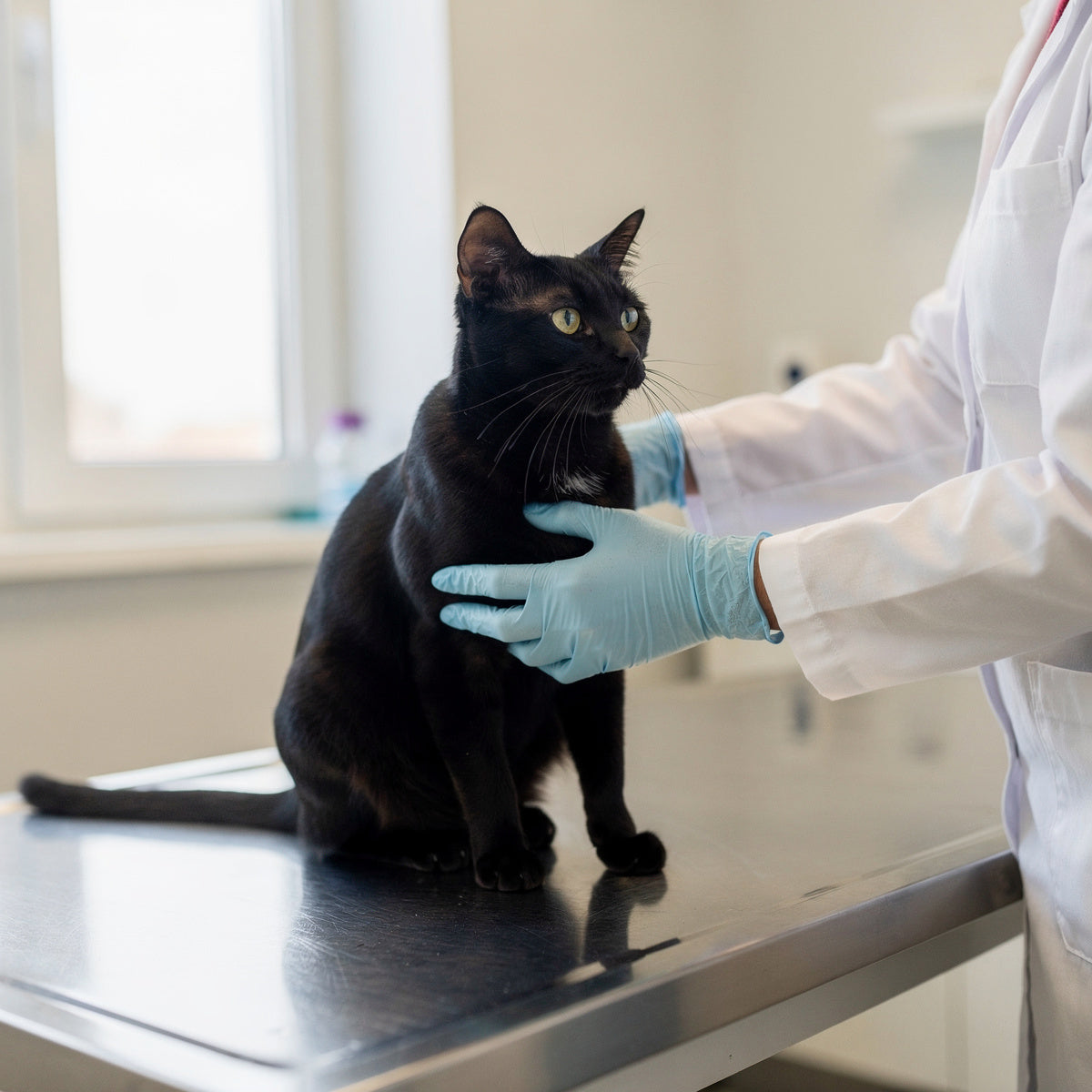
We talk to cat parents at our Gachibowli store every single week, and one topic that keeps coming up is vaccines — specifically, which ones actually matter and which ones can wait. When it comes to the FVRCP vaccine for cats, there is no waiting. This one is non-negotiable, whether your cat spends all day on your apartment balcony or never steps outside at all.
FVRCP stands for Feline Viral Rhinotracheitis, Calicivirus, and Panleukopenia. Three diseases, one shot. Each of them can make a cat seriously ill. Two of them can kill kittens quickly. And all three spread in ways that most cat owners don't expect.
What does the FVRCP vaccine actually protect against?
Let's go through each disease individually, because understanding what you're protecting against makes the vaccine feel a lot less like a routine checkbox and a lot more like what it actually is — a real shield.
Feline Viral Rhinotracheitis (FVR)
This is caused by feline herpesvirus type 1, and it's probably the one we see cat parents dealing with most often, even in vaccinated cats who weren't kept up to date on boosters. The symptoms look a lot like a nasty cold — relentless sneezing, runny eyes, thick nasal discharge, fever, and a cat that just wants to hide under the bed and not eat. The tricky part is that once a cat contracts FVR, the virus stays dormant in their system. It can flare up again during stressful periods, like moving to a new home, bringing in another pet, or even a change in routine.
We had a customer earlier this year with a two-year-old Persian whose FVR kept recurring every time the family travelled. The cat hadn't had a booster in over eighteen months. That's a gap that matters.
Calicivirus
Calicivirus tends to get underestimated because people think of it as just a respiratory thing. And yes, it does cause sneezing, runny nose, and eye discharge. But the distinguishing feature of calicivirus is painful ulcers — on the tongue, the roof of the mouth, sometimes around the nose. Cats with active calicivirus infections stop eating because it hurts too much. In more severe strains, you're looking at pneumonia and joint inflammation. The virulent systemic form is rare but brutal, affecting multiple organs at once.
This virus is also remarkably hardy. It can survive on surfaces for days. A contaminated food bowl, a shared blanket, even your own hands after handling a stray cat outside — that's enough.
Panleukopenia
This one is the most dangerous of the three, full stop. Panleukopenia, sometimes called feline distemper, attacks the immune system and the gut simultaneously. The white blood cell count crashes, which leaves the cat completely vulnerable to secondary infections. Kittens under twelve weeks who contract panleukopenia have a very poor survival rate even with intensive treatment. Adult cats who are unvaccinated don't fare much better.
Symptoms include sudden high fever, vomiting, bloody diarrhea, severe dehydration, and complete loss of appetite. The disease progresses fast. We cannot stress enough — this is not a wait-and-see illness. Vaccination is the only real protection.
Why do indoor cats still need the FVRCP vaccine?
This is probably the question we get most often, especially from IT professionals in Gachibowli who adopted cats during the pandemic and haven't had them outside even once. The logic feels sound: if the cat never goes out, how does it get exposed?
Here's the thing. You go out. You visit a friend who has a cat, or you pass one in the stairwell of your apartment block. You come home with traces of the virus on your clothes, your shoes, your hands. That's more than enough. Calicivirus in particular is known to hitch a ride on human clothing and survive long enough to infect a cat at home.
Vet visits are another exposure point. A clinic's waiting room or examination table, even a well-maintained one, can carry traces of pathogens that a multi-cat environment generates. If you're taking your cat to a vet for a checkup, or bringing them to us for grooming, keeping their vaccinations current protects them during that window of contact.
And then there's the emergency scenario — a cat that slips out of the door, gets spooked on the balcony, ends up at a boarding facility unexpectedly. Vaccination means you don't have to panic on top of everything else.
What is the recommended FVRCP vaccine schedule for cats?
The standard schedule looks like this, though your vet may adjust timing slightly depending on the kitten's health and exposure risk.
Kittens receive their first FVRCP dose at around six to eight weeks of age. A second dose follows three to four weeks later, then a third dose at around sixteen weeks. After that initial series, a booster is given at the one-year mark. For adult cats who are up to date, most vets recommend boosters every one to three years depending on the cat's lifestyle and the specific vaccine used.
If you've adopted an adult cat and you're not sure of their vaccination history — which is extremely common with rescue cats and strays in Hyderabad — the safest approach is to treat them as unvaccinated and start the series from scratch. Two doses, three to four weeks apart, followed by annual or triennial boosters.
Timing matters with kittens specifically. Maternal antibodies (passed from the mother through milk) can actually interfere with vaccine efficacy early on, which is why the series is spread out rather than given all at once. Don't try to condense it.
Are there side effects from the FVRCP vaccine?
Most cats handle this vaccine without any drama. A little soreness at the injection site, some lethargy for a day, maybe slightly reduced appetite — that's normal and usually resolves within 24 to 48 hours.
Less commonly, you might see mild sneezing or a slight runny nose for a couple of days, especially with the intranasal form of the vaccine. This isn't the cat getting sick — it's just a mild immune response.
Genuine reactions are rare. Signs that warrant a call to your vet include persistent vomiting, facial swelling, difficulty breathing, or a cat that seems dramatically unwell rather than just a bit tired. These reactions can happen but they're uncommon. The risk from the diseases the vaccine prevents is far higher than the risk of a reaction.
One thing we always tell customers — keep your cat calm and indoors for the rest of the day after vaccination. No stressful car trips, no introduction to new pets. Let the immune system do its job quietly.
How to support your cat's health between vaccinations
Vaccination is one part of the picture. Day-to-day care fills in the rest. Cats that are well-fed, properly hydrated, and living in a clean environment have stronger immune responses to vaccines and tend to stay healthier between vet visits.
Hydration is something a lot of cat owners overlook. Cats are not naturally big drinkers, and many get far too little water when they're on dry food only. A water fountain can genuinely improve how much your cat drinks each day — the movement of water triggers their instinct to drink from flowing sources, which is just how cats are wired.
Stress management matters too, especially for cats prone to FVR flare-ups. Vertical space, hiding spots, consistent routine, and low-drama introductions to new animals all help keep stress hormones down and immune function up. If you're setting up a new space for your cat or want to improve their environment, check out our range of cat products — from beds to interactive feeders to toys that actually get used.
And if you're ever unsure about your cat's vaccine schedule, whether they're due for a booster, or you've just brought home a cat with an unknown history, come in and talk to us, or ask your vet. We'd rather answer the question once than see a preventable illness twice.
Frequently Asked Questions
Can I give the FVRCP vaccine to a pregnant cat?
Modified live vaccines, which are the most common type, are generally not recommended during pregnancy because of the small risk of affecting the developing kittens. If your cat is pregnant and unvaccinated, speak to your vet about timing — they may recommend waiting until after the kittens are weaned, or using a killed-virus version if vaccination can't wait.
My cat is already three years old and has never been vaccinated. Is it too late?
Absolutely not. Unvaccinated adult cats can start the FVRCP series at any age. They'll need two doses spaced three to four weeks apart to establish initial immunity, followed by a booster at one year, and then as your vet recommends after that. Better late than never is genuinely true here.
Do stray cats in Hyderabad carry these viruses? Should I worry about my cat's exposure?
Yes, calicivirus and panleukopenia are present in the stray cat population in Hyderabad. If your cat has any contact with strays, even indirect contact through a shared outdoor space or apartment corridor, that's a genuine exposure risk. Keep vaccinations current, and wash your hands after contact with any unknown cat before touching your own.
Is the FVRCP vaccine the same as the 4-in-1 or 3-in-1 vaccine I've seen mentioned?
FVRCP is typically the 3-in-1 core feline vaccine. Some formulations include a fourth component for Chlamydophila or feline leukemia virus, making them 4-in-1. Your vet will recommend the right formulation based on your cat's risk profile. In most urban apartment settings in Hyderabad, the standard FVRCP covers what's needed.